For many families this month, the most meaningful gift hasn’t come wrapped in paper at all—it has paws. December’s surge of heart‑warming rescue stories, like those featured in Bored Panda’s “50 Most Wholesome Rescue Pet Photos of the Month (December Edition),” has quietly highlighted a fascinating pattern: when people adopt a vulnerable animal, they suddenly become meticulous about safety at home, in the yard—and crucially, in the car.
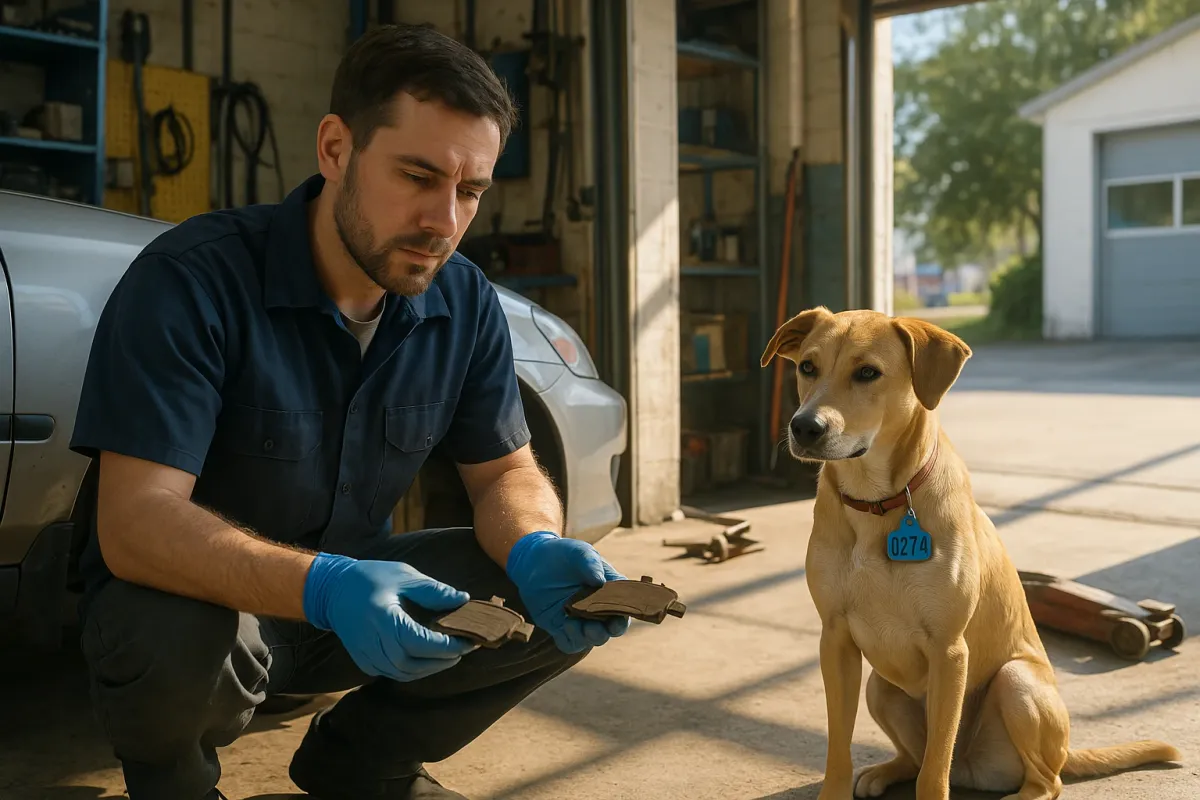
Shelters have reported a seasonal uptick in adoptions, with new owners reshaping their lives around the needs of a rescued dog or cat. Crates get strapped in properly, harnesses are upgraded, and vehicles are checked before the first drive home from the shelter. That same protective instinct should extend far beyond seat belts and carriers. If a fragile, easily startled rescue animal will be riding with you, your braking system is no longer just “maintenance”—it’s part of your duty of care.
Below are five refined, often‑overlooked brake‑care insights for drivers who treat every passenger—especially the four‑legged ones—as precious cargo.
1. Smooth Stops Are Engineered, Not Accidental
Scroll through this month’s rescue‑pet photos and you’ll see it in every image: animals learning to trust again. In a car, that trust is built on predictability. Jerky, inconsistent stops aren’t merely uncomfortable; they are a symptom of a braking system that isn’t working in harmony.
True smoothness is a product of matched components and correct installation. Pads and rotors should be paired by design, not by price or convenience—mixing premium ceramic pads with bargain rotors, for instance, can create subtle pulsing or uneven bite that you feel in the pedal and your passengers feel as lurches. A professional brake service will confirm rotor runout and thickness variation with precision measuring tools rather than relying on a quick visual glance. When those measurements are correct and the pad material is properly bedded‑in, deceleration feels almost velvety, allowing you to brake earlier and more progressively. For anxious rescue animals who flinch at every movement, that level of smoothness is not a luxury—it’s kindness engineered into the car itself.
2. Cabin Calm Starts at the Wheel Hubs
Many new pet owners, inspired by viral rescue stories, invest in plush beds and noise‑reducing crates for the drive home. Yet one of the greatest contributors to cabin calm may be the most neglected: the health of your wheel hubs and bearings.
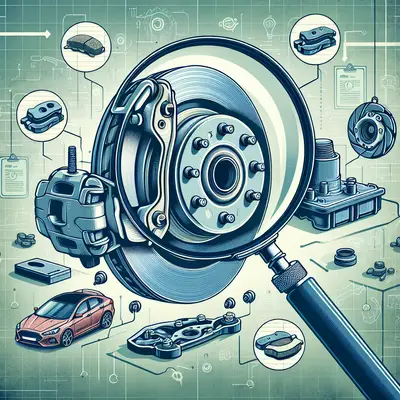
Worn hub assemblies can introduce vibration, humming, or a faint grind that grows with speed. These are not only safety concerns; they create a constant low‑frequency stressor for animals whose hearing is far more sensitive than ours. A refined brake inspection looks beyond pad thickness and rotor color to the subtle cues at each corner of the car: is there any play at the wheel when gently rocked? Does the sound profile change when cornering? Are there early signs of overheating or contamination near the hub? Addressing these issues not only protects braking performance under emergency loads, it transforms the interior into a quieter, more reassuring space—ideal for a pet who is still learning that car rides can lead somewhere better, not worse.
3. Emergency Braking with Living Cargo Demands Extra Margin
This month’s shelter updates are full of delicate firsts: first walk outside, first nap on a sofa, first peaceful car ride. The last scenario you want is a harsh emergency stop turning that fragile progress into new trauma. For drivers who now see every errand as a journey with cherished cargo, stopping distance is not an abstract specification; it’s an ethical concern.
Emergency stopping ability is determined long before you touch the pedal. Fluid age, pad compound, rotor condition, and even how recently your brakes were bled all factor into how your car behaves in a true panic stop. Over time, brake fluid absorbs moisture, lowering its boiling point. In a sudden, hard stop—especially on a long downhill drive with a full car—this can translate into a softer pedal, longer travel, or, in extreme cases, partial loss of braking effectiveness. Maintaining a disciplined fluid‑replacement interval and choosing high‑quality, OEM‑equivalent or better components ensures that when a child runs into the street or traffic stops unexpectedly, your car responds with crisp, immediate deceleration instead of spongy hesitation. For a rescue animal who may be unrestrained in a moment of oversight, those extra feet of stopping margin can be the difference between a scare and a catastrophe.
4. Winter Grime, Shelter Runs, and the Hidden Cost to Your Calipers
As rescue organizations amplify their December campaigns, many new pet owners are making frequent trips in less‑than‑ideal conditions—wet roads, salted highways, and gritty city streets. That mixture is particularly unkind to one of the most critical yet overlooked brake components: the caliper.
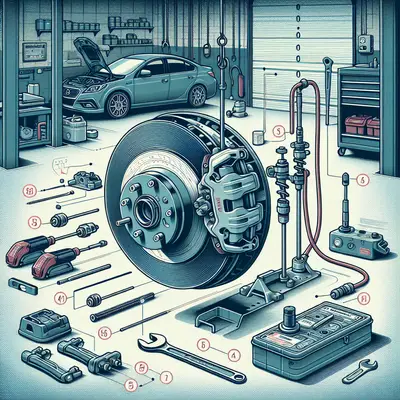
Salt and road grime migrate into caliper slide pins, seals, and brackets, gradually robbing the system of its ability to release cleanly. The result is subtle dragging: brakes that never fully relax their grip. You may not feel an obvious pull, but your fuel economy dips, your wheels run warmer, and pad wear becomes uneven. Over time, that same contamination leads to seized hardware and warped rotors. A premium maintenance routine includes seasonal caliper inspections, cleaning, and proper lubrication with high‑temperature, brake‑specific grease—not generic lubricants that swell rubber seals or break down under heat. For those weekly trips to the vet, training classes, or the shelter for a second adoption, that attention to detail keeps stopping distances consistent and repair bills predictable, rather than ballooning into full caliper replacements.
5. A Maintenance Mindset that Matches Your New Responsibility
The December rescue‑pet trend has revealed something profound: when we feel responsible for a vulnerable life, our standards rise without anyone asking. The same driver who once postponed tire rotations now schedules them proactively, knowing that bald tires and compromised brakes are a dangerous pair. That evolution in mindset is the quiet story beneath those feel‑good photos.
A sophisticated brake‑care strategy treats the system as an ecosystem, not a collection of wear items. Tires, suspension, alignment, and braking all work in concert; neglect in one area stresses the others. Rotating and properly inflating tires preserves the friction partnership they share with the brakes. Maintaining shocks and struts reduces nose‑dive, keeping braking forces more evenly distributed and ABS systems performing as designed. Even something as simple as regularly clearing wheel‑well debris prevents mud and stones from interfering with brake hoses or ABS sensor wiring. When you view your vehicle as a sanctuary for the newest member of your household, “good enough” becomes an unacceptable standard. Instead, you begin to favor documented service histories, quality parts, and workshops that measure and test rather than merely glance and guess.
Conclusion
This month’s wave of rescue stories is about more than adorable photos; it’s about how quickly our priorities reorder themselves when we become guardians. The journey from shelter kennel to living room sofa often runs through the back seat of your car—and every mile of that journey rests on your braking system’s integrity.
Treat your brakes with the same seriousness you bring to choosing a harness, crate, or veterinarian. Invest in smooth, predictable stopping, quiet wheel hubs, robust emergency capability, winter‑ready hardware, and a holistic maintenance mindset. In doing so, you’re not just preserving metal and rubber; you’re honoring the trust of the most vulnerable passenger you’ve ever invited into your life.
Key Takeaway
The most important thing to remember from this article is that this information can change how you think about Maintenance.