Relationships are not the only place where red flags appear too late. As people share viral stories of ignoring early warning signs in toxic partnerships, one truth translates seamlessly into the garage: the danger is rarely sudden; it’s cumulative, and it starts small. This week’s trending conversations about “relationship red flags” may seem worlds away from rotors and calipers, yet the psychology is strikingly similar—especially when it comes to trusting someone with your brakes.
On Brake Repair Basics, we believe your braking system deserves the same scrutiny you would give any long‑term commitment. Poor workmanship, corner‑cutting, and vague explanations are the emotional manipulation of the automotive world—except here, the cost is measured in stopping distance, not heartbreak.
Below are five meticulous, premium‑level insights to help you recognize the “red flags” in your brake maintenance before they turn into something truly dangerous.
1. When Explanations Get Vague, Your Risk Gets Specific
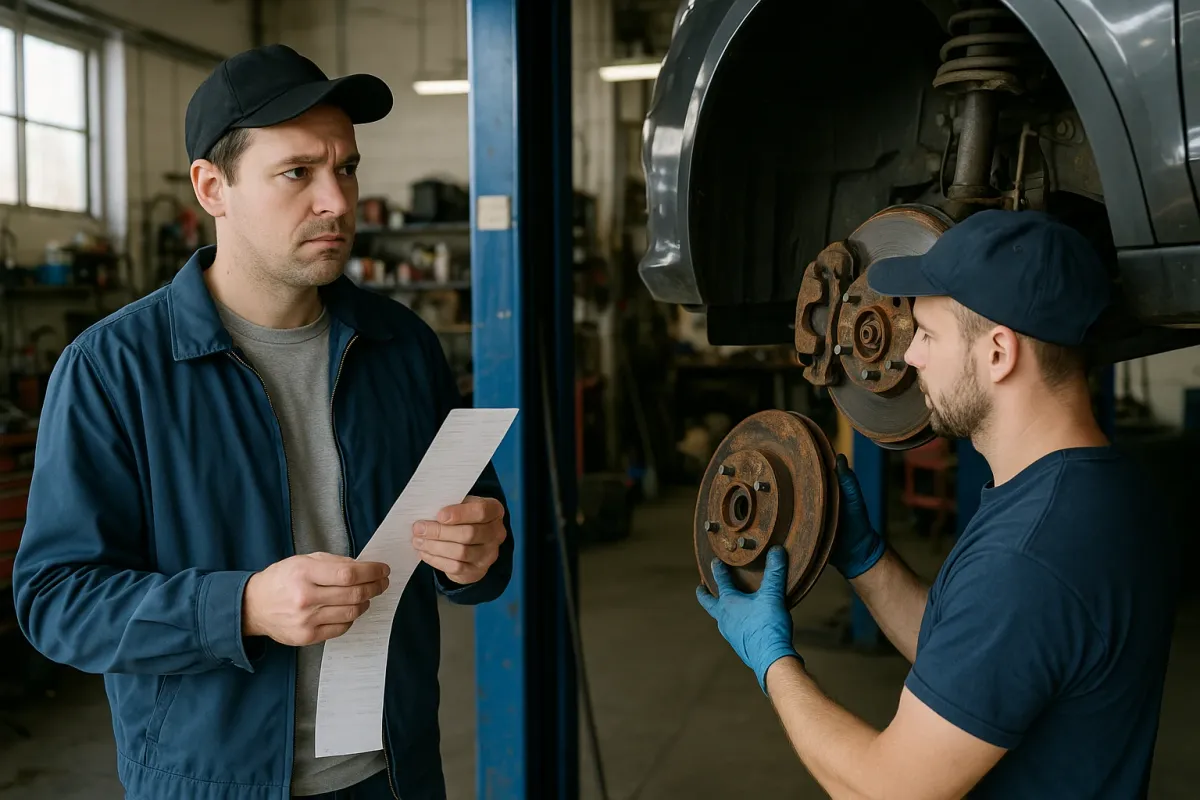
In today’s viral “red flag” threads, one theme keeps repeating: people stayed because they accepted vague, incomplete answers. The same pattern appears in substandard repair shops. If a service advisor can’t explain exactly what’s wrong with your braking system in clear, concrete terms, that’s your first mechanical red flag.
A refined brake consultation should include three elements: a precise description of the issue (e.g., “your front right rotor is below minimum thickness and heat‑checked”), a reference to measurable data (micrometer readings, pad thickness, rotor runout), and a rationale for each recommended repair—what is urgent, what is preventive, and what is optional. Anything less is not merely unprofessional; it’s unsafe. Insist on a visual inspection walk‑through, photos, or video of your actual components—not generic stock imagery. If a shop is reluctant to show you your own car, walk away before they ever touch a caliper bolt.
2. “Love Bombing” With Discounts? Watch the Fine Print on Parts and Labor
Many relationship red‑flag stories feature “love bombing”: intense early charm that conceals deeper problems. In the repair world, the equivalent is the suspiciously low “all‑in brake job” that promises premium performance at a bargain price. Genuine quality in braking components—ceramic pads from reputable brands, high‑carbon rotors, DOT‑rated brake fluid—comes with a baseline cost. When the quote seems dramatically lower than regional norms, something usually gives way: material quality, machining precision, or technician time.
A premium‑minded owner should ask three questions before approving work: Which brand and exact part number are you installing? Are the rotors being properly machined or replaced, and what minimum thickness spec are you using? How much labor time is allocated per axle? If the answers are evasive, or you’re told “they’re all the same,” assume you are paying for speed, not safety. High‑end shops are proud of their parts catalogs—and they are never offended when you ask for the details.
3. Gaslighting by Noise: “They All Sound Like That” Is Not an Answer
In this week’s viral conversations about gaslighting, many people describe being told their concerns were “in their head.” That same dynamic often plays out when drivers return to a shop after a brake service, reporting new squeaks, grinding, or vibration, only to be assured that “it’s normal” or “they all do that.” They don’t—and you shouldn’t accept that explanation.
After a proper brake repair, a short, light bedding‑in period may include a faint, temporary noise as pads and rotors mate. However, persistent squealing, pulsing in the pedal, steering wheel shake, or a soft, sinking pedal are all concrete indicators of something wrong: improper pad fitment, contaminated rotors, uneven lug‑nut torque, trapped air in the hydraulic system, or even a caliper that isn’t sliding freely. A sophisticated owner documents symptoms precisely: when the noise occurs (speed, brake pressure, direction), whether it’s front or rear, and whether it changes as the brakes warm up. Bring that information back immediately. If the shop still dismisses your concern without test‑driving the vehicle or reinspecting their work, that’s the red flag you don’t ignore.
4. Commitment Without Transparency: The Hidden Cost of “Lifetime” Brake Warranties
In personal relationships, commitment without accountability is meaningless. The same applies to the increasingly popular “lifetime brake pad” offers pushed by large chains and national brands. On social feeds, people are re‑examining what “commitment” really means; brake owners should do the same every time “lifetime” appears on a service quote.
A truly refined approach to brake care understands the lifecycle of every component: pads, rotors, hardware, fluid, and rubber lines all age differently. A lifetime pad warranty that ignores rotor condition, hardware replacement, and fluid health encourages a long‑term pattern of partial, reactive care—replacing pads again and again on compromised rotors, often without proper lubrication of slide pins or inspection of hoses and wheel bearings. Before you accept any such offer, request the full written terms, then ask: Does this include rotor replacement? Are hardware kits, wear sensors, and high‑temperature lubricants part of each service? Is fluid flush recommended at mileage or time intervals, or only when visibly degraded? In a premium maintenance philosophy, transparency outranks marketing slogans every time.
5. The Quietest Red Flag: No One Talks About Brake Fluid
In the flood of “red flag” stories, some of the most destructive behaviors were not the loudest—they were the quiet, cumulative patterns. In your braking system, that quiet danger is almost always the fluid. Pads squeal and rotors vibrate; brake fluid quietly absorbs moisture, corrodes internal components, and elongates stopping distances long before any warning light appears.
A truly expert brake inspection will include a conversation about fluid age and condition—not just pad percentage. Modern ABS and stability‑control systems rely on precise hydraulic performance. As fluid absorbs moisture over time, its boiling point drops, and that can mean a long, frightening pedal during a hard emergency stop on a hot day or mountain descent. A refined rule of thumb: consider a full flush every 2–3 years, or sooner in humid climates or with repeated heavy braking. Ask your shop how they test fluid—by chemical strip, digital boiling‑point tester, or visual guesswork. Only one of those approaches meets a premium standard of care.
Conclusion
The cultural spotlight on “red flags” in relationships this week is a timely reminder: ignoring early warning signs rarely ends well, whether with people or with brakes. A sophisticated driver does not simply look for the lowest quote or the quickest appointment; they cultivate a long‑term, transparent partnership with a shop that welcomes questions, explains measurements, and treats every component in the braking system with respect.
Your brakes are the last line between routine and catastrophe. Treat each inspection, each repair decision, as seriously as any major commitment in your life. The more attuned you become to the subtle warning signs—vague answers, too‑good‑to‑be‑true pricing, dismissed concerns, empty “lifetime” promises, and neglected fluid—the more confidently you can insist on the standard you and your passengers deserve: precise, predictable, and impeccably maintained stopping power.
Key Takeaway
The most important thing to remember from this article is that this information can change how you think about Repair Guides.