For the discerning driver, brakes are not merely a safety feature—they are the quiet guardians of every decisive moment behind the wheel. When repair time arrives, most drivers focus only on cost and convenience. Yet the truly safety‑minded owner approaches brake repair as a precision exercise, where small decisions create outsized differences in performance, longevity, and peace of mind. This guide offers a more elevated perspective: five exclusive insights that transform brake repair from a basic service into a carefully managed safety investment.
Seeing Beyond the Pad: How to Insist on a Complete Brake Evaluation
Many repair visits are framed around a single concern—“I need new pads” or “my brakes are squealing.” A premium approach refuses to treat brakes as isolated parts and instead demands a system-level evaluation.
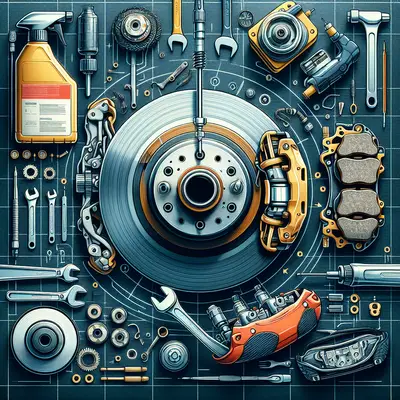
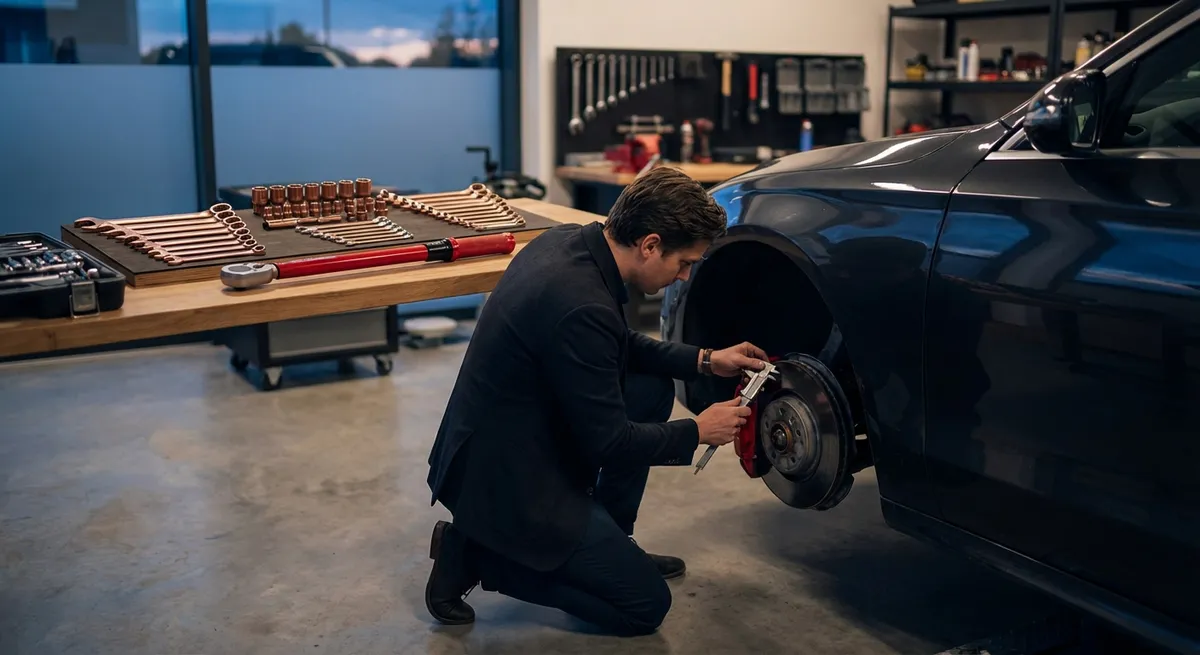
A complete brake evaluation should review pad thickness, rotor condition (including runout and minimum thickness), caliper function, brake fluid health, hose flexibility, and the operation of ABS and stability-control components. Request that your technician documents measurements, not just impressions: rotor thickness in millimeters, pad material remaining, and fluid boiling point or test-strip results. This transforms the conversation from guesswork to evidence.
Refined owners also ask about the pattern of wear. Uneven pad wear or discoloration on one rotor can reveal sticking calipers, seized slide pins, or incorrect torque on wheels. These subtle indicators, if addressed early, can prevent premature pad failure, warped rotors, and unpredictable braking feel. When you frame your visit as a “comprehensive brake assessment” rather than a “quick pad change,” you position yourself for better decisions—and better outcomes.
The Material Difference: Curating Brake Components for Your Driving Style
Brake pads and rotors are not interchangeable commodities. Their composition, design, and quality control significantly influence pedal feel, stopping distance, dust levels, and noise. The sophisticated driver treats component selection as curation, not as an afterthought.
Ask your shop which pad formulation they intend to use, and why. Organic, semi‑metallic, and ceramic pads each come with distinct trade‑offs in noise, dust, fade resistance, and rotor wear. For a daily driver that occasionally sees high-speed highway travel, a high-quality ceramic pad with a matching rotor often delivers a refined blend of low noise, low dust, and consistent performance. Owners of heavier vehicles or performance models may benefit from semi‑metallic pads that handle heat better, albeit with a bit more noise.
Insist on rotors that match or exceed OEM specifications—vent design, metallurgy, and surface finish matter. Slotted or drilled rotors may look appealing but can be unnecessary for normal road use and, if poorly designed, may even compromise durability. A premium mentality emphasizes engineered compatibility, not aesthetics. The question to ask is simple: “Is this pad–rotor combination engineered and tested together for my type of driving?” The answer reveals whether you are receiving a tailored solution or a generic install.
Fluid, Heat, and Time: The Understated Importance of Brake Hydraulics
Brake fluid is the most overlooked element of brake safety, yet it is the medium transmitting your intention from pedal to caliper. Over time, brake fluid absorbs moisture, reducing its boiling point and increasing the risk of fade under heavy braking. For the refined driver, allowing fluid to degrade is the equivalent of neglecting the very foundation of brake performance.
Rather than relying on mileage alone, ask your shop whether they test brake fluid condition during each service. Tools that measure fluid boiling point or moisture content offer an objective basis for replacement. When the fluid’s boiling point has significantly dropped from its specification—or moisture content is above the manufacturer’s guidance—replacement is not optional; it is a safety priority.
A premium brake service includes a methodical fluid exchange, ensuring fresh fluid throughout the system, not merely a quick “top-off.” Confirm that the correct DOT rating (DOT 3, 4, or 5.1, as specified by your vehicle manufacturer) is used. Upgrading to a higher‑boiling‑point fluid without considering compatibility can create more problems than it solves. The goal is controlled consistency under duress, not theoretical performance gains that ignore real-world use and manufacturer guidelines.
The Art of Silence: Understanding Noise, Vibration, and Feel as Diagnostic Clues
For many drivers, brake noise is a nuisance. For the attentive owner, it is a language. Squeals, groans, or subtle vibrations can reveal far more than simple pad wear; they often point to installation quality, component selection, or underlying mechanical issues.
A refined brake repair strategy acknowledges that quiet, linear pedal feel is an outcome of careful attention to detail. This includes proper rotor surface preparation, correct pad bedding procedures, and thorough cleaning and lubrication of caliper slide pins and contact points. Cheap shims or skipped anti‑rattle hardware may save minutes during installation yet cost you months of irritating noise and inconsistent performance.
Do not hesitate to ask your technician how they address potential sources of noise: Do they measure rotor runout? Do they use a torque wrench on lug nuts to avoid warping rotors? Do they follow the pad manufacturer’s recommended bedding‑in procedure? Drivers who value a calm, composed cabin treat these questions as standard—not as overkill. Silence and stability are not accidents; they are the culmination of disciplined technique.
Beyond the Invoice: Building a Personal Brake Safety Record
Professional brake service is only half the story. The other half is how you, as the owner, document, monitor, and respond to changes over time. A personal brake safety record transforms individual repair visits into a continuous, coherent history of your vehicle’s braking health.
Record the date, mileage, and details of every brake service, including pad type, rotor brand, rotor thickness at installation, and brake fluid status or replacement. Note any symptoms that prompted the visit—noise under light braking, a soft pedal feel, or vibrations at highway speeds—and whether they were fully resolved. Over time, this log allows you to see patterns: how long specific pads last under your driving style, how quickly rotors wear, and how consistently fluid is replaced.
Between services, perform brief, controlled self‑checks: pay attention to whether the car pulls under braking, how the pedal feels during the first stop of the day, and whether stopping distances seem to be creeping longer. When these observations are shared with a trusted shop, they become actionable data. This proactive mindset turns brake repair from a reactive expense into an ongoing, intelligently managed safety system—a hallmark of premium vehicle stewardship.
Conclusion
Brake repair, at its most basic, keeps a car stoppable. At its most refined, it shapes how confidently and gracefully a vehicle responds in the moments that matter most. By insisting on complete system evaluations, carefully selected components, disciplined hydraulic maintenance, meticulous attention to noise and feel, and a personal record of past work, you elevate brakes from routine maintenance to a curated safety asset.
For the car owner who values precision, calm control, and the assurance that every stop is as deliberate as every start, these practices are not luxuries—they are the new standard.
Sources
- National Highway Traffic Safety Administration (NHTSA) – Brakes and Safety – Federal guidance on brake systems, safety considerations, and regulatory information
- U.S. Department of Transportation – FMVSS Standards Overview – Context on the federal motor vehicle safety standards that influence how brake systems are designed and evaluated
- AAA – Understanding Your Vehicle’s Braking System – Clear explanations of brake components, maintenance needs, and typical service practices
- Bridgestone – Brake Service and Maintenance Guide – Practical information on pad wear, rotor condition, and signs your brakes need attention
- Pennsylvania College of Technology – Automotive Brake Systems Overview (PDF) – Educational resource detailing brake system components, diagnostics, and service procedures
Key Takeaway
The most important thing to remember from this article is that this information can change how you think about Repair Guides.