Even in a world of touchscreens and driver-assistance tech, the most quietly decisive luxury in any vehicle is still the way it stops. A well‑engineered brake system does more than bring you to a halt—it shapes how composed, confident, and in‑control every mile feels. For owners who care about refined safety and understated performance, understanding what happens beneath the wheels is no longer optional; it’s part of owning the car with intention.
Below, we’ll explore the architecture of modern brake systems and then uncover five exclusive, often overlooked insights that discerning drivers can use to elevate both safety and driving refinement.
The Architecture of Modern Brake Systems
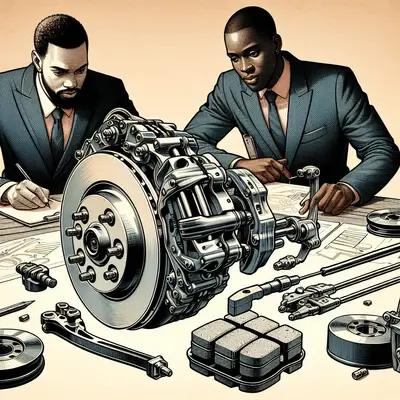
Beneath the elegance of a smooth stop lies an intricate, tightly choreographed system. At its core, every hydraulic brake setup translates a simple press of your foot into sophisticated, amplified force at each wheel. The brake pedal pushes a rod into the master cylinder, which converts mechanical effort into hydraulic pressure. That pressure travels through carefully sized brake lines to calipers or wheel cylinders, squeezing pads or shoes against a rotating surface—either a disc (rotor) or a drum.
Modern vehicles layer advanced control technologies on top of this fundamental hydraulic system. Anti‑lock braking systems (ABS) monitor wheel speed to prevent lock‑up, modulating pressure at each corner in rapid pulses that maintain steering control on slippery surfaces. Electronic brake‑force distribution (EBD) fine‑tunes how much braking each axle receives, adapting to load, road conditions, and vehicle dynamics. In higher‑end models, brake assist systems analyze how quickly you move the pedal, recognizing emergency braking and automatically increasing pressure to help you stop in the shortest distance possible.
In hybrids and EVs, friction brakes share duties with regenerative braking. Electric motors work as generators, slowing the car while recovering energy, and the braking system must blend this with traditional friction braking so the driver feels only one seamless, predictable response. When done well, this fusion of electronics, hydraulics, and software creates a stopping experience that feels intuitive and effortlessly controlled—an invisible luxury that only becomes obvious when it’s missing.
Materials, Heat, and the Physics of Confidence
Every brake application is a brief, intense physics experiment: kinetic energy from a moving vehicle is converted to heat in the rotors and pads. The quality of that conversion determines how stable, silent, and repeatable your braking feels. High‑quality brake pads use carefully formulated friction materials—sometimes semi‑metallic, sometimes ceramic, sometimes advanced organic blends—to maintain consistent grip over a wide temperature range while managing noise and dust.
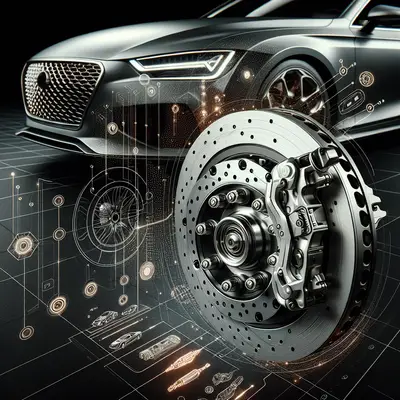
Rotors are equally critical and too often treated as a generic commodity. Their metallurgy, internal cooling vane design, and thickness determine how well they tolerate repeated high‑energy stops, how resistant they are to warping, and how smoothly the pads engage. Luxury and performance vehicles often use vented, slotted, or even two‑piece rotors designed to move heat away from the braking surface while resisting deformation.
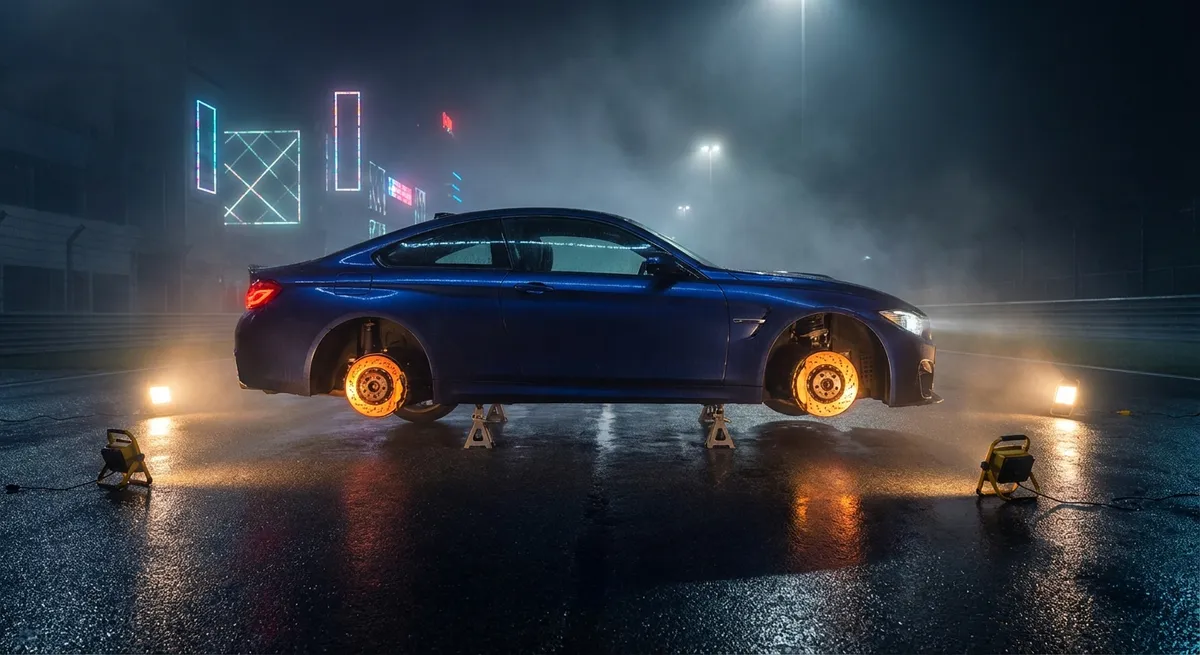
When heat overwhelms the system, brake fade occurs: the pedal may remain firm, but the friction material temporarily loses effectiveness, or the fluid boils and introduces compressible vapor into the lines. For spirited driving, mountain descents, or towing, fade resistance is part of safety, not just performance. Understanding that your brakes are a heat management system—not just a collection of parts—helps explain why top‑tier components and professional installation matter far beyond aesthetics.
Insight 1: Pedal Feel Is Your First Luxury Safety Indicator
Most owners only pay attention to the dashboard brake warning light, yet the brake pedal itself quietly reports the system’s health in real time. Refined drivers learn to treat pedal feel as an early‑warning instrument, not just a control.
A pedal that feels progressively firmer as you apply pressure typically indicates a healthy, well‑bled hydraulic circuit. A pedal that feels “spongy,” sinks slowly toward the floor, or changes character over the course of a drive can signal issues such as air in the lines, deteriorating brake fluid, swollen rubber hoses, or internal master cylinder leaks—even before braking distances noticeably increase.
Subtle changes over weeks or months are especially important. A slightly longer pedal travel, a small delay before the brakes “bite,” or a need to press just a bit harder than you once did are all data points. Logging these impressions—mentally or in a maintenance journal—helps you detect degradation long before it becomes an emergency. For owners who appreciate refinement, treating pedal feel as a daily diagnostic check turns every commute into a discreet safety inspection.
Insight 2: Brake Fluid Is a Perishable Safety Asset, Not a Lifetime Fill
While engine oil receives constant attention, brake fluid quietly ages in the background. Most modern brake fluids are glycol‑based and hygroscopic—they absorb moisture from the air over time. This is not a flaw; it prevents water from pooling in the system. But absorbed moisture gradually lowers the fluid’s boiling point and encourages internal corrosion of calipers, ABS components, and master cylinders.
Once brake fluid has absorbed enough water, intense braking can cause it to boil inside the lines. Vapor bubbles are compressible, which translates into a soft or sinking pedal and drastically reduced braking force precisely when you need it most—during repeated hard stops or long downhill grades.
For discerning owners, brake fluid is not “out of sight, out of mind”; it’s part of a curated maintenance strategy. Many manufacturers recommend replacing brake fluid every 2–3 years, and high‑performance or heavy‑use conditions may justify more frequent changes. A premium approach includes:
- Using fluid that meets or exceeds the exact DOT specification recommended by the manufacturer.
- Ensuring a thorough flush, not just a partial bleed.
- Requesting that the technician fully cycles the ABS system where appropriate, so old fluid is displaced from control modules as well.
This is one of the least expensive yet most sophisticated upgrades you can make to your braking safety.
Insight 3: Tires Are the Final Link in the Brake System Chain
Even an impeccably maintained brake system cannot transcend the physics of its contact patches. All the precision in the hydraulics and hardware ultimately compresses four palm‑sized areas of rubber into the road. For owners who think about brake safety as a holistic ecosystem, tire selection and condition are as critical as pad choice.
Consider three tire dimensions that directly shape your stopping performance:
- Compound: Softer, high‑quality compounds can dramatically reduce stopping distance, especially in the wet.
- Tread design and depth: An elegant tread pattern is not just a visual choice; it governs water evacuation and grip. Worn tread, even above legal limits, can meaningfully extend stopping distance in rain.
- Temperature and age: Tires harden with time, not just mileage. A vehicle that is driven infrequently may have tires that look acceptable but perform like glass in an emergency maneuver.
For drivers who value refined control, treating tires as part of the brake system—not a separate category—changes priorities. Regular pressure checks, alignment maintenance, and timely tire replacement become an investment in braking excellence rather than mere “tire care.”
Insight 4: Weight, Load, and the Hidden Cost of Added Comfort
Modern vehicles are heavier than their predecessors, with layers of sound insulation, advanced seating, panoramic roofs, and safety structures. Every kilogram added to the chassis must be decelerated by the same brake system. Roof racks, cargo boxes, full cabins, and towing further amplify the demand.
Brake systems are engineered with safety margins, but those margins can quietly erode when a vehicle is consistently operated near its maximum load or towing capacity. Heat builds faster in the rotors, pads glaze more easily, and brake fluid reaches critical temperatures sooner. The result is not always dramatic fade; sometimes it’s a subtle loss of consistency—slightly different stopping behavior from one hard brake application to the next.
A premium approach to ownership means recognizing that vehicle weight is not just a fuel economy issue; it’s a brake strategy consideration. Owners who regularly tow, carry heavy equipment, or travel fully loaded can:
- Opt for higher‑performance pads and rotors engineered for better heat management.
- Shorten maintenance intervals for pads, rotors, and brake fluid.
- Consider trailer brakes where applicable, ensuring they are correctly adjusted and maintained.
Treating weight as part of your brake calculus keeps the vehicle’s stopping character consistent and composed, regardless of how you outfit or load it.
Insight 5: Calibration and Electronics Are the New Frontier of Brake Safety
As braking systems become more integrated with driver‑assistance technologies, safety increasingly depends on precise electronic calibration, not just mechanical soundness. Features such as automatic emergency braking (AEB), adaptive cruise control, and stability control rely on sensors, control modules, and carefully tuned software to request and modulate brake pressure.
After a collision, windshield replacement, suspension work, or even a hard curb impact, these systems can fall out of calibration. The car may appear to drive and stop normally under manual control, yet its automated interventions might no longer apply optimal brake pressure or might misjudge distances and closing speeds.
For owners committed to elevated safety, the question “are my brakes in good condition?” now includes: “are my driver‑assistance braking functions correctly calibrated?” The premium standard includes:
- Requesting calibration checks after any repair that involves cameras, radar sensors, or major chassis components.
- Ensuring that software updates from the manufacturer are performed when available, as they often refine braking algorithms and thresholds.
- Verifying via professional diagnostic tools that ABS, stability control, and AEB systems show no stored or pending faults—even if no warning lights are illuminated.
In this era, peace of mind at the pedal is as much about invisible code as visible components. Treating digital calibration as part of your brake maintenance is a hallmark of the truly informed owner.
Conclusion
The most advanced luxury your vehicle can offer is not a larger screen or a brighter ambient lighting package—it is the quiet certainty that, when required, it will shed speed with composure, precision, and margin to spare. Understanding your brake system’s geometry, materials, fluid, tires, load, and electronic intelligence allows you to steward that certainty with intention.
When you begin to read pedal feel as a diagnostic tool, treat brake fluid as a curated consumable, regard tires as your final braking interface, respect the influence of weight, and insist on proper electronic calibration, you elevate “routine maintenance” into a refined safety philosophy. On every journey, visible and invisible elements of your brake system are working in concert for your protection. The more you understand, the more gracefully—and confidently—you can command the art of stopping.
Sources
- National Highway Traffic Safety Administration (NHTSA) – Brakes and Brake Assist Technologies – Overview of braking systems, ABS, and advanced driver‑assistance braking features
- U.S. Department of Transportation – ABS and Vehicle Control – Explains how ABS functions and improves vehicle control during hard braking
- AAA – Why Brake Fluid Maintenance Matters – Discusses the hygroscopic nature of brake fluid and recommended service intervals
- Tire Rack – Tire Tech: Effects of Tread Depth on Wet Traction – Demonstrates how tread depth and tire condition influence stopping distances, especially in wet conditions
- SaferCar.gov – Tire Safety Basics – Details the role of tire age, inflation, and condition in overall vehicle safety and braking performance
Key Takeaway
The most important thing to remember from this article is that this information can change how you think about Brake Systems.