For drivers who regard their vehicle as more than mere transport, brake care is not a chore—it is a discipline. The most refined driving experiences share one trait: impeccable, predictable stopping. This guide distills brake repair into a calm, comprehensible framework, with a focus on subtle details and decision‑making rather than panic and guesswork. Below, you’ll find five exclusive insights that elevate brake safety from “good enough” to genuinely exceptional.
Understanding the Brake System as a Single, Harmonized Mechanism
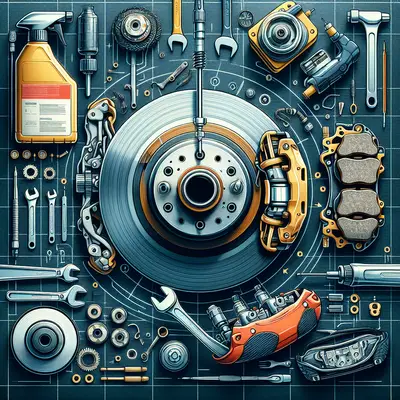
Modern braking is a collaboration of components, not a collection of parts. Pads, rotors, calipers, brake lines, fluid, master cylinder, ABS modules, and even your tires work together as one system. When one element is neglected, the others compensate—often in ways that shorten their lifespan or compromise safety.
Appreciating this harmony changes how you approach repair decisions. For example, replacing worn pads without inspecting rotor thickness or lateral runout can leave you with lingering vibration, glazing, or uneven performance. Similarly, ignoring aged brake fluid while installing premium pads diminishes your upgrade, since spongy hydraulics blunt pedal feel and increase stopping distance. A sophisticated brake strategy views every service as an opportunity to re‑balance the entire system, not just “fix the noisy part.”
This mindset is also essential when comparing repair quotes. A low-cost estimate that omits rotor resurfacing or replacement, hardware refresh, and fluid inspection may appear attractive but often leads to premature wear and repeat visits. A more comprehensive service that addresses the system holistically tends to deliver a quieter, smoother, and more durable result—exactly what a discerning owner values.
Exclusive Insight #1: Pedal Feel Is Your Most Underused Diagnostic Tool
Most drivers wait for an obvious symptom—squealing, grinding, or a warning light—before thinking about their brakes. Yet the brake pedal itself quietly reports changes long before visible damage appears, if you know what to feel for.
A premium, healthy brake system offers a distinct initial “bite” followed by firm, progressive resistance as you apply more pressure. When this character changes, your car is telling you something:
- A pedal that gradually grows softer over weeks can signal moisture‑contaminated brake fluid, subtle leaks, or rubber hoses beginning to deteriorate internally.
- A pedal that feels firm but requires more effort than before may point to glazed pads, hardened friction material, or rotors with reduced effective surface area due to scoring or rust.
- A pedal that pulses under gentle, steady braking often indicates rotor thickness variation or uneven deposits, even if the rotors still appear “smooth” to the eye.
- A slow pedal sink at a stop, where the pedal creeps toward the floor under constant pressure, can be an early sign of master cylinder wear—something that should be addressed without delay.
Making a mental note of pedal behavior every few weeks—especially during low‑speed stops in a quiet environment—provides an early‑warning mechanism that many owners overlook. When you can describe these nuances clearly to a technician, you enable more accurate diagnosis and avoid unnecessary parts swapping.
Exclusive Insight #2: Brake Fluid Care Is a Hidden Luxury in Safety
Brake fluid is the most understated component in your stopping performance. It doesn’t squeal, it doesn’t glow, and it rarely makes headlines. Yet it is the medium that turns your intent at the pedal into precise, controllable braking at each wheel.
Over time, glycol‑based brake fluids (DOT 3, DOT 4, and many DOT 5.1) absorb moisture from the atmosphere, even in a sealed system. This has two critical effects: it gradually lowers the fluid’s boiling point (increasing the risk of fade under heavy braking) and it encourages internal corrosion of calipers, lines, and ABS components. The result is often a softer pedal, uneven braking, and expensive downstream repairs.
A refined maintenance regimen typically includes:
- Following the manufacturer’s interval for brake fluid replacement—commonly around every 2–3 years, or sooner in humid climates or for performance driving.
- Using the exact fluid specification recommended in your owner’s manual; “upgrading” to a different DOT rating without understanding compatibility can be counterproductive.
- Asking your repair shop if they test fluid moisture content or boiling point rather than relying solely on color as an indicator.
Treating brake fluid service as a routine, scheduled investment—not a reactive repair—pays dividends in pedal precision, component longevity, and peace of mind on long descents or high‑speed travel.
Exclusive Insight #3: The Subtleties of Noise—What Your Ears Can Tell You
Not all brake noise is created equal, and not every sound means imminent failure. However, understanding subtle differences can help you respond appropriately rather than either dismissing or overreacting to what you hear.
A deliberate, high‑pitched chirp that appears only at low speeds may be the built‑in wear indicator contacting the rotor, a designed alert that pad friction material is nearing its limit. In contrast, a harsh, metallic grinding or growling typically indicates that the pad has worn past its backing plate and is cutting into the rotor—an urgent condition that can quickly escalate into costly damage.
Light squeals after a cold start or following rainfall can be caused by surface rust or pad material hard spots, often clearing after a few normal stops. A rhythmic thump or scraping that changes with wheel speed can hint at debris lodged between pad and rotor, a shield making contact, or a rotor surface irregularity.
The refined approach is to listen over several drives, note when and how the sound occurs (cold vs. hot brakes, during light vs. hard braking, turning vs. straight line), and communicate those details to your service provider. This turns a vague complaint—“my brakes are noisy”—into actionable information that shortens diagnostic time and helps avoid unnecessary part replacement.
Exclusive Insight #4: Hardware, Lubrication, and the Art of a Silent Brake Job
Many brake repairs focus on the showpiece items: pads and rotors. Yet the quiet, consistent operation that discerning owners prize depends heavily on small, often overlooked components—shims, clips, guide pins, and high‑temperature lubricants.
A high‑quality brake service generally includes:
- Replacing pad hardware (anti‑rattle clips, abutment clips, springs) rather than reusing rusty or fatigued pieces.
- Cleaning and lubricating caliper slider pins with a proper synthetic, high‑temperature brake grease to promote even pad wear and smooth piston movement.
- Ensuring pad backing plates are correctly fitted, with appropriate use of manufacturer‑approved anti‑squeal compounds where specified, not improvised solutions.
- Confirming pad chamfers and slots (where designed) are intact, promoting gradual pad engagement and reducing edge‑related noise.
Skipping these “details” may not show up on a short test drive, but it often reveals itself later as uneven pad wear, intermittent squeaks, and minor pulling during braking. Asking your shop whether new hardware is included, and how they handle cleaning and lubrication, is a simple way to distinguish a basic pad swap from a meticulous brake service suited to a luxury mindset.
Exclusive Insight #5: Interpreting Brake Service Recommendations with Confidence
One of the most valuable skills an owner can cultivate is the ability to interpret and question brake repair recommendations calmly and knowledgeably. The aim is not to second‑guess professionals, but to ensure that service aligns with your safety priorities and the actual condition of your vehicle.
A few refined practices:
- Request measurements, not just opinions. Ask for rotor thickness, minimum allowable thickness, and pad material remaining. Numbers give context and help you compare future inspections.
- Seek visual confirmation when possible. Many shops can show you your pads and rotors—either in person or via photos—so you can see glazing, scoring, or uneven wear patterns firsthand.
- Distinguish urgent needs from prudent upgrades. A caliper that is seized or a rotor below specification is non‑negotiable; an “advisory” for mildly corroded lines or slightly hardened hoses may be scheduled and budgeted thoughtfully.
- Align part choices with your driving style. If you value quiet operation and smooth, progressive stops, ask specifically for quality, low‑noise, OE‑equivalent or better pads and rotors, rather than the least‑expensive option.
This measured approach keeps you from deferring critical safety repairs while also preventing unnecessary, marginally beneficial work. Over time, you build a record of measurements and decisions that turns your brake system into a well‑documented asset, not an occasional source of anxiety.
Conclusion
Exceptional brake performance feels effortless: a composed pedal, a quiet cabin, a predictable deceleration that matches your intent precisely. Achieving that standard is less about dramatic interventions and more about attentive refinement—listening to what your brakes tell you through pedal feel, noise, and subtle behavior, and pairing that awareness with deliberate, informed service choices.
By viewing your brakes as a harmonized system, treating brake fluid as a first‑class safety component, respecting the role of hardware and lubrication, and engaging thoughtfully with repair recommendations, you transform “getting the brakes done” into a curated maintenance experience. The result is not only shorter stopping distances, but a quieter, more confident connection between driver, machine, and road—every time you press the pedal.
Sources
- [National Highway Traffic Safety Administration (NHTSA) – Brakes and Safety](https://www.nhtsa.gov/equipment/brakes) - Overview of brake safety, system function, and the importance of proper maintenance
- [U.S. Department of Transportation – Brake Fluid and Hydraulic Systems Basics](https://www.transportation.gov) - General federal guidance on vehicle safety systems, including hydraulic braking principles
- [AAA – Car Brake System Basics and Maintenance Tips](https://exchange.aaa.com/automotive/maintenance/car-brake-system/#.Y3eJbHbMJD8) - Consumer-focused explanations of brake components, wear indicators, and service intervals
- [Bridgestone – How Brakes Work and Signs They Need Service](https://www.bridgestonetire.com/learn/maintenance/brakes/) - Practical coverage of brake symptoms, noises, and when to seek repair
- [Penn State Extension – Brake Fluid and System Care](https://extension.psu.edu/automotive-brake-systems) - Educational resource explaining brake fluid characteristics, contamination, and maintenance best practices
Key Takeaway
The most important thing to remember from this article is that this information can change how you think about Repair Guides.