For discerning drivers, brake maintenance is not a crisis response—it is a quiet discipline. True confidence at the pedal comes not from hoping the system will perform, but from cultivating a refined awareness of how it behaves long before anything goes wrong. This is where elevated brake care begins: in the details that most drivers never notice, yet safety‑minded owners consider non‑negotiable.
Moving Beyond the “Squeal and Fix” Mindset
Most brake repairs begin only after a complaint: a squeal, a vibration, a dashboard light. By that point, wear has already progressed from “manageable” to “urgent.” A more sophisticated approach treats the braking system as a precision safety instrument that deserves the same vigilance as any other critical component in your life—whether that’s a high‑end watch or a performance bicycle.
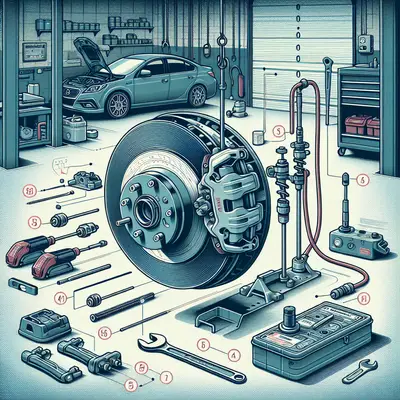
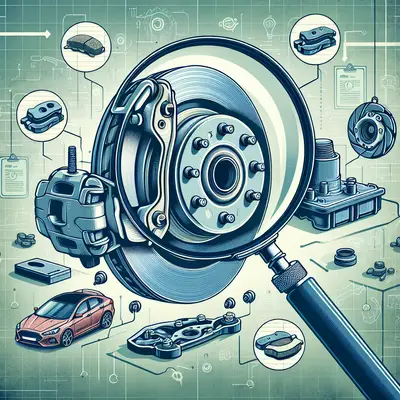
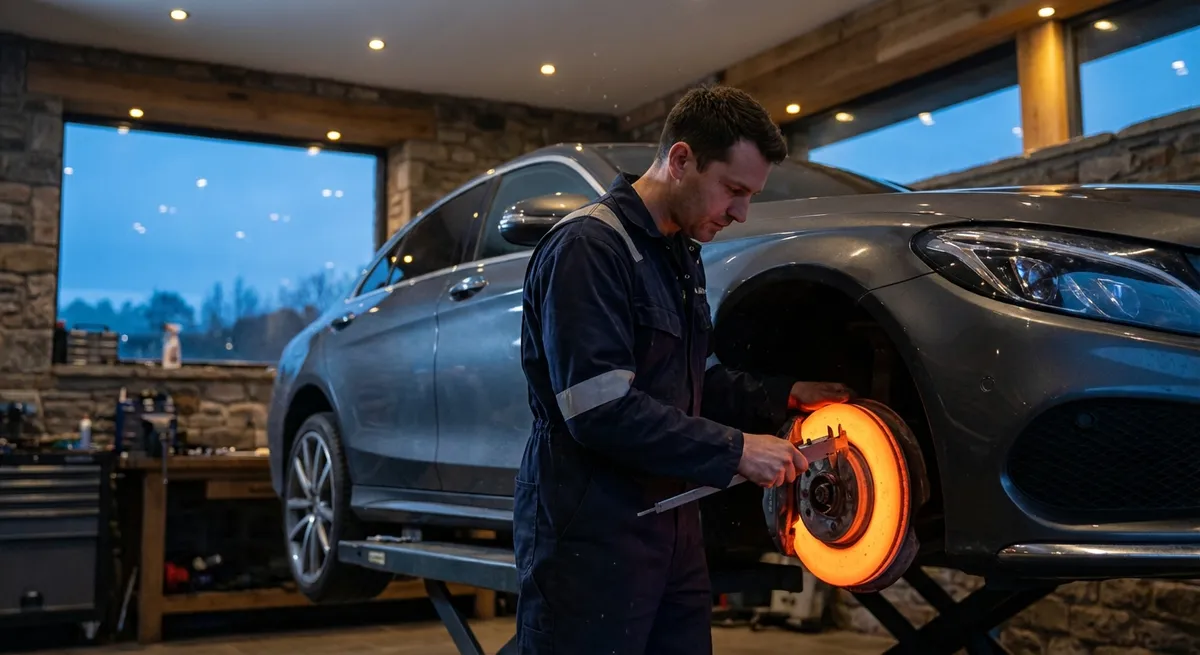
Instead of waiting for symptoms, think in terms of predictable, proactive intervals. Have your brakes visually inspected at least once a year—or every 10,000–12,000 miles—regardless of apparent performance. A quick look at pad thickness, rotor condition, hose integrity, and fluid level can reveal developing issues well before they become audible or perceptible from the driver’s seat.
By normalizing inspection as routine—rather than as a response to a problem—you reduce the likelihood of rotor damage, uneven pad wear, or compromised stopping distances. That shift in mindset alone elevates your entire safety profile, particularly if you drive in urban traffic, on mountain roads, or at highway speeds where margin for error is slim.
Exclusive Insight #1: Brake Feel Is a Language—Learn to “Read” It
Sophisticated brake care begins with your senses. The brake pedal and steering wheel are constantly sending subtle information about the system’s health—if you are attentive enough to notice.
A premium approach is to get acquainted with your vehicle’s “baseline” feel when everything is in top condition. After a fresh professional inspection or service, pay close attention to:
- Pedal travel: How far the pedal moves before the brakes engage.
- Pedal firmness: How solid or spongy it feels under steady pressure.
- Initial bite: How quickly deceleration begins with a light press.
- Steering feedback: Whether the wheel remains calm under braking, with no pulsing or drift.
Once you know what “correct” feels like, even subtle deviations become easy to detect. A slightly longer pedal travel, a hint of softness, or a faint pulse might not trigger a warning light, but each is a quiet signal worth respecting. Drivers who treat these early cues as invitations to inspect, not as quirks to ignore, tend to avoid expensive, late‑stage repairs.
Exclusive Insight #2: Brake Fluid Is Not “Lifetime”—It’s Your Hidden Lifeline
Of all brake maintenance items, fluid is the most frequently overlooked and the least glamorous—yet it is the medium that translates your foot’s command into stopping power. Modern braking systems rely on hydraulic fluid that is designed to be incompressible, but it is also hygroscopic, meaning it absorbs moisture over time.
Even in a sealed system, humidity enters gradually. This has two serious effects:
- Lower boiling point: Under hard or repeated braking (steep descents, towing, spirited driving), moisture‑laden fluid can vaporize locally, creating gas bubbles that compress. The result: a soft pedal, delayed response, or in extreme cases, partial brake fade.
- Internal corrosion: Moisture encourages rust on steel components such as caliper pistons, ABS valves, and internal lines—damage you cannot see from the outside but that can compromise long‑term safety and reliability.
For a refined maintenance regimen, treat brake fluid with the same respect as engine oil. Have it tested or replaced approximately every two to three years, or as your manual recommends—sooner if you live in humid climates, tow frequently, or drive in mountainous regions. A simple fluid test strip can reveal elevated moisture content before performance is visibly affected.
This quiet, periodic service does not change how your car looks, but it significantly influences how confidently and consistently it stops when you need it most.
Exclusive Insight #3: Temperature, Terrain, and Driving Style Shape Wear Patterns
Many drivers assume that brake components wear on a neat schedule, but sophisticated owners recognize that geography and driving style are silent partners in brake lifespan.
Consider how the following factors subtly influence both safety and longevity:
- City vs. highway: Dense urban driving with recurring stop‑and‑go traffic consumes pads and heats rotors far more aggressively than steady‑state highway cruising.
- Terrain: Mountainous routes, steep driveways, and hilly neighborhoods demand more frequent braking, often with longer durations and higher temperatures.
- Driving style: Late, hard braking generates more heat, glazing pads and accelerating rotor wear. Earlier, more progressive braking distributes heat, reduces stress, and preserves component surfaces.
- Towing and payloads: Additional mass—trailers, cargo, passengers—requires greater braking force for the same deceleration, amplifying both wear and heat.
Elevated brake care means aligning your maintenance expectations with the realities of your environment. A vehicle living in downtown traffic or near mountain passes may require more frequent inspections, earlier pad replacement, or higher‑grade components than the same model in flatter, lightly trafficked regions.
When discussing service with a trusted shop, share how and where you drive. You will receive far more precise recommendations than any generic mileage interval can offer.
Exclusive Insight #4: Component Quality and Compatibility Quietly Define Brake Character
Not all brake parts are created equal, and “good enough” is rarely the standard for safety‑conscious owners. Pads, rotors, and hardware sets do more than simply stop the car—they shape pedal feel, noise levels, dust output, and consistency over time.
A premium approach to brake replacement considers:
- Friction material choice: Organic, semi‑metallic, and ceramic pads each offer distinct trade‑offs in noise, dust, initial bite, and high‑temperature performance. Many luxury and performance manufacturers specify pad formulations precisely to match chassis dynamics and driver expectations.
- Rotor design and metallurgy: High‑quality rotors are less prone to warping, uneven deposits, and vibration. Vented, slotted, or drilled designs are not just aesthetic; when correctly matched to vehicle and use, they can better manage heat and gas buildup.
- Hardware and lubrication: Anti‑rattle clips, shims, and high‑temperature lubricants are not optional details. They stabilize pad movement, reduce noise, and ensure even application across the rotor face.
A discerning owner favors quality components that complement the original engineering of the vehicle rather than the least expensive option. When evaluating parts, look for established brands, manufacturer recommendations, and certifications rather than marketing slogans alone.
The result: a brake system that feels composed, quiet, and predictable—not only when brand new, but thousands of miles later.
Exclusive Insight #5: Cleanliness and Precision Installation Are Safety Features
Brake work is often imagined as a matter of “bolting on new parts,” but the standard of workmanship can quietly define your safety experience.
Attention to these refined details separates a routine repair from a truly premium brake service:
- Surface preparation: Properly cleaning hub faces, caliper brackets, and rotor mating surfaces ensures true alignment and minimizes future vibration.
- Slide pin service: Caliper slide pins must move freely and be lubricated with the correct high‑temperature grease. Binding pins can cause uneven pad wear, pulling, or hot spots on rotors.
- Torque accuracy: Wheel and caliper fasteners should be tightened with a calibrated torque wrench, not “by feel.” Over‑ or under‑torqued lug nuts can distort rotors or risk loosening over time.
- Bed‑in procedure: New pads and rotors require a deliberate break‑in or “bedding” process—progressive stops from moderate speeds—to evenly transfer pad material onto the rotor surface. This step dramatically influences long‑term smoothness, noise, and braking consistency.
When selecting a service provider, ask how they approach these nuances. A shop that speaks confidently about cleanliness, torque specifications, and bedding procedures is signaling that they view your brakes as a precision system, not a mere commodity.
Integrating Brake Care Into a Broader Safety Ritual
Brake maintenance should feel less like an emergency appointment and more like a considered ritual—a series of quiet, deliberate choices that honor the importance of every stop you make.
Refined brake care looks like this in practice:
- You schedule inspections on a calendar, not in a panic.
- You notice subtle changes in pedal feel and address them early.
- You treat brake fluid change intervals as a core safety practice.
- You match component quality and specification to your driving reality.
- You select technicians who treat every fastener, surface, and procedure with respect.
For the safety‑conscious driver, this is not overkill; it is a reflection of standards. Your vehicle may be an everyday tool, but the system that brings it to a halt is anything but ordinary. Give it the same level of attention you expect from it—consistently, quietly, and with intention—and every future stop becomes that much more assured.
Sources
- [National Highway Traffic Safety Administration (NHTSA) – Vehicle Safety & Maintenance](https://www.nhtsa.gov/road-safety/vehicle-safety) - Federal guidance on critical safety systems and the importance of proper maintenance
- [Car Care Council – Brake System Service and Repair](https://www.carcare.org/breaking-down-brake-service/) - Consumer education on brake inspections, wear, and service intervals
- [Brake & Front End (Brake & Front End Magazine) – Brake Fluid Basics](https://www.brakeandfrontend.com/brake-fluid-basics/) - Technical overview of brake fluid properties, moisture absorption, and service recommendations
- [AAA – How to Know When You Need New Brakes](https://www.ace.aaa.com/repair/articles/how-to-know-when-you-need-new-brakes.html) - Practical signs of brake wear and guidance for vehicle owners
- [University of Rochester – Anti-lock Braking Systems (ABS)](https://www2.me.rochester.edu/courses/ME204/nas_pdf/section5.pdf) - Educational material explaining modern braking system behavior and components
Key Takeaway
The most important thing to remember from this article is that this information can change how you think about Maintenance.