For discerning drivers, true confidence behind the wheel isn’t loud or dramatic—it’s the quiet assurance that the car will respond precisely, every time you ask it to stop. Brake maintenance, done well, is less about reacting to squeals and shudders and more about curating a predictable, composed driving experience. This is where a routine service becomes a craft: thoughtful, measured, and deliberately designed to prevent unpleasant surprises.
Below, you’ll find a refined look at brake maintenance, along with five exclusive insights tailored for car owners who value exceptional safety and subtle control as much as performance.
Understanding Brake Health as a System, Not a Symptom
Many drivers only think about brakes when something feels “off”—a vibration, a noise, a longer-than-usual stop. But by the time symptoms arrive, your safety margin may already be shrinking.
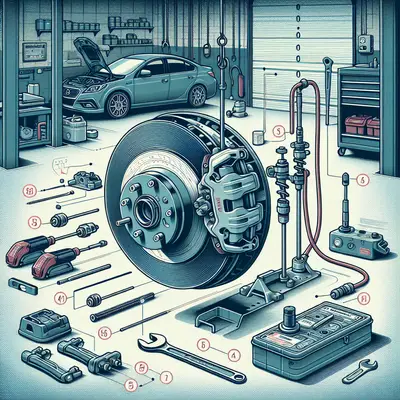
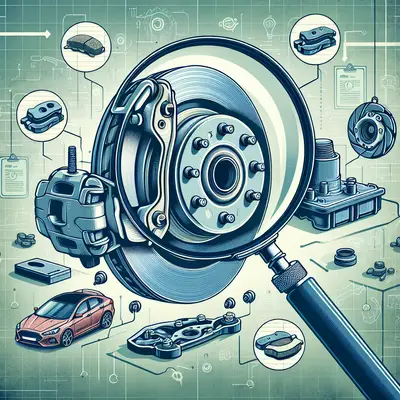
Modern brake systems are a network of interdependent components: pads, rotors, calipers, brake fluid, hoses, lines, and ABS modules. Each has its own aging pattern and its own way of quietly telling you it needs attention long before an obvious failure. A premium approach to maintenance treats the brakes as a complete ecosystem, not a set of isolated parts.
This means scheduling inspections proactively, not reactively. It also means regarding brake service as a form of risk management: you are not just maintaining components; you are preserving stopping predictability, steering stability under hard braking, and the full capability of your ABS and stability-control systems. For those who drive with intention, this perspective shift—from symptom-fixing to system-curating—is foundational.
Precision Matters: How You Choose Service and Components
Not all brake work is the same, and not all “new” parts are equal. The quality of your brake service directly affects not just how quickly you stop, but how consistently, how smoothly, and how quietly.
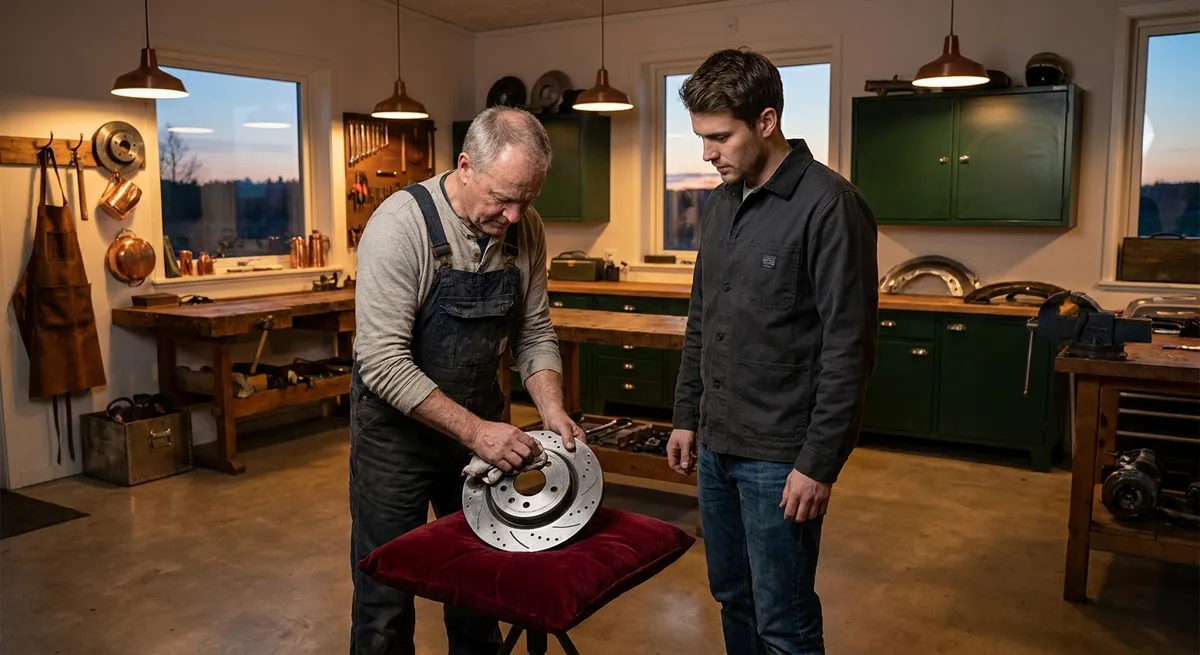
Premium maintenance begins with the technician. Seek out shops that:
- Measure rotor thickness and runout instead of simply “eyeballing” components
- Use torque wrenches on wheels and calipers to avoid warping rotors
- Flush brake fluid according to time, not just mileage
- Test-drive after service and are willing to discuss pedal feel and stopping behavior
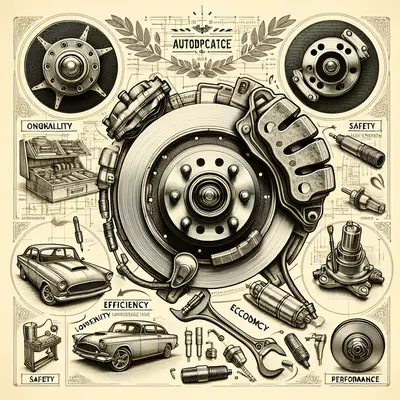
Component selection is equally critical. OEM (original equipment manufacturer) or equivalent-quality pads and rotors are engineered to work as a pair: changing friction material, rotor metallurgy, or pad design can subtly change your stopping distance, fade resistance, dust production, and noise characteristics.
Refined drivers often choose components based on their typical driving profile: commuter-oriented, spirited highway driving, frequent mountain descents, or heavy city use. A premium mindset doesn’t ask, “What’s cheapest?” but rather, “What preserves my car’s designed braking character under my actual driving conditions?”
Five Exclusive Insights for Safety-Obsessed Brake Owners
Discerning owners look beyond the obvious. These five insights go deeper than “replace worn pads” and can meaningfully elevate your brake reliability and performance.
1. Temperature History Quietly Shapes Your Future Stopping Power
Brakes are fundamentally heat-management devices. Every hard stop, long descent, or repeated heavy brake application adds to your system’s thermal history.
Excessive or repeated overheating doesn’t always leave dramatic marks, but it can:
- Glaze pads, reducing friction and increasing stopping distances
- Create subtle hard spots on rotors, contributing to future vibration
- Accelerate fluid degradation, raising the risk of pedal fade under load
A refined driver:
- Uses engine braking on long descents rather than “riding” the brakes
- Leaves extra following distance after a hard stop, allowing cooling air to circulate
- Avoids fully engaging the parking brake immediately after aggressive braking in vehicles with rear-disc parking brakes to prevent hot-spot formation on rotors
By respecting brake temperature, you quietly extend pad life, rotor integrity, and the consistency of your pedal feel.
2. Brake Fluid Age Matters More Than Most Drivers Realize
Brake fluid is hygroscopic—it absorbs moisture over time. This is not a detail for technicians to worry about; it’s a critical safety parameter.
As water content rises:
- The boiling point of brake fluid drops, increasing the risk of vapor bubbles and a “soft” or sinking pedal under hard braking
- Corrosion inside calipers, master cylinders, and ABS components accelerates
- Internal seals and valves can wear prematurely, compromising modulation and ABS performance
Premium maintenance treats brake fluid like a time-sensitive safety item, not an afterthought. Even in low-mileage vehicles, a 2–3 year fluid replacement interval (or as specified by the manufacturer) is a mark of disciplined care. Drivers who prize precise pedal feel often notice how much firmer and more responsive the brakes feel after a proper flush.
3. Your Tires Secretly Dictate How Good Your Brakes Really Are
Brakes don’t actually “stop” your car—your tires do. The brakes simply press your tires harder into the road. If the tires can’t translate that force into grip, even the finest brake system will underperform.
Refined brake maintenance always involves a tire reality-check:
- Tread depth: Below about 4/32" (3 mm), wet stopping distances can increase dramatically
- Age: Rubber hardens with time, often long before the tread is gone
- Pressure: Underinflation compromises grip and stability; overinflation can reduce contact patch size
- Quality: High-quality, seasonally appropriate tires can shorten emergency stopping distances more than a pad upgrade alone
Those who genuinely value stopping performance pair meticulous brake maintenance with carefully chosen, properly inflated, season-appropriate tires. It is one of the most effective, yet most overlooked, upgrades to real-world brake safety.
4. Brake Balance and Pedal Feel Reveal More Than Just Comfort
Sophisticated drivers pay attention not only to whether the car stops, but how it stops. That “how” is filled with information.
Subtle warning signs worth respecting:
- A slight pull to one side under braking may indicate uneven caliper movement, differing pad friction, or a compromised hose on one side
- A pedal that feels just a little “mushier” than usual—even if stopping distance seems acceptable—can signal fluid degradation, minor air intrusion, or internal master-cylinder wear
- A pedal that slowly sinks at a light with steady pressure is never normal and demands immediate diagnosis
Well-tuned brakes deliver a progressive, predictable pedal, with linear response to pressure. Maintaining this behavior over time requires more than just pad swaps; it requires periodic verification of hydraulic integrity, caliper slide function, and pad wear symmetry front to rear and side to side. In premium maintenance, pedal feel is treated as a diagnostic tool, not a matter of comfort.
5. ABS and Stability Control Are Only as Trustworthy as Their Maintenance
Modern vehicles rely heavily on integrated safety systems—ABS, traction control, and electronic stability control. These systems assume that the mechanical brake components are healthy and that sensor data is accurate.
Under-maintained brakes can quietly undermine these systems:
- Uneven pad or rotor condition can confuse wheel-speed sensors, affecting ABS timing
- Corrosion or damage at tone rings and sensors can cause intermittent ABS activation or deactivation
- Old or contaminated fluid can reduce the precision of pressure modulation in ABS events
For safety-focused owners, periodic verification of ABS-related components is part of brake maintenance, not a separate task. This includes inspecting wheel-speed sensor wiring, keeping hubs and tone rings clean, and ensuring fluid is fresh enough to let ABS modulate pressure effectively under extreme conditions. When maintained properly, these systems transform emergency stops from chaotic to controlled.
Elevating Your Personal Brake Maintenance Routine
For those who value refinement, a brake maintenance routine becomes a curated habit rather than a rushed errand. Consider adopting a simple, elevated framework:
- Quarterly: Visually inspect wheels and tires, listen consciously for new noises, and pay attention to any changes in pedal feel or stopping behavior.
- Annually: Schedule a thorough brake inspection that includes pad measurements, rotor thickness and runout checks, caliper slide lubrication, and confirmation of even wear across all corners.
- Every 2–3 Years (or Manufacturer Interval): Perform a full brake fluid exchange, not just a top-off, and confirm ABS and stability-control systems are operation-tested.
- Whenever Driving Conditions Change: If you move to a more mountainous region, start towing, or drastically change your commute, revisit your pad, rotor, and tire choices to ensure they match your new thermal and usage realities.
By approaching brakes with this level of intention, you transform a basic service into an integral part of your personal safety strategy. Your reward is simple yet profound: a car that stops with composure, precision, and predictability, mile after carefully maintained mile.
Conclusion
Lasting brake confidence doesn’t come from waiting for warning lights or squeals. It comes from understanding that every stop is the result of countless small choices: the quality of the components, the discipline of the maintenance schedule, how you manage heat, how you respect fluid and tire condition, and how you listen to the subtle language of pedal feel and brake balance.
For drivers who refuse surprises, brake maintenance is not an obligation—it’s a quiet craft. Curated carefully, it yields something rare on today’s roads: the calm certainty that when you ask your car to stop, it will do so decisively, smoothly, and without drama.
Sources
- National Highway Traffic Safety Administration (NHTSA) – Brake Safety Overview - Federal guidance on brake safety, system basics, and defect information
- U.S. Department of Transportation – Hydraulic Brake Systems - Technical background on hydraulic systems and safety considerations
- University of Texas at Austin – Automotive Brake Systems Course Materials - Educational overview of brake components, heat, and performance
- Continental – Brake Fluid: Function and Service Recommendations - Detailed discussion of brake fluid properties, aging, and maintenance intervals
- Consumer Reports – How Tires Affect Braking and Safety - Explains the critical role of tires in stopping distance and overall brake performance
Key Takeaway
The most important thing to remember from this article is that this information can change how you think about Maintenance.