For drivers who regard their vehicle as more than transport, brake care is not a chore—it is an expression of standards. The most confident cars on the road do not arrive there by chance; they are curated through small, precise decisions that safeguard every stop, every descent, every unexpected moment. This is the realm of quiet, meticulous brake maintenance: subtle to the eye, unmistakable in its results.
Understanding Brake Health as a Living System
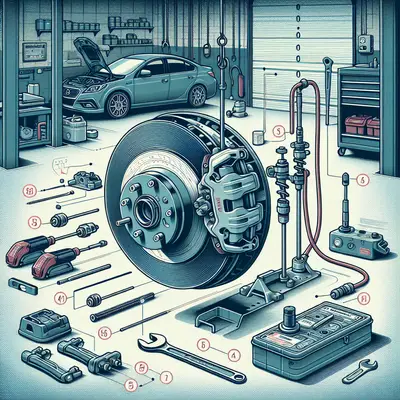
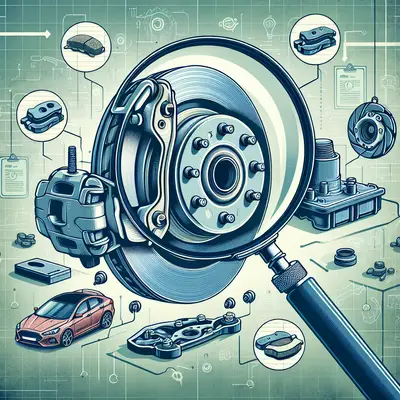
Brake systems are not static components; they are dynamic, heat-cycled mechanisms that age every time you press the pedal. Pads trade friction material for deceleration. Rotors endure thousands of temperature swings from icy dawns to hard stops in summer heat. Caliper seals expand and contract, brake fluid absorbs microscopic moisture, and hardware is exposed to grit, salt, and road debris.
Treating your brakes as a living system means respecting how interdependent each element is. New pads on neglected rotors, old fluid in an otherwise fresh system, or worn hardware behind premium components compromise the entire ensemble. A refined maintenance approach asks not, “Are my brakes still working?” but instead, “Is each part of this system working in harmony, and with margin to spare?”
That mindset shift—from bare functionality to holistic harmony—is where exceptional safety begins.
Exclusive Insight #1: Listening for Texture, Not Just Noise
Most drivers wait for obvious warning signs—squeals, grinds, vibrations. The safety-conscious driver learns to listen sooner and more subtly.
It is not simply the presence of noise, but its texture that matters:
- A faint, dry whisper at low speeds can signal pad glazing or light rotor scoring before it becomes a harsh grind.
- A soft, rhythmic “shuff” can indicate uneven pad contact or early rotor runout.
- Slightly different sounds between left and right sides may reveal an early caliper imbalance or hardware issue.
Cultivating this “acoustic awareness” transforms everyday driving into an ongoing diagnostic. When the car is coasting with windows slightly open on a quiet street, pay attention to how the brakes sound and feel during very light pressure. You are not listening for drama; you are listening for deviation.
This early attention allows issues to be addressed when they are still inexpensive, reversible, and—most importantly—before they compress your safety margins.
Exclusive Insight #2: Treating Brake Fluid as a Precision Component
Brake fluid is often treated as an afterthought, but in a sophisticated maintenance regimen, it is viewed as a precision medium. Its job is unforgiving: transmit force instantly, consistently, and under extreme heat without compressing or boiling.
Over time, brake fluid absorbs moisture from the atmosphere. This quiet, invisible process lowers its boiling point and can invite corrosion in calipers, lines, and ABS components. The pedal may still feel reassuring in daily traffic, but under a sudden hard stop, degraded fluid can allow vapor formation, lengthening stopping distance when it matters most.
Refined brake maintenance includes:
- Following or improving upon the manufacturer’s interval for fluid replacement—often every 2–3 years, sooner in humid or coastal environments.
- Using the correct DOT specification fluid, not just “any brake fluid.” Higher-spec fluids are not automatically better if they are incompatible with your system.
- Requesting a measured approach: some service centers can test fluid boiling point or moisture content rather than guessing based solely on time.
The driver who treats brake fluid as carefully as engine oil enjoys more consistent pedal feel, more reliable stopping power under stress, and longer component life deep inside the braking system.
Exclusive Insight #3: Caring for Calipers—the Unsung Guardians of Consistency
Many brake conversations focus on pads and rotors, but calipers silently dictate how evenly and predictably those parts perform. A premium mindset gives calipers the respect they deserve.
Over years, caliper slide pins can dry out, piston seals can stiffen, and uneven movement can creep in long before obvious pulling or dragging appears. The result is subtle: one wheel may do slightly more work than another, leading to uneven pad wear, heat spots on rotors, or faint steering vibrations under braking.
Attentive owners can elevate caliper care by:
- Insisting that slide pins be cleaned and lubricated with the correct high-temperature brake grease during pad/rotor service—not merely “topped up.”
- Having dust boots and seals visually inspected for cracks or swelling.
- Asking for pad wear patterns to be assessed, not just pad thickness. Uneven taper on a pad is an early message from your caliper.
Treating calipers as serviceable, not invisible, transforms standard brake jobs into genuinely high-quality maintenance, preserving consistency and precision at each press of the pedal.
Exclusive Insight #4: Aligning Tire, Suspension, and Brake Care for True Stability
True brake safety is not defined solely by stopping distance; it is defined by how controlled and stable the vehicle remains while it stops. Brakes do not work in isolation—they collaborate intimately with tires and suspension.
An elevated approach to brake maintenance recognizes:
- Tires are the final “surface” your brakes act upon. Worn, aged, or unevenly worn tires can betray even the finest brake components.
- Suspension health—struts, shocks, bushings, and alignment—governs how weight transfers during braking. Tired suspension can increase nose dive, compromise grip, and lengthen real-world stopping distances.
- Brake performance should be evaluated together with tire condition and alignment, especially if you notice pull, instability on rough roads, or ABS activation at modest braking levels.
Ask your service provider to consider these systems as a trio: braking, tires, and suspension. A sophisticated driver does not simply ask, “Are my brakes okay?” but, “Is my car as composed as it should be under firm braking?”
This holistic alignment produces a braking experience that feels calm, balanced, and predictable—qualities that set apart truly safe vehicles.
Exclusive Insight #5: Adopting a Personal Evaluation Ritual After Any Brake Service
Even the most reputable workshop cannot replicate your driving environment or your personal standards. The final, most exclusive layer of brake safety is the one you apply yourself after every service.
After any brake work—pads, rotors, fluid, or calipers—reserve a short, deliberate evaluation drive:
- Start with gentle stops in a quiet area, feeling for pedal consistency, initial bite, and smooth deceleration.
- Increase braking gradually, paying attention to steering wheel behavior, car tracking, and any subtle pulsing or noise.
- Perform a few moderate stops from higher speeds, once the system is warm, to assess stability and confidence.
- Note pedal behavior at a full stop—it should remain firm, not slowly sink.
- Listen again with windows cracked slightly: new components may sound different, but they should not feel rough or unpredictable.
This private, methodical check-in allows you to confirm that the vehicle meets your expectations—not just the workshop’s minimums. It is a quiet, disciplined moment where you verify that every change made in the shop translates into the safety and serenity you require on the road.
Subtle Habits That Extend Brake Life and Confidence
Beyond formal service intervals, small driving choices compound into significant safety gains:
- Anticipating traffic and easing off the accelerator early preserves pads, rotors, and fluid temperatures.
- Leaving generous following distances reduces the frequency of hard, heat-intensive stops.
- Avoiding resting your foot on the brake pedal while cruising prevents unnecessary wear and heat.
- Rinsing wheels and brake areas after driving on salted or muddy roads helps protect hardware from corrosion.
These are not heroic acts, merely refined habits. Yet over tens of thousands of miles, they preserve the integrity of your braking system and safeguard those decisive moments when performance matters most.
Conclusion
Exceptional brake maintenance is not about spectacle; it is about subtlety, foresight, and a standard you quietly keep for yourself and your passengers. By listening more carefully, treating brake fluid and calipers as precision components, aligning tires and suspension with your braking goals, and performing your own post-service evaluations, you move beyond “good enough” into a realm of truly elevated safety.
In this quiet art of brake care, confidence is not loud. It is measured in calm stops, stable descents, and the quiet certainty that your car is ready for the unexpected—because you chose to make it so.
Sources
- National Highway Traffic Safety Administration (NHTSA) – Brake Safety – Federal safety perspectives on braking systems and performance considerations
- Federal Motor Carrier Safety Administration – Brake System Facts – Technical insights into brake function and the importance of inspection and maintenance
- AAA – Car Brake System: How It Works & When to Service – Clear explanations of brake components, warning signs, and service guidelines
- Bridgestone – How Brakes and Tires Work Together – Discussion of the interdependence between brakes, tires, and stopping performance
- Penn State Behrend – Brake Fluid and Its Role in Vehicle Safety – Educational overview of brake fluid properties, moisture absorption, and maintenance intervals
Key Takeaway
The most important thing to remember from this article is that this information can change how you think about Maintenance.