Modern vehicles hide their most vital safety system behind wheels, panels, and polished interiors. Yet the brake system—largely invisible and rarely discussed with nuance—is precisely where discerning drivers can create a meaningful margin of safety. Understanding how brakes truly work, and how to care for them with intention, transforms stopping from a basic function into a carefully managed, confidence‑inspiring experience.
This guide explores the brake system as a complete safety architecture, then offers five exclusive, detail‑oriented insights for drivers who expect more than merely “adequate” stopping power.
The Brake System as a Complete Safety Ecosystem
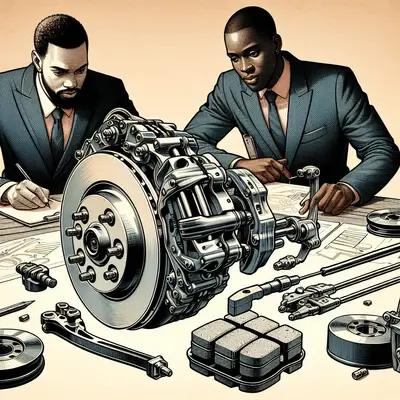
A contemporary brake system is more than pads squeezing rotors. It is a coordinated ecosystem of mechanical components, hydraulic pressure, friction materials, and electronic controls—all designed to stop a vehicle with repeatable precision.
At its core is the hydraulic circuit: when you press the pedal, the master cylinder converts that force into hydraulic pressure sent through brake lines to calipers (or wheel cylinders in drum systems). The calipers clamp pads against rotors, converting kinetic energy into heat. Anti‑lock braking systems (ABS), electronic brakeforce distribution (EBD), stability control, and in some models brake assist, then refine how that braking force is applied, especially in emergency conditions.
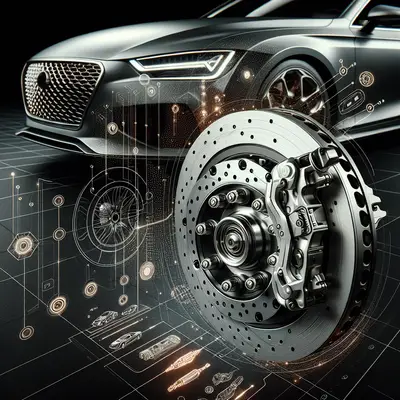
Luxury and performance vehicles often add larger multi‑piston calipers, vented or drilled rotors, and advanced pad compounds tuned for high-speed stability and low noise. Even so, every system—regardless of price point—relies on the same fundamentals: clean hydraulic fluid, true (even) rotors, properly bedded pads, secure hardware, and accurate electronic sensors. When any one of these elements is overlooked, stopping distances can lengthen and confidence can quietly erode long before obvious symptoms appear.
Thinking of your brake system as an integrated safety structure, rather than a collection of parts to be replaced only when noisy or worn, is the first step toward truly elevated brake care.
How Modern Brakes Actually Create Confidence
The sensation you feel at the pedal—firmness, linearity, and predictability—is the result of numerous hidden design decisions. A well‑engineered brake system aims to give you:
- A consistent pedal feel, cold or hot
- A predictable relationship between pedal effort and deceleration
- Minimal fade during repeated stops
- Silence or near‑silence in normal driving
- Stability and control during emergency maneuvers
This is achieved through careful selection of friction materials, caliper design, rotor mass, and hydraulic sizing. Brake pads themselves are engineered to a detailed brief: some prioritize quiet operation and low dust, others emphasize high‑temperature performance for spirited or towing use. Rotors are dimensioned not only to fit within a wheel but to absorb and dissipate the immense heat created in hard stops.
Electronics then refine the mechanical system. ABS pulses brake pressure to prevent wheel lock, EBD shifts brake balance based on load and conditions, and stability control subtly modulates braking at individual wheels to maintain your chosen direction. When functioning correctly, these systems collaborate so seamlessly that the only thing you notice is calm, precise deceleration.
Understanding that “good brakes” are the outcome of many interdependent details makes it easier to appreciate why meticulous inspection and high‑quality components matter—especially if you demand a refined, unhurried confidence every time you approach an intersection.
The Five Insights Discerning Drivers Rarely Hear
Most advice about brakes is either overly simplistic (“replace when they squeal”) or focused on cost alone. Drivers who care deeply about safety and refinement benefit from a more nuanced lens. These five insights are designed for that audience.
1. Brake Performance Degrades Quietly—Long Before Warning Lights
By the time a brake warning light illuminates or you hear loud grinding, part of your safety margin has already been consumed. More subtle degradation happens earlier and more quietly:
- Brake fluid absorbs moisture over time, lowering its boiling point and increasing the risk of pedal fade during repeated or emergency stops.
- Pads can glaze from heat, reducing friction and making the pedal feel slightly harder with less effect.
- Rotors can develop invisible hot spots and microscopic cracks that compromise consistency long before they are visibly “worn out.”
These shifts rarely trigger a warning light. Yet they can increase stopping distances by crucial feet in real‑world scenarios. A refined brake care regimen accepts that “no obvious symptoms” does not equal “optimal performance.” Instead of waiting for noise, lights, or grinding, schedule inspections based on elapsed time and mileage, and expect your shop to measure rotor thickness, check runout, and test or replace fluid proactively.
For drivers who value a serene, confident drive, the goal is not to react to failure but to preserve peak performance before noticeable decline ever occurs.
2. Brake Feel Is a Diagnostic Language—If You Know How to Listen
Your brake pedal has a vocabulary. Learning to interpret it elevates you from passive user to informed guardian of your own safety.
Subtle changes that deserve attention include:
- A pedal that slowly grows softer over months, suggesting air entry, fluid degradation, or a developing hydraulic leak.
- A slightly “notchy” feel as you press the pedal, which can indicate pad hardware binding or uneven rotor surfaces.
- A pedal that feels firm but requires more effort than usual for the same deceleration, a sign of pad glazing or less effective friction material.
- A faint, repeating vibration under light braking at highway speeds, which may point to rotor thickness variation—often misdescribed as “warped rotors.”
These are not inconveniences; they are early data points. Documenting when you feel them (speed, temperature, road conditions) and sharing that detail with a skilled technician allows for surgical, rather than generic, repairs. Sophisticated brake care begins by taking your own sensory impressions seriously, even when no one else yet hears what you do.
3. Fluid Care Is the Most Underestimated Luxury in Brake Safety
If the brake system is an orchestra, brake fluid is its conductor. Yet it is often treated like an afterthought. That oversight can be costly in an emergency.
Brake fluid is hygroscopic—it naturally absorbs moisture from the air. Over time this leads to:
- A lower boiling point, increasing the risk of fluid vaporization and a soft or sinking pedal under repeated or intense braking.
- Internal corrosion of lines, calipers, and ABS components, potentially shortening the life of high‑value parts.
A premium approach does not wait for contamination to become visible. Instead, it:
- Adheres to a time‑based replacement interval (often every 2–3 years, or sooner for performance or mountain driving), regardless of mileage.
- Uses a high‑quality fluid meeting or exceeding the manufacturer‑specified DOT rating, rather than simply the least expensive option.
- Ensures that fluid changes incorporate proper ABS cycling where required, so old fluid is not trapped in the ABS module.
For the driver, the reward is a consistently firm, reassuring pedal under all conditions. It is a quiet luxury—one you only notice when everything feels perfectly under control, whether descending a mountain pass or braking hard to avoid the unexpected.
4. Brake Hardware and Cleanliness Matter as Much as the Big Components
Most attention goes to pads and rotors, but the supporting hardware and installation discipline are just as important for refined, noise‑free performance.
Small elements with outsized influence include:
- Caliper slide pins that are properly cleaned and lubricated with the correct high‑temperature grease, preventing uneven pad wear and dragging brakes.
- Anti‑rattle clips and shims installed exactly as designed, which can significantly reduce noise and vibration.
- Meticulous cleaning of hub surfaces before rotor installation, ensuring the rotor sits perfectly flush and minimizing runout from the very first mile.
- Correctly torqued wheel lugs using a torque wrench, as over‑tightening or uneven torque can distort rotors and add vibration.
An elegant brake job is not defined solely by the brand of parts, but by the care of the process. When your technician treats hardware, cleanliness, and torque values as non‑negotiables, the result is braking that feels factory‑crisp and remains so for many thousands of miles.
For the safety‑conscious driver, asking how a shop handles cleaning, lubrication, and torque is just as important as asking which pads they use.
5. Your Driving Style Can Either Preserve—or Quietly Punish—Your Brakes
Even the best brake system is affected by how you drive. A sophisticated understanding of driving technique can significantly extend both performance and component life, without sacrificing pace or comfort.
Refined brake‑friendly habits include:
- Looking further ahead and lifting off the accelerator earlier, so braking is progressive rather than abrupt. This allows cooler, less stressed braking events.
- Maintaining a steady, firm pressure during a stop rather than “pulsing” the pedal manually (ABS will handle actual pulsation if needed).
- Avoiding resting your foot on the brake pedal on long descents; instead, using lower gears (in automatics or EVs, selecting appropriate modes) to reduce reliance on friction brakes.
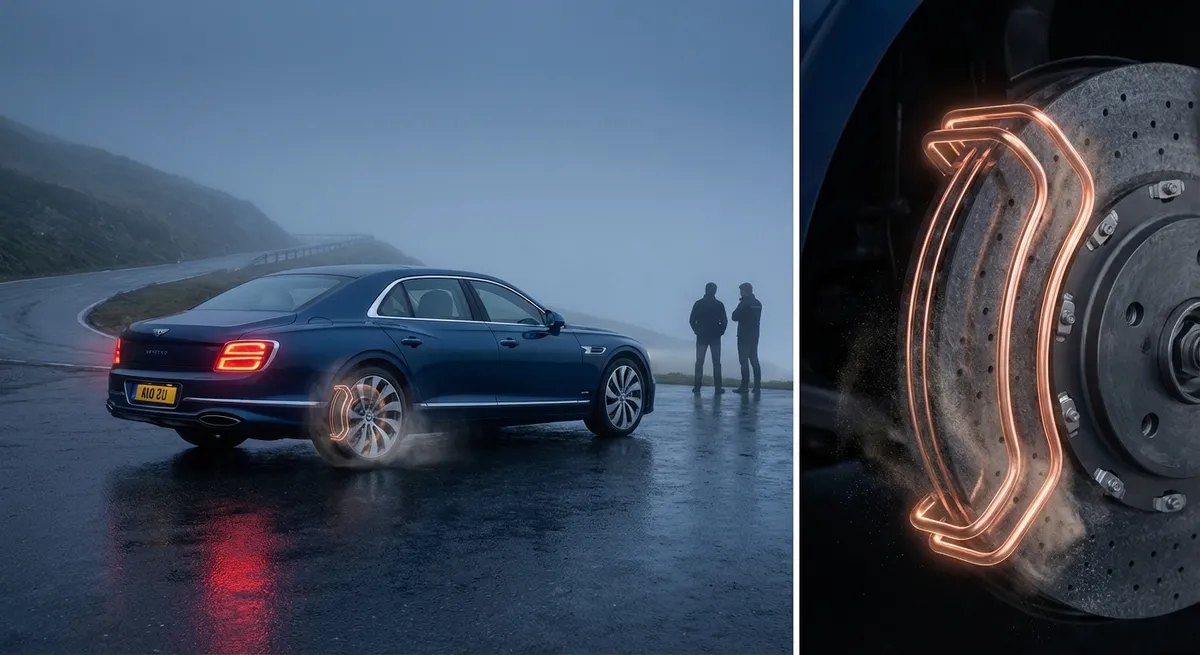
- After a long or high‑speed stop, allowing gentle rolling whenever safe, rather than keeping the brake firmly clamped on very hot rotors—which can contribute to pad imprinting and uneven rotor thickness over time.
You are not simply “using” the brake system; you are partnering with it. The most advanced brake components cannot fully compensate for chronic, aggressive, last‑second braking. Conversely, a composed, anticipatory driving style allows even a standard system to operate with exceptional consistency and quiet grace.
Integrating Brake Care into a Refined Ownership Experience
Elevated brake safety is not about obsessing over parts or chasing performance statistics. It is about intentionally preserving the calm, predictable stopping ability that allows you—and your passengers—to move through the world with quiet assurance.
When you:
- Treat inspections and fluid service as part of a regular safety ritual,
- Listen to small changes in pedal feel and brake sound,
- Demand meticulous workmanship, not just part replacement, and
- Align your driving style with the strengths of your brake system,
you transform brake maintenance from a reactive chore into a central pillar of a well‑managed vehicle.
The result is simple, yet profound: each stop feels composed, controlled, and unremarkable—in the best possible way. In an environment where the unexpected is always possible, that kind of unremarkable, repeatable stopping is one of the most sophisticated luxuries you can engineer into your daily drive.
Sources
- [National Highway Traffic Safety Administration (NHTSA) – Brake Safety](https://www.nhtsa.gov/equipment/brakes) – Overview of brake system safety, recalls, and regulatory guidance
- [U.S. Department of Transportation – Brake Systems for Passenger Cars](https://www.transportation.gov/mission/safety) – Federal safety mission and resources, including braking system considerations
- [University of California, Berkeley – Brake System Fundamentals (ME Lab Notes)](https://me.berkeley.edu/) – Mechanical engineering perspectives on braking forces, friction, and heat (via departmental resources)
- [Continental Automotive – ABS and ESC Technical Overview](https://www.continental-automotive.com/en-us/Passenger-Cars/Brake-Systems/Advanced-Braking-Systems) – Detailed explanations of ABS, brake control, and stability systems from a major OEM supplier
- [Brembo – Brake Fluid and Performance Insights](https://www.brembo.com/en/company/news/brake-fluid-what-it-is-and-when-to-change-it) – Technical discussion of brake fluid properties, maintenance intervals, and performance implications
Key Takeaway
The most important thing to remember from this article is that this information can change how you think about Brake Systems.