For drivers who value composure as much as capability, the quality of your brake repair is non‑negotiable. It is not simply about “fixing” a component; it is about preserving the car’s character, its safety envelope, and the confidence you feel every time traffic compresses unexpectedly. This guide is designed for owners who insist on more than basic service—those who want to understand how refined, well‑informed decisions about brake repair translate directly into quieter stops, shorter distances, and a calmer, more controlled driving experience.
Understanding Brake Repair as a System, Not a Part Swap
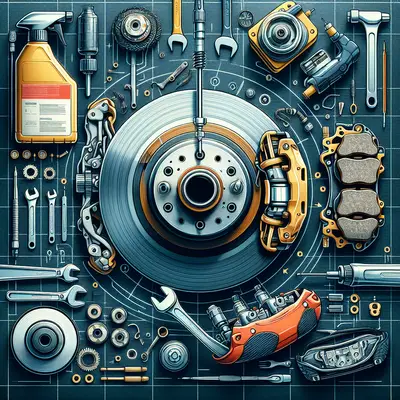
Most brake repairs are presented as a menu item: pads, rotors, perhaps fluid. In reality, your braking performance is the product of an entire system working in concert—pads and rotors, calipers, hydraulic lines, fluid, wheel bearings, tires, and even suspension geometry. When one element is neglected, it quietly undermines the sophistication of the whole.
A premium approach begins with a proper evaluation, not a price quote. A skilled technician will measure rotor thickness and runout rather than guessing, inspect pad wear patterns for alignment or caliper issues, verify that slide pins move freely, and check for uneven tire wear or suspension play that could mask itself as a “brake” complaint. This deeper inspection often reveals early‑stage problems—slightly seized caliper pistons, aging rubber hoses, or contaminated fluid—that standard pad-and-rotor jobs simply ignore. By treating the brakes as an integrated safety system rather than an isolated component, you protect both stopping performance and long‑term reliability.
Five Exclusive Insights for Owners Serious About Brake Safety
For drivers who demand more than ordinary service, the following insights elevate brake repair from routine maintenance into a deliberate safety strategy. Each one reflects practices that are often overlooked in everyday shops, yet make a measurable difference in how your car stops and feels.
1. Specify Brake Components That Match Your Driving Environment
Not all brake pads and rotors are engineered for the same conditions. City‑heavy driving, frequent highway descents, and occasional track use each place different demands on materials and temperature tolerance. A refined repair strategy begins with an honest assessment of where and how you drive—dense urban commutes, high‑speed interstate travel, mountain roads, or heavy‑load towing.
For example, high‑friction performance pads may offer superb stopping power when hot but can be noisy, dusty, and less effective when cold in everyday traffic. Conversely, premium ceramic pads deliver quiet operation and low dust, but may not be ideal for repeated high‑speed braking with heavy vehicles. Even rotor design matters: vented vs. solid rotors, or using slotted and drilled patterns where appropriate, can influence cooling and fade resistance. Partner with a shop willing to discuss compound choice rather than defaulting to the cheapest part. By aligning components with your actual usage, you create brakes that feel composed, predictable, and effective in the conditions you encounter most.
2. Demand a Brake Fluid Strategy, Not Just a Top‑Off
Brake fluid is one of the most understated elements of brake safety. Because it is hygroscopic—it absorbs moisture from the air—its performance degrades over time, increasing the risk of vapor lock and a soft pedal under heavy braking. Many shops will quietly “top off” the reservoir without discussing the age, type, or condition of the fluid itself.
A safety‑focused owner treats brake fluid like a critical performance component, not an afterthought. That means requesting a fluid test or at least a documented replacement interval, typically every two to three years for conventional DOT 3 or DOT 4 fluid, and more often in humid climates or demanding driving. Ask your technician to specify the exact fluid specification recommended by your manufacturer, particularly with vehicles that use higher‑temperature formulations or have advanced stability control systems. A complete flush and bleed, performed correctly, not only restores pedal firmness but also protects expensive components like ABS modules and calipers from internal corrosion. The result is a pedal that feels consistently firm and reassuring, even when you need it most.
3. Insist on Proper Bedding‑In Procedures After New Pads and Rotors
The first 100–300 miles after a brake repair are more important than most owners realize. New pads and rotors need a carefully controlled break‑in, known as bedding‑in, to establish an even transfer layer of pad material onto the rotor surface. When done correctly, this process reduces noise, improves initial bite, and enhances consistency under repeated stops. When ignored, it can lead to vibration, glazing, or uneven rotor deposits that feel like warped rotors long before their time.
A premium brake repair should include clear, written guidance on post‑service driving: how aggressively to brake, what speeds to use initially, and how long to allow the brakes to cool between moderate stops. Some shops will perform an initial bedding sequence for you on a safe test route, then outline the driving approach you should follow. This attention to detail transforms new brakes from “installed parts” into a properly tuned system tailored to your car. If your shop cannot explain how they approach bedding‑in, you are not receiving the highest standard of brake care.
4. Evaluate the “Invisible” Components: Hoses, Hardware, and Calipers
When pads and rotors are replaced without inspecting the less glamorous hardware, the repair becomes cosmetic rather than truly restorative. Rubber brake hoses can internally deteriorate, acting like check valves that cause drag or uneven braking. Caliper slide pins can seize subtly, leading to tapered pad wear and increased stopping distances long before any warning lights appear. Anti‑rattle clips and shims, if corroded or missing, invite squeaks and vibrations that no premium pad can fully mask.
An elevated repair guide for your car includes these invisible elements as standard, not optional extras. Ask your technician whether they clean and lubricate slide pins with high‑temperature brake grease, replace rusted hardware, and visually inspect hoses for cracking, bulges, or leaks. In regions with road salt, insist on a careful examination of the caliper pistons and brackets for corrosion. Replacing a marginal hose or servicing a sluggish caliper during a brake job is far more cost‑effective—and safer—than returning later with a pulling sensation or overheated wheel. This is the difference between “new brakes” and truly renewed braking confidence.
5. Integrate Brake Health With Tire and Suspension Condition
Your brakes can only work as well as the tires and suspension that transmit their force to the road. A meticulously executed brake repair loses much of its elegance if paired with hardened, under‑inflated, or mismatched tires, or with worn suspension components that compromise stability and weight transfer under braking.
During your next brake service, treat a tire and suspension review as part of the same safety conversation. Request that the shop documents tire age, tread depth across the contact patch, and any signs of uneven wear that might indicate alignment or suspension concerns. Subtle play in ball joints, control arm bushings, or wheel bearings can rob your brakes of the crisp, linear response that discerning drivers expect. Addressing these complementary systems doesn’t just shorten stopping distances; it refines the entire feel of the car under emergency maneuvers, keeping the vehicle composed when evasive steering and hard braking happen simultaneously. True brake safety is never isolated—it is built on the harmony of all these elements together.
How to Choose a Repair Shop That Matches Your Standards
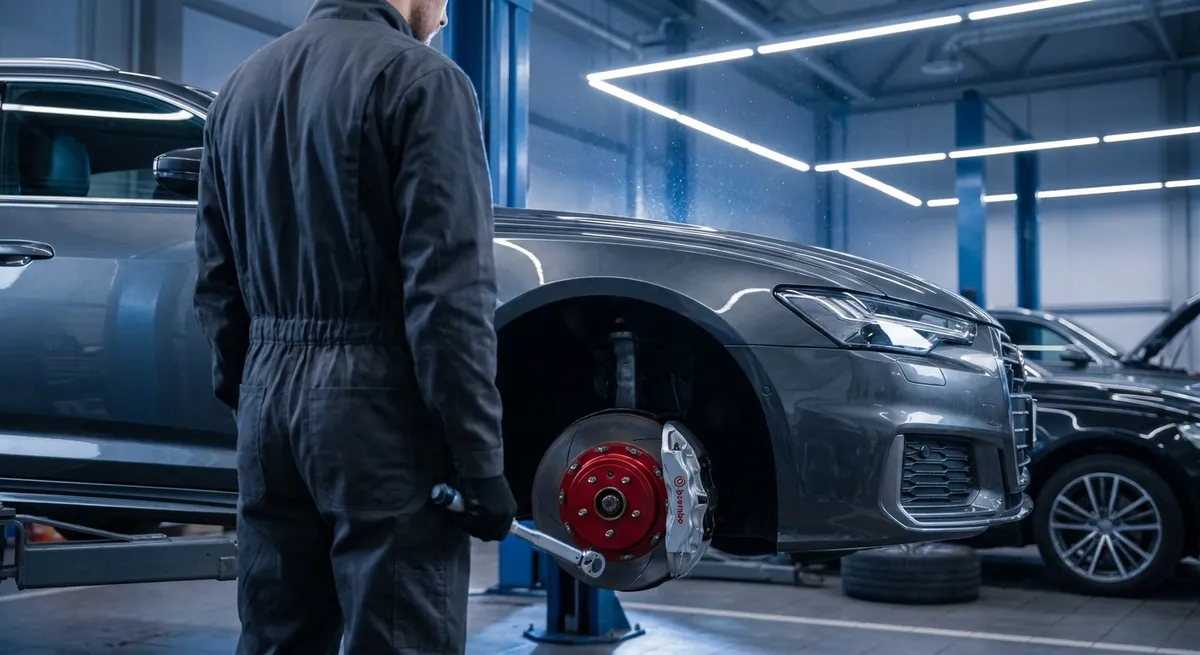
Translating these insights into practice requires a brake specialist who appreciates detail. Seek out shops that use torque wrenches on lug nuts rather than impact guns alone, log measurements like rotor thickness and minimum specifications on your invoice, and are comfortable discussing pad compounds and fluid types without resorting to jargon. A facility that regularly services high‑end or performance vehicles often already uses the processes that benefit any safety‑conscious owner.
When consulting with a shop, ask pointed yet polite questions: How do you test brake fluid? What is your bedding‑in procedure? Do you measure rotor runout and thickness before deciding to resurface or replace? How do you document caliper and hose condition? The quality of the answers—and the patience with which they are delivered—often tells you as much as the tools in the bay. A premium brake experience is less about marble floors in the waiting area, and more about the precision of the work that brings your car to a halt.
Conclusion
Exceptional brake repair is not defined by a single part or a single visit. It is a philosophy—one that prioritizes measured evaluations, carefully chosen components, disciplined procedures, and respect for the way you actually drive. When you adopt this refined approach, every red light, sudden slowdown, or wet‑road surprise becomes an opportunity to appreciate how composed, quiet, and confident your car can feel under pressure.
For the owner who takes safety seriously, these details are not indulgences; they are safeguards. By applying the insights above and partnering with a shop that shares your standards, you transform brake service from a reluctant expense into a deliberate investment in control, comfort, and peace of mind.
Sources
- National Highway Traffic Safety Administration (NHTSA) – Brake System Basics – Overview of brake system components and their safety importance
- U.S. Department of Transportation – Choosing the Right Brake Fluid – Technical distinctions between common brake fluid types and their applications
- Federal Trade Commission – Auto Repair Basics – Guidance on selecting and working with repair shops as an informed consumer
- AAA – Understanding Brake Service – Consumer‑focused explanation of brake service procedures and why they matter
- University of Nebraska–Lincoln, Nebraska Transportation Center – Brake System Performance and Safety – Research report discussing brake performance factors and real‑world safety implications
Key Takeaway
The most important thing to remember from this article is that this information can change how you think about Repair Guides.