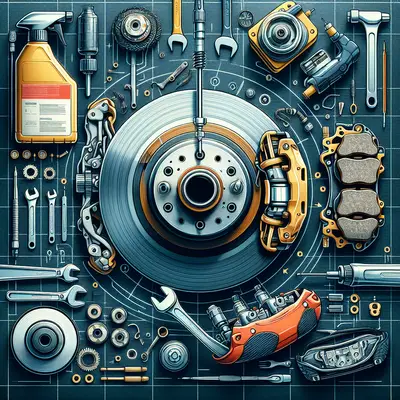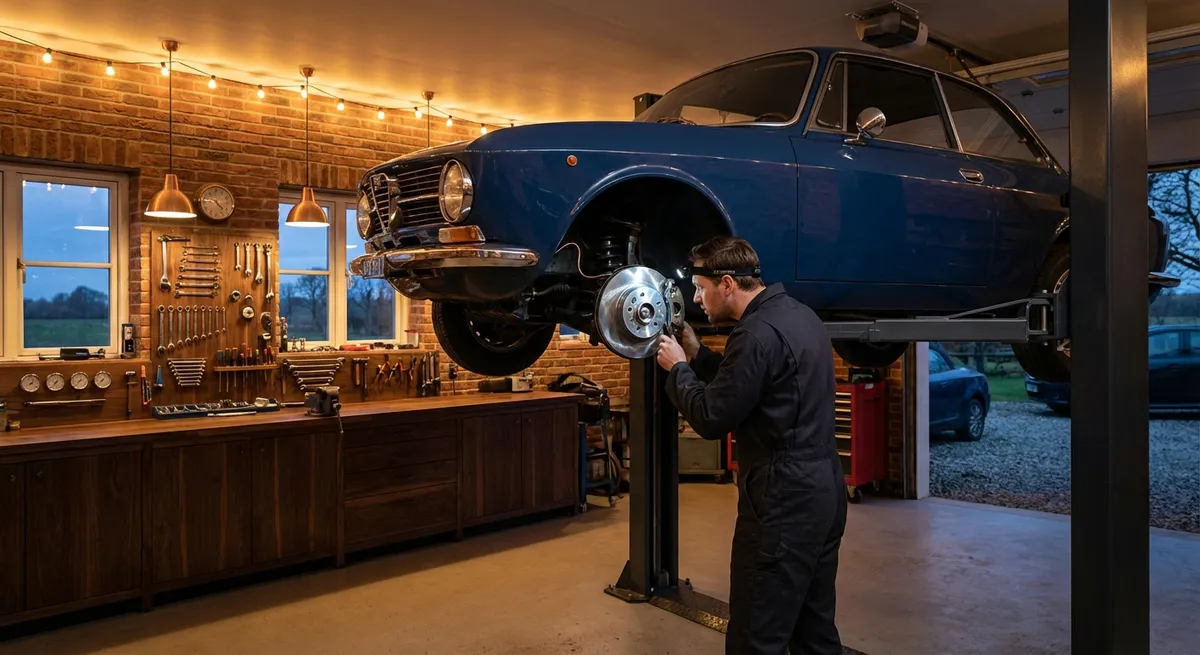
For drivers who expect more than “good enough” from their vehicles, brakes are not merely a safety feature; they are a statement of control, composure, and care. An impeccably maintained brake system transforms every deceleration—from a gentle glide to a firm emergency stop—into a demonstration of mechanical harmony. This guide is crafted for owners who value refined detail, immaculate performance, and the quiet assurance that their braking system has been treated with the same precision they demand from every other aspect of their life.
Beneath the surface of a standard brake job lies a more disciplined, almost ritualistic approach—one that respects engineering tolerances, thermal behavior, and long‑term reliability. What follows is a practical, repair-focused guide, elevated by five exclusive insights rarely discussed in everyday how‑to manuals, but deeply appreciated by safety‑conscious, discerning drivers.
Setting the Standard: Preparing for Precision Brake Work
Meaningful brake repair begins long before the first wheel is removed. The workspace itself should reflect the level of care you expect in the finished job. A flat, stable surface, quality jack stands, a calibrated torque wrench, and manufacturer-correct tools set the tone. High-quality components—OE or reputable premium aftermarket pads and rotors—are non-negotiable; mismatched or bargain parts can undo the most meticulous technique.
Reviewing the factory service manual or manufacturer repair guide ensures that your work aligns with original design intent, particularly regarding rotor thickness, runout, and torque specifications. Lay out all parts and tools in a logical sequence; this not only prevents contamination of friction surfaces but helps you maintain a structured workflow. Finally, consider your brake repair as part of a system-level inspection: tires, suspension, and steering geometry all influence how effectively your newly serviced brakes translate pedal input into controlled deceleration.
The Hidden Geometry of Safety: Brake Hardware and Contact Surfaces
Beyond pads and rotors lies the often-ignored architecture of clips, shims, and contact points. These components are the quiet custodians of precise, predictable braking. Pad abutment clips, anti-rattle springs, and caliper slide hardware ensure that braking force is transmitted smoothly and symmetrically. When neglected, they introduce uneven wear, noise, and compromised stopping performance—even if the visible parts are new.
Take time to thoroughly clean pad brackets and caliper slides with a dedicated brake cleaner, removing corrosion down to clean metal. Replace rusted or distorted hardware rather than trying to “make it work.” Apply a thin, disciplined layer of high-temperature synthetic brake lubricant only at designated contact surfaces—never on pad friction material or rotor faces. Properly aligned and lubricated hardware prevents pad drag, reduces operating temperatures, and preserves the crisp, linear brake response that discerning drivers notice immediately.
Thermal Discipline: Respecting Heat for Superior Brake Performance
Brakes are fundamentally thermal devices: they convert momentum into heat and then shed that heat into the atmosphere. Impeccable repair work therefore respects not only mechanical fit but also thermal behavior. Rotors with uneven thickness or excessive runout may feel acceptable in casual driving, but under repeated high-speed stops they introduce vibration, fade, and an unsettling loss of confidence.
Measuring rotor thickness at multiple points, checking runout with a dial indicator when possible, and comparing values to manufacturer specifications ensures you’re not building performance on a flawed foundation. Matching pad compound to driving style also matters: a quality street-centric pad will reach optimal friction at moderate temperatures, while more aggressive compounds may require higher heat to perform as designed. When bedding-in (or “burnishing”) new pads and rotors, follow a disciplined sequence of moderate stops to build an even transfer layer of pad material on the rotor face. This process dramatically influences pedal feel, noise, and long-term resistance to judder and glazing.
Exclusive Insight 1: The Pedal Pulse Test as a Precision Diagnostic
Most drivers think of ABS pulsing only during emergency stops, but the brake pedal is an exceptionally sensitive diagnostic instrument. After a careful repair, a controlled, low-speed “pedal pulse test” can reveal subtle issues that visual inspection might miss.
On a quiet, straight road, perform several smooth stops from neighborhood speeds, paying close attention to pedal feedback. A gentle, rhythmic pulsing can indicate rotor runout or thickness variation beginning to manifest under real load—even if measurements were borderline acceptable. A slightly sinking pedal under constant pressure can hint at internal master cylinder wear or a small hydraulic leak not yet visible externally. Cultivating this sensitivity to pedal feedback allows you to detect issues weeks or months before they become obvious problems, preserving both safety and refinement.
Exclusive Insight 2: The Caliper Reset Ritual for Symmetry and Control
When replacing pads, many DIY and even professional repairs focus on pushing caliper pistons back and installing new parts. A more refined method treats caliper reset as a deliberate, symmetrical process. Before compression, inspect the piston dust boots for micro-tears or hardened edges—early signs of contamination risk. Use a proper piston compressor tool or a large C-clamp with a flat plate, applying slow, even pressure to avoid twisting or binding.
If the vehicle has multiple pistons per caliper, compress them incrementally and in pairs, monitoring for any that lag or resist. A slow, uniform reset helps ensure that piston seals re-seat properly and that each piston contributes evenly when brakes are applied. This seemingly minor ritual reduces the likelihood of post-repair pull, uneven pad imprinting on the rotor, and the subtle steering wheel wander that can arise from asymmetric braking.
Exclusive Insight 3: Fine-Tuning Brake Bias Through Thoughtful Component Choice
Brake bias—the distribution of braking force between front and rear—is engineered carefully by manufacturers, but component selection during repairs can subtly shift this balance. While major changes should never be made without expert analysis, refined choices can preserve the intended feel and stability of the car.
Staying consistent with pad friction characteristics front and rear avoids unintended changes to handling during hard braking. Mixing aggressive front pads with soft rear pads, for example, may increase initial bite but can lengthen stopping distances and increase the risk of front-wheel lockup on lower-traction surfaces. When replacing rotors, maintain original dimensions and venting style unless you have manufacturer-approved upgrades. This mindful pairing of components respects the original brake bias, maintaining predictable, confidence-inspiring stopping behavior in both dry and adverse conditions.
Exclusive Insight 4: The Quiet Science of Clean Fluid and Line Integrity
Brake fluid is one of the least glamorous, yet most critical, elements of a sophisticated brake repair. Because it is hygroscopic—absorbing moisture over time—it gradually loses its ability to resist boiling under heavy braking. For drivers who value consistency and safety, fluid condition should be treated as a performance parameter, not an afterthought.
During any significant brake repair, inspect fluid for discoloration and check for signs of corrosion at bleeder screws and line fittings. A measured, methodical brake fluid flush using the correct DOT specification fluid for your vehicle restores the crisp, firm pedal that inspires confidence. While bleeding, observe the rate of flow and the presence of micro-bubbles; irregularities can hint at internal line degradation or minor air leaks. A clear, bubble-free stream at each caliper is your confirmation that the hydraulic system is operating with the precision you expect from a premium braking setup.
Exclusive Insight 5: Establishing a Personal Brake Health Baseline
The most refined brake maintenance practice is not a tool or a part—it is a personal reference standard. After performing a precise brake repair, intentionally document the system’s condition at its best: pedal travel distance, pedal firmness, noise characteristics, stopping distance feel, and even rotor and pad measurements. Note the quality of the initial bite, the progression of pedal force, and how the vehicle behaves under both light and firm deceleration.
This becomes your private baseline. Every few months, revisit these characteristics: has pedal travel increased? Has a faint noise appeared during the last few feet before a stop? Does the steering wheel register the slightest vibration under moderate braking? Comparing present behavior against your established “perfect state” allows you to detect microscopic deviations early, scheduling maintenance while issues are still subtle, safe, and less costly to correct. In practice, this transforms brake care from reactive repair into an ongoing, elevated standard of mechanical stewardship.
Conclusion
A truly exceptional brake repair is not defined solely by new parts or the absence of obvious faults; it is characterized by balance, symmetry, and a quiet, unwavering confidence every time you touch the pedal. By approaching brakes as a precision system—not just a set of components—you honor the engineering behind your vehicle and protect what matters most: control, safety, and composure under pressure.
The precision brake ritual outlined here, enriched by five exclusive insights, offers a path beyond ordinary maintenance. It allows you to transform routine brake service into a disciplined practice that preserves refined driving dynamics and ensures that, in any situation, your vehicle’s ability to stop is as impeccable as its ability to go.
Sources
- National Highway Traffic Safety Administration (NHTSA) – Brakes and Safety – Overview of brake system safety, component roles, and federal safety considerations.
- U.S. Department of Transportation – Brake System Inspection Guidance (FMCSA) – Technical guidance on brake inspection standards and criteria for safe operation.
- SAE International – Brake System Fundamentals – Technical discussion of brake operation, heat management, and performance considerations.
- AAA – Car Brake System Basics and Maintenance – Consumer-focused explanation of brake components, wear, and proper maintenance practices.
- MIT – Vehicle Braking Lecture Notes (Mechanical Engineering) – Educational material covering braking forces, weight transfer, and stopping performance principles.
Key Takeaway
The most important thing to remember from this article is that this information can change how you think about Repair Guides.