A well-mannered vehicle does not simply come from a powerful engine or a sculpted silhouette; it emerges from the quiet assurance that, when it matters, the car will halt with precision and grace. Nowhere is this more evident than in the condition of your braking system. Thoughtful brake maintenance is less about reacting to problems and more about cultivating a refined routine—one that preserves performance, protects your investment, and elevates every drive into something calmly predictable.
Below are five exclusive, detail‑driven insights designed for drivers who view brake safety as an integral part of a sophisticated ownership experience.
Elevating Brake Fluid from Afterthought to Central Safeguard
For many owners, brake fluid is invisible—tucked away under the hood, rarely checked, and almost never questioned. Yet this clear or lightly amber liquid is the backbone of every confident stop. Over time, brake fluid absorbs moisture from the air, lowering its boiling point and increasing the risk of vapor formation under heavy braking. The result can be a soft, spongy pedal and diminished stopping power precisely when you need it most.
A refined maintenance approach treats brake fluid as a scheduled essential rather than an emergency fix. Reviewing your owner’s manual for the manufacturer’s interval—often every 2–3 years or at specified mileage—and then proactively replacing the fluid keeps the system operating as engineered. For demanding driving conditions, such as frequent mountain descents or spirited highway use, shorter intervals may be appropriate. Visually inspecting fluid color at every oil change (without introducing contaminants) provides an early warning: dark or murky fluid signals it is time to refresh. By prioritizing the unseen, you sustain a brake system that feels consistent, firm, and trustworthy miles before any obvious symptoms appear.
Listening to Brake Feel, Not Just Brake Noise
Most drivers only react once brakes begin to squeal, grind, or shudder. A more discerning owner, however, pays attention to the subtleties long before the first sound emerges. The position of the pedal, the weight required to slow the car, and the immediacy with which the vehicle responds all reveal the condition of your braking system.
A pedal that slowly sinks at a stoplight, for instance, can suggest a hydraulic issue—even if no warning light is illuminated. A higher-than-normal pedal can indicate uneven pad wear or a sticking caliper. Slight vibration under light braking may hint at early rotor irregularities well before they become dramatic steering-wheel shake. Building a mental “baseline” of how your car feels when freshly serviced allows you to notice deviations almost instinctively. Documenting these impressions—after new pads, fresh fluid, or resurfaced rotors—creates a personalized reference that turns your driving feel into an early diagnostic tool. It is a quiet, almost artisanal approach to maintenance: trusting your refined perception of the vehicle in motion.
Curating Your Driving Style to Extend Brake Life
Premium brake maintenance is not only what happens in the workshop; it is also how you drive between appointments. Gentle, anticipatory driving habits markedly reduce heat, wear, and stress on every component of the braking system. Instead of rushing to the next red light and relying on heavy, last‑second braking, cultivating longer sightlines and smoother deceleration can dramatically extend pad and rotor life.
Using engine braking responsibly—downshifting in appropriate situations rather than riding the brakes on long descents—limits excessive heat buildup and helps prevent brake fade. Maintaining a greater following distance not only enhances safety but allows you to brake progressively rather than abruptly. Even how you park matters: resting with the transmission in gear (for manual vehicles) or properly set in “Park” with the parking brake engaged on appropriate surfaces minimizes stress on the parking pawl and supports system balance. The result is a vehicle that feels composed, stops more predictably, and preserves its components with the same care you’d expect in a well-maintained timepiece.
Treating Brake Components as a Matched Ensemble, Not Isolated Parts
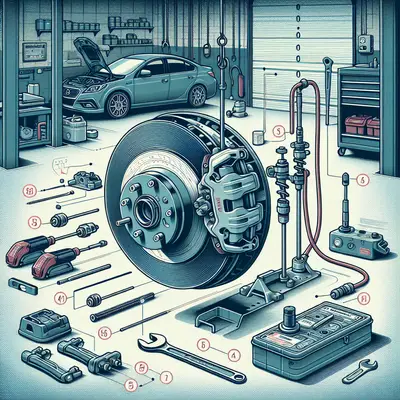
A sophisticated approach to brake maintenance recognizes that pads, rotors, calipers, hoses, and fluid do not operate as independent pieces—they function as a carefully tuned system. Replacing only the visibly worn component may appear economical in the short term, but it can compromise both performance and longevity.
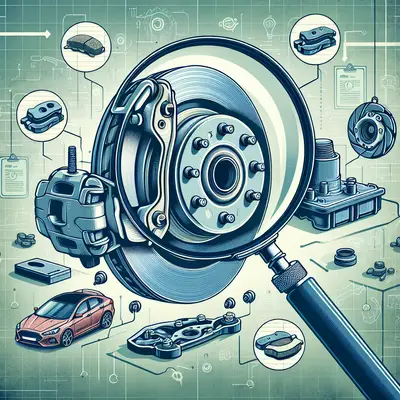
When pads are replaced, assessing rotor thickness, runout (wobble), and surface condition matters just as much. Installing new pads on glazed, grooved, or out‑of‑spec rotors can lead to uneven bedding, noise, and premature wear. Similarly, ignoring aging rubber hoses or corroded metal lines while upgrading pads and rotors can undermine the consistency of your pedal feel. During any significant brake service, a thorough inspection should include caliper slide pins, dust boots, hardware clips, and even the condition of the wheel bearings that support the rotors.
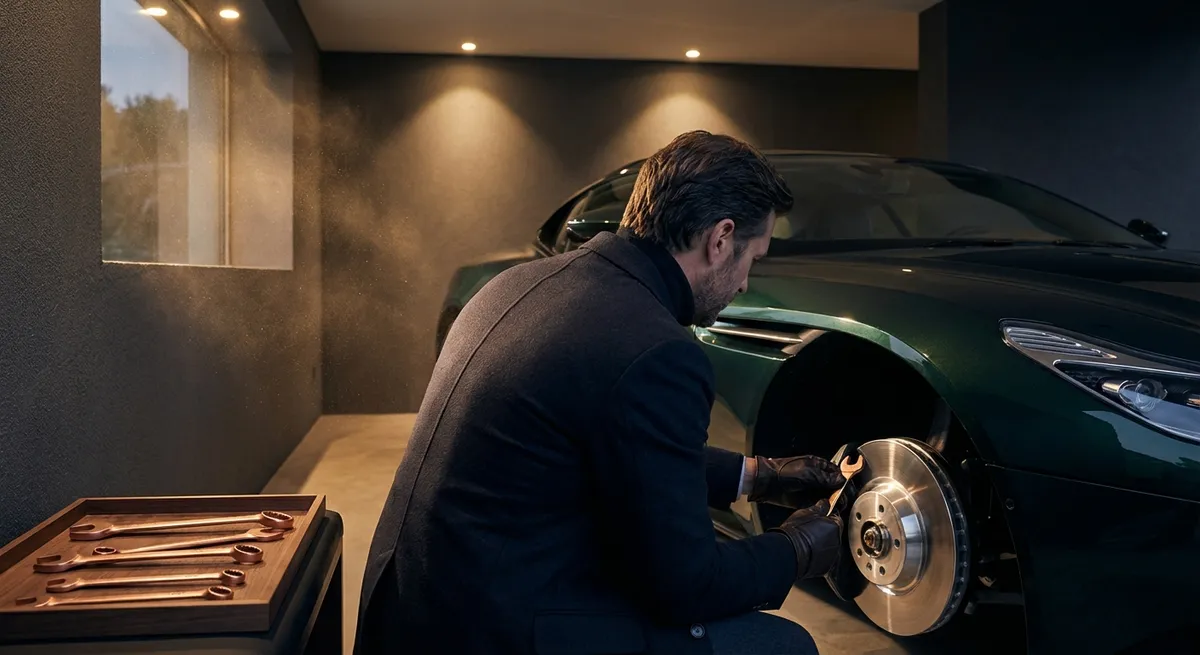
The seasoned owner views each service as an opportunity to restore harmony across the entire brake system. Thoughtful choices—such as selecting pad compounds suited to your driving style, or rotors engineered for your vehicle’s weight and use—transform the result from a basic repair into a curated setup that feels composed, linear, and confidence‑inspiring in all conditions.
Integrating Brake Care into a Wider Safety Ecosystem
Brakes do not operate in isolation; they are part of a broader ecosystem that includes tires, suspension, alignment, and modern safety electronics. Even the most advanced brake system is only as effective as the grip offered by the tires and the stability managed by the suspension.
A premium maintenance routine, therefore, evaluates tire condition and pressure alongside brake inspections. Underinflated or unevenly worn tires compromise stopping distances and can make even excellent brakes feel inadequate. Likewise, worn shocks or struts allow excessive weight transfer under braking, lengthening stopping distances and reducing stability, particularly in emergency maneuvers. For vehicles equipped with ABS, electronic stability control, and advanced driver-assistance systems, ensuring sensors are clean, properly calibrated, and free from fault codes preserves the sophisticated engineering built into the car.
By viewing brake service as part of a complete safety portfolio—aligned tires, healthy suspension, modern electronics, and quality friction materials—you elevate your vehicle from merely functional to truly confidence‑inspired. The objective is not just to stop, but to stop with predictability and elegance, regardless of the scenario.
Conclusion
Refined brake maintenance is not dramatic; it is quietly intentional. It shows up in clear, fresh brake fluid rather than urgent warning lights, in consistent pedal feel instead of last‑minute panic, and in a driving style that preserves components rather than punishes them. By elevating your expectations—from a simple “fix it when it fails” mindset to a polished, anticipatory routine—you transform your braking system into a silent partner in every journey.
For the discerning driver, this is the true luxury: not just owning a capable vehicle, but knowing that each stop, from casual city drives to sudden highway slowdowns, is backed by a brake system maintained with precision, foresight, and respect for the engineering behind every calm, controlled halt.
Sources
- [NHTSA – Brakes and Brake Systems](https://www.nhtsa.gov/equipment/brakes) - U.S. government guidance on brake system safety and performance considerations
- [Car and Driver – Brake Fluid Flush Explained](https://www.caranddriver.com/features/a26590601/brake-fluid-flush/) - In-depth discussion of why brake fluid maintenance is essential and how intervals are determined
- [AAA – Brake System Inspection and Maintenance](https://exchange.aaa.com/automotive/automotive-trends/maintenance-repair/brake-system/) - Overview of recommended brake inspection practices for everyday drivers
- [University of Nebraska – Vehicle Braking and Stopping Distance](https://engineering.unl.edu/vehicle-braking-and-stopping-distance/) - Technical explanation of how various factors affect braking performance and stopping distance
- [Bridgestone – How Tires Impact Braking Distance](https://www.bridgestonetire.com/learn/maintenance/how-tires-impact-braking-distance/) - Detailed look at the relationship between tire condition, grip, and effective braking
Key Takeaway
The most important thing to remember from this article is that this information can change how you think about Maintenance.