For the discerning driver, true confidence on the road is measured not in horsepower, but in the precision of the stop. Today’s brake systems are no longer simple mechanical devices; they are intelligent, layered safety networks designed to anticipate, adapt, and protect. Understanding how they work—and how to care for them—elevates you from a passive owner to an informed steward of your vehicle’s most critical safety system.
This refined overview explores how contemporary brake systems think, react, and communicate, and offers five exclusive insights that safety‑focused owners rarely hear in a typical service lane conversation.
The Modern Brake System: More Than Pedal and Pad
What appears, from the driver’s seat, as a simple press of a pedal is in fact the opening act of a complex orchestration of mechanical, hydraulic, and electronic decisions.
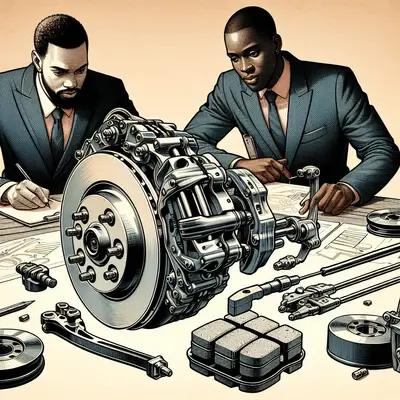
At the core is the hydraulic brake system: your foot applies force to the pedal, the master cylinder converts that force into hydraulic pressure, and brake fluid transmits it to calipers or wheel cylinders at each corner. Calipers clamp pads against rotors (or shoes against drums), converting kinetic energy into heat and, ultimately, a controlled stop.
Layered onto this are advanced systems such as Anti-lock Braking Systems (ABS), Electronic Brakeforce Distribution (EBD), and stability control. These systems measure wheel speed, driver input, and vehicle behavior hundreds of times per second, subtly adjusting brake pressure where it is needed most. In premium vehicles, you may also find brake assist functions that recognize panic stops and apply maximum pressure faster than a human could.
In hybrid and electric vehicles, regenerative braking adds another layer. Here, the electric motor works as a generator, slowing the car while converting motion into electrical energy. The friction brakes still stand ready, engaging seamlessly to provide additional stopping power or to take over entirely when needed. Whether your car is traditional, hybrid, or fully electric, the brake pedal you touch is a gateway to a highly coordinated safety architecture.
How Brakes Think: Electronics Behind Every Confident Stop
The sophistication of a modern brake system lies in its ability to interpret intent and conditions—not simply execute commands. Wheel-speed sensors feed the ABS controller with real-time data; if any wheel begins to lock under hard braking, the system rapidly pulses hydraulic pressure to that wheel to maintain grip. To the driver, this feels like a subtle vibration or pulsation at the pedal, but underneath is an algorithm protecting traction and steering control.
Electronic Brakeforce Distribution quietly compensates for changing loads—passengers, luggage, or a trailer—by varying the pressure front-to-rear and side-to-side. This ensures the car remains poised, reducing nose-dive and enhancing stability in evasive maneuvers. In premium models, integrated chassis systems coordinate braking with suspension and steering, smoothing out the dynamic response.
Advanced driver assistance systems (ADAS), such as automatic emergency braking, further extend the intelligence of the brake network. Cameras, radar, and sometimes lidar monitor what lies ahead, ready to apply the brakes if a collision appears imminent and the driver has not responded adequately. These systems rely on the integrity of every component—from fluid condition to pad thickness. A brilliantly engineered safety suite can be compromised by neglected maintenance, emphasizing the importance of treating brake care as a precision discipline, not a routine errand.
Five Exclusive Insights for Brake-Safety Perfectionists
Beyond the standard advice of “replace pads before they wear out” lies a more refined layer of knowledge—insights that appeal to drivers who expect their vehicles to match their own standards of care and attention.
1. Pedal Feel Is a Language—Learn to Read Its Dialect
Most owners notice only extremes: a very soft pedal or a very hard one. But nuanced changes in pedal feel are often the first whisper of a developing issue.
A gradually softening pedal can indicate minor air intrusion, fluid degradation, or an early internal leak in the master cylinder. A pedal that becomes firmer and more abrupt over time may result from glazed pads or rotors, or from mismatched friction materials with too aggressive a cold bite. A slightly “grainy” or uneven feedback under light braking can hint at rotor thickness variation long before it is measurable with basic tools.
Treat your pedal as an instrument. Notice where in its travel the brakes begin to bite, and how consistently. If that personality shifts—even subtly—consider it a prompt to have the system inspected before warning lights or noises appear.
2. Brake Fluid Age Matters as Much as Mileage
Brake fluid is hygroscopic, meaning it absorbs moisture from the air over time. Even in low-mileage vehicles, moisture can accumulate sufficiently to lower the fluid’s boiling point and promote internal corrosion within calipers, lines, and the ABS module.
While many manufacturers recommend fluid changes every 2–3 years, safety-focused owners often benefit from a more disciplined interval, especially in humid climates or for vehicles that experience steep descents or spirited driving. Fresh fluid not only improves fade resistance under heavy braking but also helps preserve the longevity and precision of valves and seals inside ABS and stability control units.
An elegant preventative practice: ask your service provider to test brake fluid for moisture content or boiling point rather than relying solely on time or mileage. This introduces a data-driven approach to fluid maintenance, aligning with the engineering philosophy behind the system itself.
3. Rotor Quality and Finish Influence More Than Just Noise
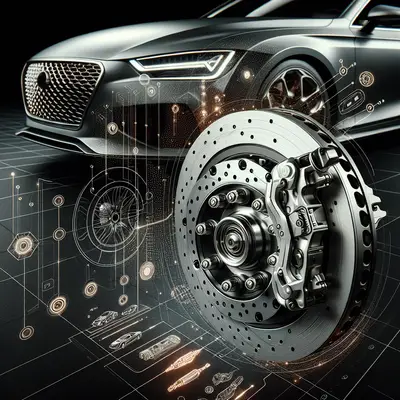
Rotors (or brake discs) are often treated as commodity parts, but their metallurgy, thickness consistency, and surface finish play a critical role in the tactile quality of braking and the stability of the vehicle under load.
High-quality rotors resist warping and uneven wear, reducing the risk of steering-wheel vibration and subtle pulsing at the pedal—issues that can undermine driver confidence even if overall stopping distance remains acceptable. The machining pattern on the rotor face influences pad bedding and noise characteristics; a uniform, fine finish allows the pad to establish an even transfer layer, which in turn provides consistent friction.
For premium vehicles or drivers who value refined behavior, it can be worth specifying rotors that meet or exceed original-equipment (OE) standards, rather than the least expensive aftermarket option. The result is not simply quieter brakes, but a more predictable, composed response during demanding stops.
4. Regenerative Braking Does Not Eliminate the Need for Friction Excellence
Owners of hybrid and electric vehicles sometimes assume their friction brakes are “barely used” due to regenerative braking—and therefore can be largely ignored. The reality is more nuanced.
Because friction brakes may engage less frequently, pads and rotors can actually be more susceptible to corrosion, especially in regions with road salt or sea air. Light, infrequent use can allow a fine layer of rust or debris to accumulate, leading to uneven pad deposits, noise, or a slightly “grabby” feel when the friction system is called upon suddenly in an emergency.
A sophisticated maintenance approach for electrified vehicles includes periodic deliberate use of friction braking—such as a few firm, controlled stops in a safe environment—to clean rotor surfaces, along with regular inspections even when mileage is low. For owners who expect top-tier braking performance at any moment, this habit preserves the seamless, confident transition between regenerative and friction braking.
5. Environmental and Driving Context Should Direct Your Brake Strategy
Two cars with identical odometer readings can have dramatically different brake health depending on their environment and usage. Urban stop‑and‑go driving can wear pads faster but may keep rotors cleaner. Long highway commutes can preserve pad material while allowing rust to form on unused rotor areas. Mountainous routes create heat stress; coastal living introduces corrosion; track days or spirited canyon drives can accelerate wear dramatically.
A refined brake care plan, therefore, is personalized rather than generic. If you regularly descend steep grades, for instance, you might prioritize higher‑temperature‑resistant pads and more frequent fluid changes. If you drive infrequently but store your car in a damp environment, you might schedule more frequent visual inspections and occasional “exercise” drives to keep the system active and clean.
Treat your local climate and driving style as essential inputs, not afterthoughts. When discussing service, share these details; a skilled technician can then tailor recommendations to your real world, not a theoretical average.
Elevating Brake Maintenance from Routine to Ritual
For drivers who value composure, precision, and safety above spectacle, the brake system deserves attention equal to—if not greater than—that given to engines, electronics, or interiors. The true luxury is not merely owning a sophisticated vehicle, but knowing that its most important safety systems are performing exactly as their engineers intended.
By understanding how modern brake systems think, recognizing early subtle signals from pedal and rotor, respecting the role of brake fluid, and tailoring your care to your driving environment, you transform maintenance from a reactive chore into a proactive discipline. The reward is not only shorter stopping distances, but something less measurable and more valuable: the quiet assurance that, when it matters most, your vehicle will respond with the same calm precision you expect of yourself.
Sources
- National Highway Traffic Safety Administration (NHTSA) – Brakes – Federal safety information on braking systems and related regulations
- U.S. National Park Service – Brake Safety on Steep Grades – Practical guidance on brake use, heat, and fade during mountain driving
- Society of Automotive Engineers (SAE) Technical Paper: Brake Fluid Hygroscopicity – Research on how moisture affects brake fluid performance and system components
- Car and Driver – How Anti-lock Brakes Work – Accessible technical explanation of ABS function and benefits
- U.S. Department of Energy – Regenerative Braking – Overview of how regenerative braking operates in hybrid and electric vehicles and its impact on efficiency and braking behavior
Key Takeaway
The most important thing to remember from this article is that this information can change how you think about Brake Systems.