Even among attentive drivers, the brake system is often treated as a black box—press the pedal, the car slows, and the conversation ends. Yet for those who value composure, safety, and mechanical integrity, understanding how a brake system is engineered, how it ages, and how it communicates distress is a mark of genuinely refined ownership. This is not about becoming a technician; it is about developing a quiet fluency in the language of your car’s most important safety system.
Below, we’ll explore how a modern brake system truly works, and then move into five exclusive, practical insights that safety‑conscious owners can apply long before problems become urgent or expensive.
How a Modern Brake System Actually Creates a Confident Stop
When you press the brake pedal, you are initiating a carefully orchestrated transfer of force and heat management. The system’s elegance lies in how simply it feels to the driver—despite being a complex interplay of hydraulics, friction, and electronic control.
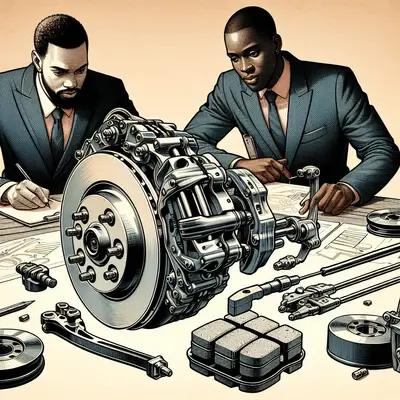
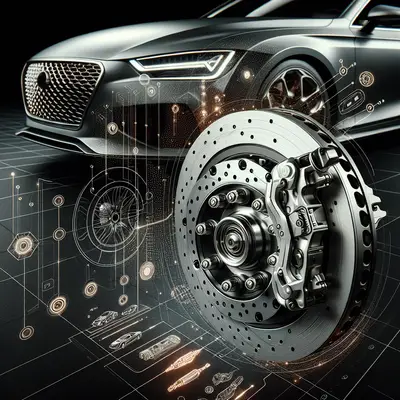
The journey starts at the pedal, where a lever multiplies your foot pressure and sends it to the master cylinder. Inside that cylinder, brake fluid converts your mechanical force into hydraulic pressure, distributing it to each wheel through dedicated lines. At the wheels, either brake calipers (for disc brakes) or wheel cylinders (for drum brakes) translate that pressure into clamping force on rotors or outward force on brake shoes, generating friction that converts kinetic energy into heat. Anti-lock braking systems (ABS) and, in many vehicles, electronic stability control then modulate this process in milliseconds, preventing wheel lockup and helping maintain steering control in demanding conditions. The apparent simplicity of a smooth stop is therefore the result of a well‑maintained ensemble of precisely matched components.
Five Exclusive Insights Safety‑Driven Owners Rarely Hear
Most advice about brakes stops at “replace your pads when they’re worn” or “listen for squealing.” For an owner who values meticulous safety and long‑term reliability, that’s barely the beginning. These five insights elevate your understanding well beyond the typical checklist.
1. Pedal Feel Is a Precision Instrument, Not Just a Comfort Feature
Many drivers focus on noise as their primary alert, but sophisticated owners treat pedal feel as an early‑warning gauge. A healthy system has a firm, predictable response: the pedal travels a consistent distance, builds resistance smoothly, and does not continue to sink under steady pressure.
A slowly softening pedal can indicate internal deterioration long before an obvious leak appears. Microscopic corrosion in steel brake lines, aging internal seals in the master cylinder, or trapped air from outdated or overheated fluid can all subtly change how the pedal behaves. If you notice that you’re pressing slightly farther than you did a few months ago—or if the pedal feels “spongy” or inconsistent from one stop to the next—that is an early‑stage safety concern, not a minor annoyance. A professional inspection at this point is not overcautious; it is the hallmark of disciplined ownership.
2. Brake Fluid Is an Aging Safety Asset, Not a Lifetime Component
Brake fluid is often treated as an invisible, permanent part of the car, but its chemistry is central to your ability to stop reliably. Most modern vehicles use glycol‑based fluids (DOT 3, DOT 4, or DOT 5.1), which are hygroscopic—they slowly absorb moisture from the environment. Over time, this absorbed water lowers the fluid’s boiling point, making it more vulnerable to “vapor lock” in hard or extended braking, where superheated fluid forms gas bubbles and dramatically reduces braking power.
For a safety‑minded owner, the service interval printed in the manual (often every 2–3 years) is a minimum, not a ceiling. Factors like coastal climates, frequent short trips, or towing can accelerate fluid degradation. A premium practice is to have the fluid’s boiling point tested during major services and to insist on a full flush rather than a simple top‑off. Clear, fresh fluid—typically with a pale amber hue—should be the standard you accept. Anything dark, murky, or contaminated is a direct threat to braking consistency under stress.
3. Rotors Are Structural Partners, Not Disposable Background Parts
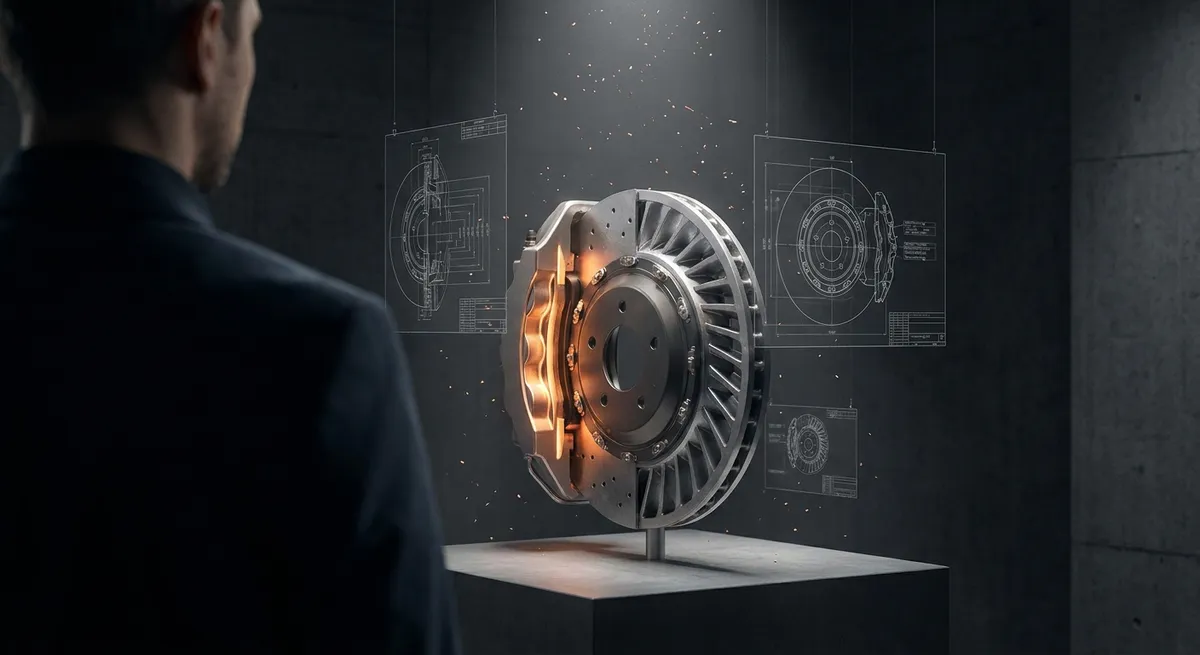
Brake pads tend to get all the attention, but rotors share equal responsibility for safe stopping. Their role isn’t just to provide a surface for the pads; it is to absorb and dissipate enormous amounts of heat both quickly and repeatedly. When rotors are neglected, warped, or worn below their safe thickness, even premium pads can’t fully compensate.
A rotor has a manufacturer‑specified minimum thickness stamped or cast into its surface. As rotors wear thinner, they are more prone to overheating, cracking, and warping, which in turn causes steering wheel vibration under braking, uneven pad wear, and longer stopping distances. The refined approach is to request the actual rotor measurements at each major brake service, not just a vague “they’re fine.” Rotors that are marginally above the minimum may technically pass inspection, but replacing them proactively, rather than waiting for distortion, preserves both comfort and safety. For vehicles frequently driven at highway speeds or on steep grades, treating rotors as primary components rather than disposable afterthoughts is a very deliberate safety choice.
4. Electronic Safety Systems Rely on Mechanical Excellence
Anti-lock brakes (ABS), electronic brakeforce distribution (EBD), and stability control systems have created an understandable confidence among drivers. However, these algorithms can only correct within the limits set by the underlying hardware. If your pads are glazed, the rotors are uneven, or one caliper is slightly sticking, the computer is doing its best with a compromised foundation.
For example, a single binding caliper can cause that wheel to run hotter, wear pads faster, and apply uneven braking force. The vehicle’s stability system will continuously compensate, masking the early symptoms—until it can’t. The sophisticated mindset is to treat any ABS or brake warning light as urgent, of course, but also to recognize that a system can be technically “online” while still operating below its designed potential. During inspections, ask explicitly about caliper slide lubrication, equal pad wear across all corners, and the condition of ABS wheel speed sensors and wiring. These details are where the quiet margin of safety lives.
5. Your Driving Style Is a Long‑Term Investment in Brake Health
Brake wear is not solely a function of mileage; it is a function of how and where that mileage is accumulated. Two identical cars can have dramatically different brake conditions at the same odometer reading based purely on driving style and environment.
From a premium safety perspective, refined braking habits serve two purposes: they protect components and preserve control. Anticipatory driving—lifting off the accelerator earlier, using engine braking when appropriate, and avoiding abrupt, repeated hard stops—keeps rotor temperatures lower and reduces pad glazing. Gently rolling out of speed rather than racing to each red light doesn’t just feel smoother; it physically extends the life and consistency of your brake system. Conversely, habitual late braking, frequent heavy braking on declines, or towing near maximum capacity without adjusting speed strategy will age even high‑quality components quickly. Viewing your driving style as a controllable variable in your brake system’s health is one of the most understated advantages a careful owner can wield.
Subtle Warning Signs That Deserve Immediate Respect
Many serious brake issues begin with only the most modest hints. A single pull to one side under braking, a faint pulse through the pedal, a very slight shudder at highway speeds, or a soft clunk when shifting between reverse and drive can each be the first visible edge of a deeper problem.
For the safety‑driven driver, the standard is simple: if the car’s behavior under braking changes, even subtly, it merits attention. Vibrations may indicate rotor thickness variation or uneven pad deposits. A gentle pull could signal a sticky caliper, contaminated pads, or an internal issue in a flexible brake hose. A metallic scrape, even if intermittent, should never be “monitored” over weeks; by the time the sound is obvious, you are likely well into metal‑to‑metal contact, with corresponding loss in performance and a steep increase in repair cost. Attending to these details early transforms brake maintenance from crisis management into calm, predictable stewardship.
Building a Personal Brake Safety Standard
Every vehicle comes with a factory‑issued standard of safety. The discerning owner goes further, creating a personal standard that addresses how the vehicle is truly driven, where it lives, and what level of risk is acceptable for their family and passengers.
That standard might include: scheduled brake fluid testing and flushing independent of mileage, documenting rotor measurements at each service, insisting on high‑quality, brand‑name components rather than the cheapest available option, and maintaining a simple log of observed changes in pedal feel, noise, or steering behavior under braking. None of these practices require mechanical expertise. They simply require intention—and they reward that intention with a brake system that is not just functional, but consistently poised and trustworthy.
Conclusion
A modern brake system is more than a set of pads and rotors; it is a precisely tuned safety architecture that quietly guards every journey. Understanding its inner workings and treating small changes as meaningful signals reshapes how you approach maintenance, cost, and peace of mind. By elevating your expectations—of both your components and your service standards—you create a margin of safety that is as refined as it is practical. The result is not only a shorter stopping distance, but a calmer, more confident relationship with the vehicle you rely on every day.
Sources
- U.S. National Highway Traffic Safety Administration (NHTSA) – Brakes - Overview of brake system safety, recalls, and regulatory standards
- Car Care Council – Brake System Overview - Consumer‑focused explanation of brake components and maintenance recommendations
- University of California, Berkeley – Physics of Braking - Educational material explaining the physics of braking, friction, and stopping distances
- Continental Automotive – Brake Fluid and ABS Information - Technical insights on brake fluid characteristics and their impact on safety systems
- AAA – Understanding Vehicle Braking Systems - Practical guide to how braking systems work and what signs indicate the need for service
Key Takeaway
The most important thing to remember from this article is that this information can change how you think about Brake Systems.