For discerning drivers, brake repair is not a grudging expense—it is a deliberate investment in control, composure, and peace of mind. The difference between “good enough” and truly exceptional brake work often hides in details that never appear on a basic invoice. This guide is designed for car owners who expect more: more transparency, more precision, and a higher standard of safety at every stop.
Looking Beyond the Pad: Why a True Brake Inspection Starts at the Hub
Most quick inspections begin and end with pad thickness. For a safety‑focused driver, that is the bare minimum—not the benchmark.
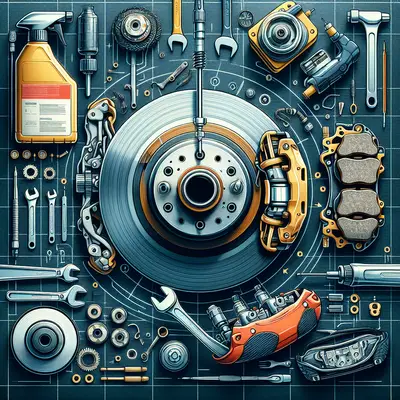
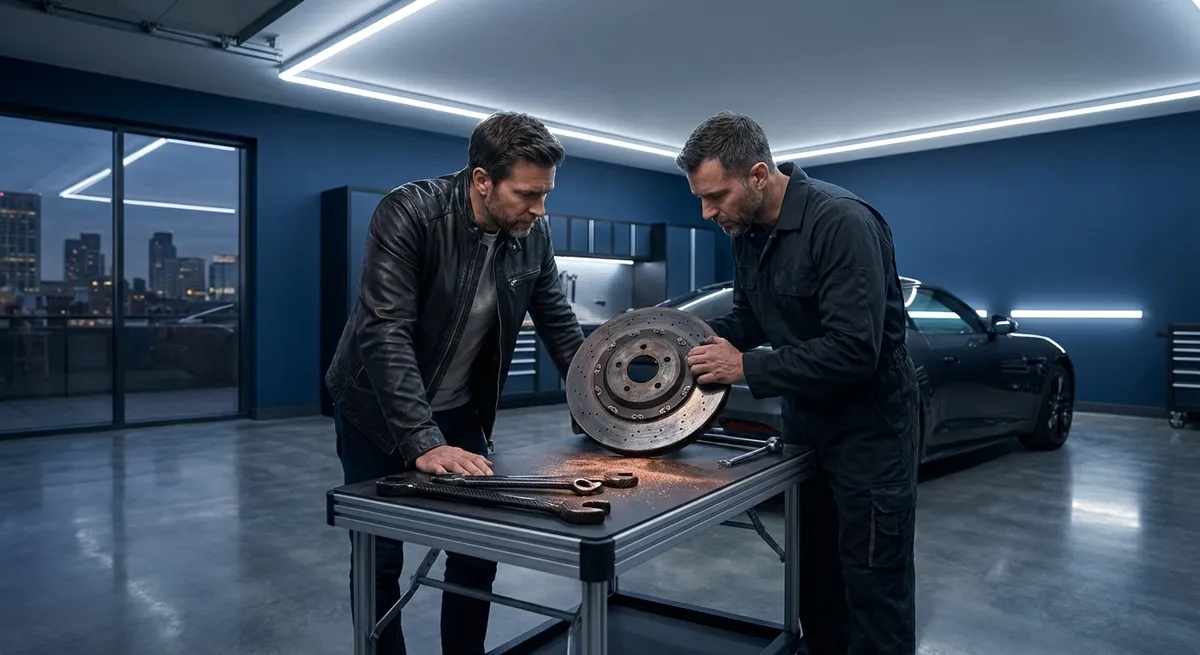
A refined brake evaluation starts with the hub surface and wheel bearings. Even a slightly corroded or uneven hub can prevent the rotor from sitting perfectly flat, introducing subtle runout (wobble) that later becomes pedal pulsation or premature pad wear. A premium repair includes cleaning the hub to bare metal, checking for warping with a dial indicator, and verifying that the rotor seats flush without debris or paint overspray.
This attention to the foundation of the system separates competent work from excellent work. It lowers the risk of steering wheel shake under braking, reduces the chance of “mystery” noises a few months later, and extends the life of newly installed components. When evaluating a shop, ask explicitly whether they measure rotor runout at the hub and correct it if necessary—this single question often reveals whether their process is truly detail‑oriented.
The Signature of Quality: Brake Pedal Feel as a Diagnostic Tool
Most drivers describe brakes as either “good” or “soft,” but pedal feel contains a wealth of information if you know how to interpret it.
A refined brake system delivers a pedal that is firm yet progressive: the initial bite is confident, followed by a smooth build‑up of stopping power. A long, spongy pedal frequently points to air in the hydraulic system or old brake fluid past its prime; a hard, overly sensitive pedal may suggest mismatched pads or issues with the brake booster or vacuum supply. A premium repair is not finished when parts are installed—it’s complete only when the pedal feel matches the intended character of the vehicle.
Ask your technician how they verify pedal feel during the road test, and whether they perform multiple stops from different speeds to evaluate consistency. A truly meticulous shop documents pedal response before and after service, treating it as a measurable performance parameter, not a vague impression.
Exclusive Insight #1: Treat brake pedal feel as a quality metric, not a personal preference. Insist on a road test with your technician if the pedal character changes noticeably after repair.
Brake Fluid as a Precision Component, Not an Afterthought
Brake fluid is often overlooked as a consumable, yet it quietly governs how your brakes behave in extremes—hard stops, long descents, or hot climates.
Over time, brake fluid absorbs moisture, lowering its boiling point and corroding internal components. Under heavy braking, this can translate into a dangerously soft pedal as microscopic vapor bubbles compress inside the lines. A sophisticated approach views brake fluid like fine machine oil: it must be fresh, clean, and correctly specified to deliver consistent pressure and stable pedal feel.
Premium service includes testing fluid quality with a proper boiling‑point or moisture‑content tester, not a guess based on mileage alone. For drivers who value safety and refinement, a complete flush using the exact fluid grade specified by the manufacturer (DOT 3, DOT 4, DOT 5.1, etc.) is non‑negotiable—especially on vehicles with ABS and stability control systems that depend on precise hydraulic behavior.
Exclusive Insight #2: Ask your shop for the measured condition of your brake fluid (moisture percentage or boiling point), not just a generic “looks dark” assessment. This turns a vague recommendation into a data‑driven decision.
Matching Components to Driving Style: Pads, Rotors, and the Character of Your Car
Not all premium brake jobs involve the most expensive parts; they involve the most appropriate parts.
Brake pads and rotors are tuned for different compromises—quietness, dust, cold performance, resistance to fade, or longevity. A commuter who values serene, dust‑free operation may be best served by high‑quality ceramic pads and coated rotors that resist corrosion. A driver who tows or regularly travels in mountainous terrain may need pads with higher temperature tolerance and rotors that dissipate heat more efficiently. Installing generic components may deliver basic function, but it will rarely deliver the composed, predictable stopping experience sophisticated drivers expect.
A nuanced repair starts with a conversation: how do you use the vehicle, what do you notice under braking, and what do you want to improve—dust, noise, bite, or confidence on long downhill stretches? The most capable shops can explain why they recommend a particular pad compound or rotor style, not just hand you a brand name.
Exclusive Insight #3: Treat brake components like a tailored garment—matched to your use, your environment, and your expectations. Ask for a parts recommendation that explicitly addresses how and where you drive.
The “Invisible” Geometry: Caliper Hardware, Slide Pins, and Contact Surfaces
The braking force you feel at the pedal is only as smooth as the hardware that guides the pads into the rotor.
Caliper slide pins, abutment clips, shims, and even pad backing plates play a quiet but decisive role in how evenly pressure is applied. Corroded or dry slide pins can cause one pad to work harder than the other, resulting in tapered wear, pulling during braking, or subtle vibration. Cheap or reused hardware can also be a hidden source of squeaks and clunks that appear weeks after the repair. A premium procedure includes removing, cleaning, and lubricating slide pins with the correct high‑temperature grease, replacing worn hardware, and ensuring pads move freely but precisely within the caliper bracket.
Discerning car owners should not hesitate to ask: “Does this quote include new caliper hardware and proper lubrication of slide pins?” A thorough answer will reference the specific products and techniques used, not just a vague “we’ll take care of it.”
Exclusive Insight #4: Insist that any brake job include full caliper service—pins, boots, abutment clips, and pad shims—not only pads and rotors. This dramatically reduces noise complaints and uneven wear.
Road Testing as a Final Craft, Not a Courtesy
The last step of a brake repair should be treated like a test flight, not a brief loop around the block.
A serious road test evaluates initial bite, pedal stability during repeated stops, behavior over uneven surfaces, and the interaction with ABS or traction control. The technician should gradually bed in the pads according to the manufacturer’s guidelines, building up heat in a controlled way to transfer an even layer of friction material onto the rotors. Skipping or rushing this process can leave you with noisy brakes, glazing, or inconsistent performance even if the parts and installation were technically correct.
For the refined driver, this final stage is where safety and sophistication converge: the goal is not just that the car stops, but that it stops predictably, quietly, and with a sense of calm authority. If your vehicle is returned without a documented road test or bedding procedure, you have not received the highest standard of care.
Exclusive Insight #5: Ask how your brakes were bedded in and what was checked during the road test. A detailed answer indicates a shop that takes responsibility for real‑world performance, not just workshop results.
Conclusion
Exceptional brake repair is not defined by a single expensive part or a flashy brand. It is defined by the invisible choices: a clean hub, correctly specified fluid, thoughtfully chosen components, meticulously serviced hardware, and a disciplined road test.
For car owners who view safety as non‑negotiable and refinement as an expectation, these details are not indulgences—they are the essential difference between ordinary stops and truly confident ones. By asking informed questions and insisting on these elevated practices, you transform every brake service from a routine expense into a carefully curated safeguard for every journey you take.
Sources
- National Highway Traffic Safety Administration (NHTSA) – Brakes and Safety - U.S. government guidance on brake system safety and performance considerations
- U.S. Department of Transportation – Brake Fluid Standards (FMVSS No. 116) - Official federal regulations detailing brake fluid classifications and requirements
- AAA – How to Know When You Need Brake Service - Consumer‑focused overview of brake wear signs and service expectations
- Popular Mechanics – How Your Car’s Brakes Work - Technical yet accessible explanation of modern brake system components and behavior
- University of Nebraska–Lincoln, Nebraska Transportation Center – Brake System Performance - Research report discussing brake system performance, testing, and safety implications
Key Takeaway
The most important thing to remember from this article is that this information can change how you think about Repair Guides.