For the driver who expects more than mere functionality from a vehicle, the brake system is not a background component—it is the quiet arbiter of confidence, control, and composure. Understanding how this system behaves, ages, and responds to your inputs turns routine maintenance into a refined safety discipline. What follows is a concise, high-level briefing designed for owners who value both mechanical integrity and driving poise.
Seeing the System as an Ensemble, Not Just Pads and Rotors
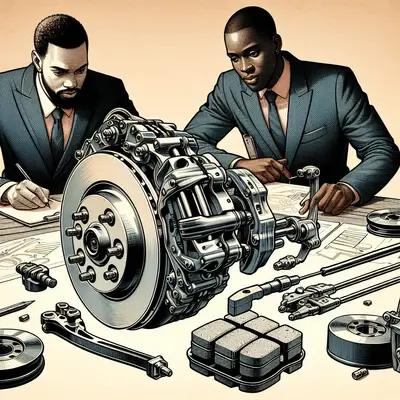
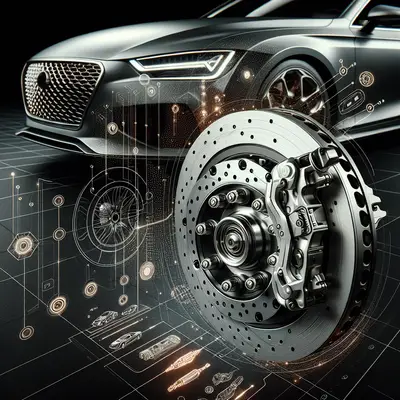
A modern brake system is an orchestrated ensemble rather than a collection of isolated parts. Pads and rotors may draw most of the attention, but they are only the final act in a chain of carefully managed forces.
Beginning at the pedal, your foot’s pressure is translated into hydraulic force by the master cylinder, distributed through brake lines, and modulated by ABS and stability systems before finally being applied at the calipers or wheel cylinders. Each link—pedal bushings, booster, fluid, rubber hoses, metal lines, caliper guide pins, and even wheel bearings—contributes to the system’s feel and reliability.
Discerning owners appreciate that a vague pedal, subtle pull, or faint pulsation is rarely “just a pad issue.” It is often the first visible symptom of an invisible imbalance upstream. Treating the brakes as a complete ecosystem prompts more thoughtful inspections and reduces the risk of chasing symptoms while the real concern quietly worsens.
Exclusive Insight #1: Brake Pedal Feel Is a Diagnostic Language
To the attentive driver, the brake pedal communicates in a remarkably nuanced vocabulary. The way it feels underfoot is often the earliest and most reliable indicator of system health.
A firm, predictable pedal that responds consistently from cold mornings to hot descents signals proper hydraulic pressure, minimal air in the lines, and sound components. A pedal that gradually sinks at a stoplight, by contrast, can hint at internal master cylinder wear or a small fluid leak that has not yet left visible stains.
A slightly spongy sensation may point to moisture-laden fluid or microscopic air pockets, while a hard, unassisted pedal may implicate the brake booster or its vacuum supply. Treat pedal feel as you would a trusted instrument: when it changes, even subtly, it is worth a deliberate inspection rather than casual dismissal.
Exclusive Insight #2: Brake Fluid Has a “Silent Expiration Date”
Brake fluid is often treated as an afterthought, yet it quietly shapes the reliability of every stop. Classified as hygroscopic, most glycol-based brake fluids absorb moisture over time—from the atmosphere, seals, and microscopic ingress points. This moisture lowers the fluid’s boiling point and encourages internal corrosion of lines, calipers, and ABS components.
The sophisticated owner recognizes that “clear fluid in the reservoir” does not guarantee high performance. A fluid flush every 2–3 years (or per the manufacturer’s more frequent recommendation for performance applications) is not a cosmetic service; it is a preventive measure against vapor lock, pedal fade, and expensive downstream component failure.
Those who frequently drive in hilly regions, tow, or make repeated high-speed stops place extra thermal stress on the system. For them, timely fluid replacement isn’t a luxury—it is insurance against a soft pedal appearing at exactly the wrong moment.
Exclusive Insight #3: Brake Performance Is Tire- and Suspension-Dependent
Even the most advanced brake system is only as effective as the contact patch it relies on. True stopping performance is a collaboration between brakes, tires, and suspension.
Worn or low-quality tires can lengthen stopping distances far more than most pad or rotor upgrades can ever recover. A premium, properly inflated tire with healthy tread converts brake torque into deceleration with composure. Conversely, tired shocks, bushings, or misalignment compromise weight transfer, leading to uneven braking, instability, or early ABS activation.
The discerning driver does not evaluate brake performance in isolation. When planning a brake service, they consider tire condition, alignment, and suspension health as part of the same safety conversation. The result is not simply shorter stops, but more controlled, predictable ones—especially in adverse weather or emergency maneuvers.
Exclusive Insight #4: Heat Management Is the Hidden Currency of Brake Longevity
Brake components live and die by the way they handle heat. Every deceleration converts kinetic energy into thermal energy at the rotors and pads. On a leisurely city drive, that heat dissipates easily. On repeated downhill sections, spirited drives, or towing, temperatures climb into ranges that can transform the behavior of the friction material.
Signs like a steering wheel shimmy under braking, a faint burnt odor, or bluish discoloration on rotors are all clues that heat is becoming a concern. High temperatures can glaze pads, warp or crack rotors, degrade brake fluid, and accelerate wear. Over time, this can compromise not only stopping distance but also comfort and refinement.
Owners who care about both safety and vehicle poise use several strategies: downshifting on long descents to offload some braking to the powertrain, respecting cool-down intervals after aggressive stops, and choosing quality rotors and pads matched to their driving profile. Thoughtful heat management protects both confidence and component life.
Exclusive Insight #5: Subtle Noises and Smells Are Early-Warning Signals
While catastrophic brake failures are rare, most serious issues announce themselves long before they become dangerous. The key is learning to interpret the system’s quieter signals.
A faint chirp that appears only at low-speed stops may be an early indicator of wear indicators touching the rotor surface. A light grinding, even if intermittent, suggests pad material has worn thin enough to expose the backing plate. A single pull to one side when braking could hint at a sticky caliper slide, uneven pad deposition, or a developing hydraulic imbalance.
Likewise, a distinct, sharp burnt smell after moderate driving—without aggressive braking—is not something to ignore. It might signal a dragging caliper or parking brake mechanism that is partially applied. Addressing these cues promptly is the mark of a driver who treats safety as a proactive pursuit rather than a reactive correction.
Exclusive Insight #6: Your Driving Style Writes Your Brake’s Service Schedule
Maintenance intervals printed in the owner’s manual are carefully considered averages—but they are not personal. Your individual driving environment and habits ultimately set your brake system’s true timetable.
Stop-and-go urban traffic, frequent short trips, and aggressive deceleration naturally demand more frequent inspections and replacements than relaxed highway cruising. Mountain passes, towing, and fully loaded road trips impose additional strain that may not be obvious in mileage alone.
A sophisticated approach pairs factory guidelines with a candid look at your own habits. Tracking when pads, rotors, and fluid were last serviced, and briefly inspecting wheels and pedal feel each month, leads to a custom, more accurate maintenance rhythm. In the long run, this tailored approach is both safer and more economical than waiting for performance to deteriorate to the point of discomfort.
Conclusion
A refined understanding of brake systems is not about becoming a technician; it is about elevating your standards for safety and control. By treating the brake system as an integrated ensemble, listening to the pedal’s “language,” respecting the quiet importance of brake fluid, and recognizing how tires, heat, and driving style shape performance, you move from passive ownership to informed stewardship.
For drivers who expect their vehicles to respond with composure in every situation, this mindset is not an indulgence—it is the foundation of confident, assured motoring.
Sources
- [National Highway Traffic Safety Administration (NHTSA) – Brakes and Stopping](https://www.nhtsa.gov/equipment/brakes-and-stopping) - U.S. government guidance on braking performance and safety considerations
- [U.S. Department of Transportation – Brake Fluids (FMVSS No. 116)](https://www.ecfr.gov/current/title-49/subtitle-B/chapter-V/part-571/subpart-B/section-571.116) - Federal standards detailing brake fluid specifications and performance requirements
- [AAA – How to Know When Your Brakes Need Service](https://www.aaa.com/autorepair/articles/how-to-know-when-your-brakes-need-service) - Practical signals and symptoms that indicate brake service is required
- [Car and Driver – Brake Fade Explained](https://www.caranddriver.com/features/a15127003/brake-fade-explained-tech-department) - In-depth discussion of heat, brake fade, and real-world implications for drivers
- [Bridgestone – How Tires Impact Braking Distance](https://www.bridgestonetire.com/learn/maintenance/how-tires-impact-braking-distance/) - Explanation of the relationship between tire condition and braking performance
Key Takeaway
The most important thing to remember from this article is that this information can change how you think about Brake Systems.