For drivers who view safety as a craft rather than a checkbox, brake maintenance is not merely a scheduled service—it is a quiet discipline. The most refined vehicles on the road are not always the newest or the most expensive; they are the ones whose owners understand what happens long before the pedal reaches the floor. This guide explores a more elevated approach to brake care, revealing subtle, often-overlooked practices that keep stopping distances predictable, pedal feel consistent, and confidence unwavering.
Understanding Brake Wear as a Story, Not a Symptom
Most drivers notice their brakes only when something feels wrong. The informed driver reads brake wear as an unfolding story, long before warning lights or grinding noises appear.
Brake pads wear in patterns that reveal how the car is driven, how the calipers are performing, and whether the rotors are being treated kindly or abused. Uneven pad wear, for example, can indicate sticking caliper slide pins, seized pistons, or improperly torqued hardware. A thin lip forming at the outer edge of the rotor suggests not only age, but heat patterns and contact consistency over thousands of miles.
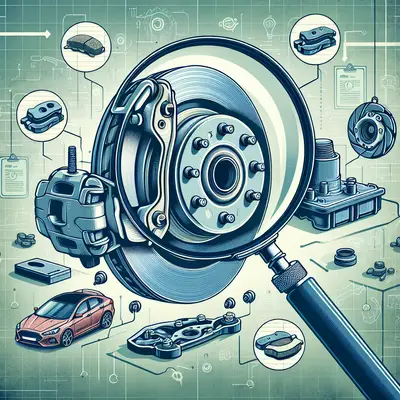
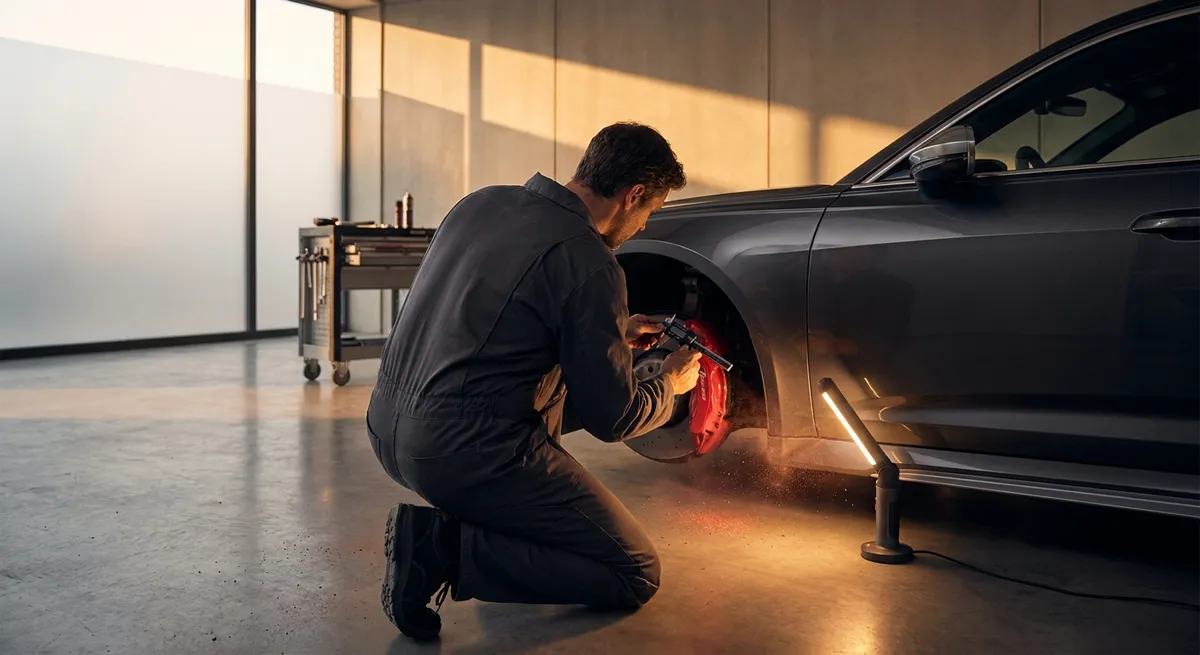
Rather than waiting for the pads to hit minimum thickness, a more refined approach tracks wear proactively. Measuring pad thickness during each tire rotation, noting mileage at each check, and comparing inner versus outer pad depth allows you to anticipate replacement with calm precision instead of reacting in crisis mode. Over time, you begin to understand your vehicle’s “consumption rate”—how quickly pads and rotors are used up under your real-world driving—and can plan service intervals that are proactive, not panicked.
This perspective transforms brake maintenance from a periodic surprise into a well-managed, predictable routine that deeply supports safety.
The Hidden Value of Cleanliness in Brake Longevity
True brake refinement begins where few owners look: the cleanliness of the components behind the wheel. Dust, road salt, moisture, and microscopic debris all conspire to shorten the life of precision parts that are designed to move freely and repeatedly in extreme conditions.
Brake dust itself is abrasive. When allowed to accumulate around caliper slide pins, pad abutment points, and rotor surfaces, it can promote sticking, noise, and accelerated wear. Road salt and winter grime, left untouched, can corrode hardware and calipers from the outside in, compromising even the most premium components.
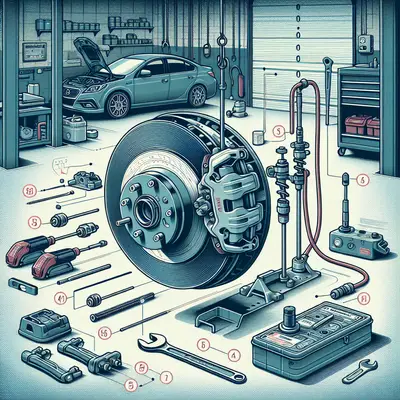
A meticulous driver embraces a subtle yet powerful habit: integrating brake-specific cleaning into regular care. This may include periodic wheel removal and careful use of non-chlorinated brake cleaner on calipers and pad contact points, followed by appropriate high-temperature lubricant on slide pins and pad ears—never on friction surfaces. Those in harsh winter climates may schedule a focused post-season brake inspection to address salt exposure before corrosion becomes permanent.
The result is a brake system that not only stops well, but also ages gracefully. Smooth sliding pins, clean pad channels, and rust-free hardware mean the braking forces are applied evenly—and that directly translates to shorter stopping distances, less pulsation, and fewer surprises.
Exclusive Insight 1: Treat Pedal Feel as a Daily Diagnostic
For the safety-conscious driver, the brake pedal is not simply a control—it is an instrument. Every press offers a quiet stream of information about the health of the system.
Rather than accepting pedal feel as a fixed trait, pay attention to subtle changes over time. Does the pedal engage slightly lower than it used to? Has the firmness softened during extended downhill driving? Do you feel a faint vibration only when braking from highway speeds? These are not mere quirks; they are early signals.
Softening pedal feel may suggest fluid degradation, boiling under load, or air ingress. A gradually sinking pedal at a stoplight can hint at internal master cylinder issues or small leaks. A faint, speed-dependent pulsation can be the earliest stage of rotor thickness variation—often long before full brake shudder develops.
By making a quiet mental note of how the pedal responds each day—especially at a familiar speed and brake pressure—you effectively run a daily diagnostic without any tools. When something changes, you may not yet know the cause, but you will know it is time for a professional inspection before performance meaningfully declines.
Exclusive Insight 2: Elevate Brake Fluid from Afterthought to Priority
Brake fluid is one of the most underestimated elements of brake performance, yet it forms the invisible link between your foot and the friction at the wheels. It is also hygroscopic—designed to absorb moisture over time. That moisture, once inside the system, lowers the boiling point of the fluid and encourages internal corrosion.
Many vehicle owners defer fluid replacement for years beyond the recommended interval. For a driver dedicated to consistent, confident stopping, that is a compromise not worth making. Elevated heat during repeated braking—such as descending long grades, towing, or driving in mountainous regions—can push neglected fluid closer to its boiling point, introducing vapor and a soft, spongy pedal when you most need firmness.
A more disciplined approach treats brake fluid change intervals as non-negotiable, often every two to three years, or as specified by the manufacturer—even if mileage is low. For heightened diligence, some owners request that technicians measure brake fluid boiling point with a tester during service visits. This simple check reveals real-world degradation, not just time elapsed.
Fresh, high-quality fluid preserves pedal consistency, protects expensive ABS and stability control components from internal corrosion, and ensures that the braking system retains its original, engineered performance envelope.
Exclusive Insight 3: Align Driving Technique with Brake Preservation
The most refined brake maintenance strategy begins not in the garage, but behind the wheel. Driving technique has a profound impact on how frequently brakes require service—and how well they perform as they age.
Modern vehicles and premium brake components are designed to tolerate aggressive braking, but they reward drivers who avoid constant heat cycling. Long, gentle applications at the last moment—“riding” the brakes—can keep pad and rotor temperatures unnecessarily elevated, especially in stop-and-go traffic. Conversely, deliberate, firm, and brief applications, followed by periods of full release, allow brakes to shed heat more effectively.
Forward planning is the essential refinement. Anticipating lights, congestion, and traffic flow enables smoother deceleration, often using engine braking to share the workload. This not only lowers temperature spikes but also reduces pad glazing and rotor hot spots—common culprits behind noise and vibration.
The sophisticated driver does not simply avoid “hard stops”; instead, they aim for controlled, intentional braking that respects both momentum and mechanical limits. Over the life of the vehicle, these habits can extend pad and rotor life significantly while preserving the brake system’s composure in emergencies.
Exclusive Insight 4: Consider Rotor Quality and Finish as a Performance Choice
Not all brake rotors are created equal, and for the driver who values impeccably predictable stops, rotor selection is not a trivial cost decision. The quality of the iron, the precision of machining, and the final surface finish all influence how the brakes feel, sound, and wear.
Higher-quality rotors typically exhibit tighter tolerances, more consistent thickness, and better balancing. This means less likelihood of developing noticeable pulsation as they age. Surface finish influences initial pad bedding—the critical phase when new pads and rotors mate to each other. A well-finished rotor surface promotes even transfer layers from the pad, reducing noise and ensuring stable friction behavior.
Cheap, poorly machined rotors may work at first but can be more prone to uneven deposits, hot spots, and warping-like symptoms under repeated hard use. For drivers who tow, drive in mountainous regions, or simply demand smooth, quiet braking, opting for reputable brands and, when appropriate, rotors engineered for higher thermal stability is a considered investment.
Pairing quality rotors with correct torquing of wheel lug nuts—a frequently overlooked detail—further guards against distortions that can mimic rotor warpage. When executed together, rotor selection and careful installation create a stopping experience that feels composed, refined, and consistent over thousands of miles.
Exclusive Insight 5: Use Seasonal Transitions as Structured Brake Checkpoints
Sophisticated brake maintenance thrives on rhythm, and the changing seasons provide ideal anchors for structured inspections. Rather than waiting for mileage milestones alone, use weather transitions as natural prompts to examine the system.
Before winter, a thoughtful driver may request a brake inspection that focuses on pad thickness, rotor condition, and the integrity of rubber components such as hoses and boots. Cold temperatures, moisture, and road salt punish any existing weakness. Identifying worn pads, borderline rotors, or cracked hoses before winter reduces the risk of cold-weather failures or emergency repairs in unpleasant conditions.
In spring, the emphasis can shift to recovery and preservation. Has road salt contributed to corrosion on backing plates, calipers, or hardware? Are slide pins still moving freely? Are there early signs of seized components that could cause uneven pad wear? A detailed spring inspection allows you to reset the system after the harshest months and prepare it for warm-weather driving, travel, and higher-speed conditions.
By aligning brake checks with seasonal changes, you transform maintenance into an elegant cycle: anticipate, endure, then restore. The result is a brake system that is never neglected, only ever refined.
Conclusion
For drivers who value composure over drama, brake safety is an ongoing discipline—a series of small, thoughtful choices that keep one of the vehicle’s most vital systems operating at its designed peak. Reading wear patterns as a narrative, treating cleanliness as performance protection, listening to the pedal as an instrument, prioritizing fluid health, refining driving technique, choosing quality rotors, and using the seasons as checkpoints: together, these practices elevate brake maintenance from a reactive chore to a cultivated ritual.
The reward is not only shorter stopping distances and quieter operation, but something more subtle and more valuable: the quiet assurance that, when circumstances demand it, your vehicle’s most important system will respond with the precision you have deliberately preserved.
Sources
- National Highway Traffic Safety Administration (NHTSA) – Brakes and Safety Systems - Federal guidance and educational material on brake safety and performance
- CarCare.org (Car Care Council) – Brake System Overview - Consumer-focused explanations of brake components and maintenance principles
- University of Nebraska–Lincoln – Brake Fluid and Hydraulic Systems Basics (Extension PDF) - Educational overview of brake hydraulics and the importance of fluid condition
- Consumer Reports – How to Know When You Need New Brakes - Practical guidance on wear symptoms, noise, and when to service brakes
- AAA – Brake System Inspection and Maintenance Tips - Recommendations for inspection intervals and key brake maintenance practices
Key Takeaway
The most important thing to remember from this article is that this information can change how you think about Maintenance.