For the driver who expects more than “good enough,” brake maintenance is not a once‑a‑year chore but a quiet, ongoing discipline. It’s the difference between a car that merely stops and a car that responds with poised, predictable precision every time you approach a light or descend a steep hill. By weaving subtle, high‑standard checks into your routine, you protect not only your vehicle’s hardware, but also the calm confidence with which you drive.
This elevated approach to brake care is less about emergency repairs and more about never letting the system deteriorate to that point in the first place. Below, you’ll find a refined, maintenance‑focused framework—anchored by five exclusive insights—that rewards attentiveness with safety, comfort, and control.
Designing a Brake‑Conscious Maintenance Rhythm
Sophisticated brake care starts with rhythm: a predictable pattern of checks that become second nature rather than occasional reactions to problems. At a minimum, your brakes deserve focused attention during every tire rotation, every seasonal service, and any time you feel the car’s personality change under braking—however slightly. Consider establishing a personal standard, such as a brief driveway inspection every two weeks, coupled with a more thorough examination at each oil change.
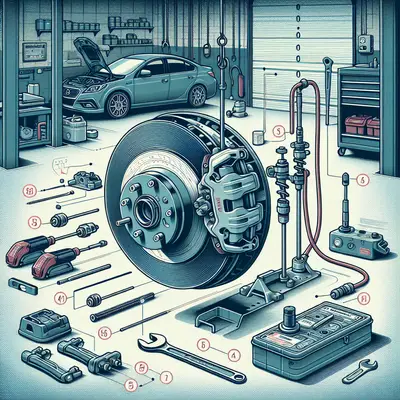
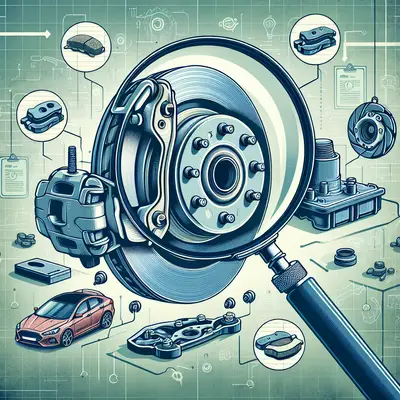
Within this rhythm, distinguish between quick observational checks and deeper, scheduled inspections. Visual confirmation of pad thickness, rotor condition, and fluid level should be routine, while caliper slide inspection, parking brake mechanism checks, and brake fluid testing for moisture can occur at set mileage intervals. The aim is not to become a professional technician, but to become the kind of owner whose familiarity with their car makes subtle brake changes impossible to ignore.
Over time, this consistent attention reduces the likelihood of uneven pad wear, premature rotor damage, and surprise repair bills. It also shifts your relationship with maintenance: instead of “waiting until it’s bad enough,” you intervene at the earliest, most economical stage. That mindset, more than any single product or upgrade, is what separates ordinary maintenance from truly premium care.
Five Exclusive Insights for Elevated Brake Safety
1. Listening Beyond the Squeal: Tone, Timing, and Texture
Most drivers react only when brakes squeal loudly, but refined owners learn to interpret far subtler audio cues. A brief, light squeak in the first few stops on a damp morning may simply reflect surface rust on the rotors, while a consistent high‑pitched tone at low speeds—especially when lightly braking—often signals pads nearing the end of their life or glazing on the friction surface.
Pay attention to when sounds occur. Noises that emerge only during gentle braking can indicate pad vibration or hardware fatigue, whereas grinding or growling under firm braking suggests metal‑to‑metal contact and urgent attention. Also note the texture of the sound: a hollow rasp, a rhythmic scrape that rises and falls with speed, or a chirp that appears only in reverse each point to different issues, from backing plate contact to small stones lodged between the pad and rotor.
The practical insight: treat brake sound as a language. Record short audio clips on your phone when something changes and note road conditions, speed, and pedal pressure. Presented to a technician, these details can dramatically shorten diagnostic time and reduce the risk of misdiagnosis or unnecessary part replacement.
2. Pedal Feel as an Early‑Warning Instrument
Brake pedal feel is one of the most refined diagnostic tools available to an attentive driver. A properly maintained system delivers a smooth, progressively firm pedal: initial travel takes up clearance, followed by a decisive, linear buildup of resistance. Any deviation from this pattern deserves attention—even if stopping distances still seem acceptable.
A slowly softening pedal over weeks or months may indicate gradual internal fluid contamination, swelling hoses, or air entering the system at a very small leak point. A pedal that feels distinctly firmer than usual can be a sign of seized caliper slides, a failing power brake booster, or pads that have overheated and hardened. Pulsation under light and medium braking—particularly felt through the pedal rather than the steering wheel—often reflects rotor thickness variation rather than mere “warping,” and it tends to worsen if ignored.
The elevated practice is to perform a brief “pedal audit” once a month on a familiar stretch of safe, straight road. Apply the brakes several times at varying pressure levels, noting how the pedal travels, firms up, and releases. If the sensation changes compared with your mental baseline, schedule an inspection before the issue escalates to a safety event.
3. Treating Brake Fluid as a Precision Component, Not a Consumable
Brake fluid is often treated as an afterthought—topped up when low, replaced only when discolored. For the safety‑conscious driver, it is regarded instead as a precision hydraulic medium whose condition directly influences both feel and performance. Because most brake fluids are hygroscopic, they naturally absorb moisture from the air over time, lowering their boiling point and promoting internal corrosion within lines, calipers, and ABS components.
Rather than waiting for visible darkening, consider periodic testing. Many service centers can measure fluid boiling point or moisture content in minutes, providing real data instead of guesses. If you regularly descend long grades, tow, or drive in a hot climate, elevated brake temperatures make fluid condition even more critical. Fresh, correctly specified fluid can mean the difference between solid pedal feel and fade during an emergency stop or extended downhill braking.
Maintaining this standard does not require exotic products—only adherence to the manufacturer’s specifications and replacement intervals tailored to your driving environment. Keeping a dated record of fluid services in your maintenance log transforms an invisible, neglected component into a documented contributor to your vehicle’s safety and resale value.
4. Respecting Bedding‑In as a Safety Procedure, Not Just a Performance Ritual
New pads and rotors are often installed and then immediately subjected to normal daily driving without thought given to how friction surfaces are conditioned. A more meticulous approach recognizes bedding‑in (also called burnishing) as a critical step that establishes optimal pad‑to‑rotor contact, stabilizes friction characteristics, and helps prevent judder and noise later in the component’s life.
A refined bedding routine typically involves a series of moderate‑to‑firm stops from progressively higher speeds, allowing the brakes to heat up and transfer an even layer of pad material onto the rotors—followed by gentle driving to let the system cool without sustained pedal pressure. The exact procedure should follow the pad manufacturer’s recommendations, as materials vary in their ideal conditioning profile.
By treating this process as non‑negotiable, you not only enhance initial performance but also extend the smoothness and predictability of your braking over many thousands of miles. This is the quiet distinction between a hurried repair and a properly completed brake service that feels refined from the very first stop.
5. Integrating Brakes Into a Holistic Vehicle Safety Picture
Brakes do not operate in isolation. Their effectiveness is intimately tied to tire condition, suspension health, and even alignment. A car with fresh pads and rotors but worn, under‑inflated, or mismatched tires cannot stop with the consistency a discerning driver expects. Likewise, tired shocks or struts can allow the chassis to pitch forward under braking, unloading the rear axle and lengthening stopping distances on uneven or wet surfaces.
Adopting a holistic perspective means pairing brake inspections with tire tread depth measurements, pressure checks, and suspension evaluations. A pull to one side during braking, for example, may stem from caliper imbalance—but it can also reveal uneven tire wear or a significant alignment issue. Knowing this, you can insist on comprehensive checks instead of allowing the diagnosis to focus narrowly on the friction components alone.
This broader view enhances safety and preserves the composed, balanced feel that defines a well‑kept vehicle. The car no longer merely passes inspection; it communicates a sense of mechanical harmony every time you transition from acceleration to braking.
Daily Habits That Quietly Protect Your Brakes
Beyond formal inspections and services, small recurring habits have an outsized impact on brake longevity and reliability. Anticipatory driving—looking further ahead, easing off the throttle sooner, and avoiding unnecessary bursts of speed—reduces heat cycles and slows pad and rotor wear. Whenever possible, leave more distance than the minimum required, not out of timidity but out of respect for mechanical and human reaction limits.
In wet or winter conditions, a light brake application now and then can help clear moisture or slush from rotors, improving immediate response. After driving through deep water, a few cautious, gentle stops help restore full braking effectiveness and reveal any sudden changes in feel or sound. Parking with the car in gear (or Park for automatics) and using the parking brake routinely keeps its mechanism functional; conversely, on steep, icy inclines, be mindful not to leave a parking brake fully engaged for long periods if freezing is a concern.
These habits, while subtle, accumulate into a protective buffer for your braking system. They make sudden, dramatic changes in behavior less likely and give you more time to recognize and address issues while they are still minor.
Conclusion
Elevated brake maintenance is not about obsession; it is about intention. By listening closely to brake sounds, reading pedal feel as a diagnostic instrument, treating brake fluid with the seriousness it deserves, respecting the bedding‑in process, and viewing brakes within a broader safety ecosystem, you transform an ordinary maintenance routine into a quietly sophisticated practice.
The reward is twofold: the reassurance that your car will respond faithfully when you need it most, and the everyday pleasure of driving a vehicle whose stopping power feels as composed and deliberate as its acceleration. In a world that often tolerates “good enough,” choosing this higher standard of brake care becomes a defining mark of the truly discerning driver.
Sources
- National Highway Traffic Safety Administration (NHTSA) – Brakes and Safety – Federal guidance on brake system safety, performance, and defect investigations
- U.S. Department of Transportation – Brake Fluid Safety Information – Overview of brake fluid characteristics, moisture absorption, and maintenance considerations
- AAA – How to Know When You Need Brake Service – Practical signs of brake wear, noises, and changes in pedal feel drivers should monitor
- University of Nebraska–Lincoln – Automotive Brake Systems Lesson – Educational material explaining brake components, operation, and maintenance fundamentals
- Consumer Reports – Car Brakes: A Guide to Brake Maintenance – Independent guidance on brake inspections, fluid, and how driving habits affect wear
Key Takeaway
The most important thing to remember from this article is that this information can change how you think about Maintenance.