Brake maintenance is often treated as a routine chore—an invoice to be approved and forgotten. For the safety‑conscious driver, however, your brake system deserves far more than a cursory glance and a quick test drive around the block. It is the unseen guardian of every journey, and the way you maintain it should reflect that level of responsibility and refinement.
By approaching brake care as a deliberate ritual rather than an occasional obligation, you transform the outcome: more predictable stops, fewer unwelcome surprises, and a quieter, more composed driving experience. The following insights go beyond generic recommendations, offering a more elevated perspective for drivers who demand both safety and sophistication from their vehicles.
1. Treat Brake Feel as a Signature, Not a Guess
Most drivers only notice their brakes when something feels “wrong.” A more refined approach is to become intimately familiar with how your brakes feel when everything is perfectly right. That “signature” sensation—pedal travel, firmness, initial bite, and progression under heavier pressure—becomes your benchmark. Set aside time on a quiet, safe road to gently test your brakes from varying speeds and note the feedback through your foot and hands. Over time, subtle changes in pedal response, effort, or stopping confidence will stand out more clearly, often weeks before a casual driver would notice. This early awareness allows you to schedule proactive maintenance on your own terms, rather than reacting to a sudden emergency or warning light.
2. Inspect Beyond the Pad: The Rotor Surface Tells a Story
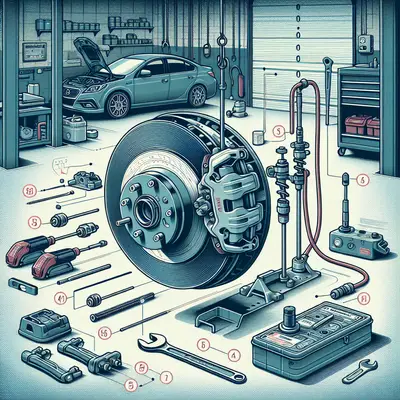
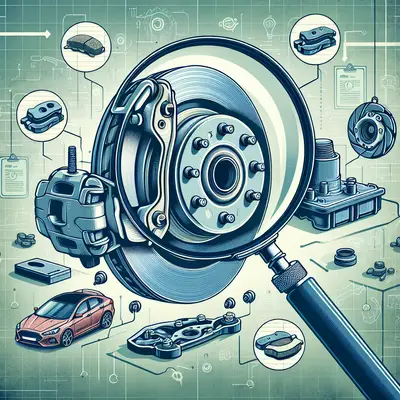
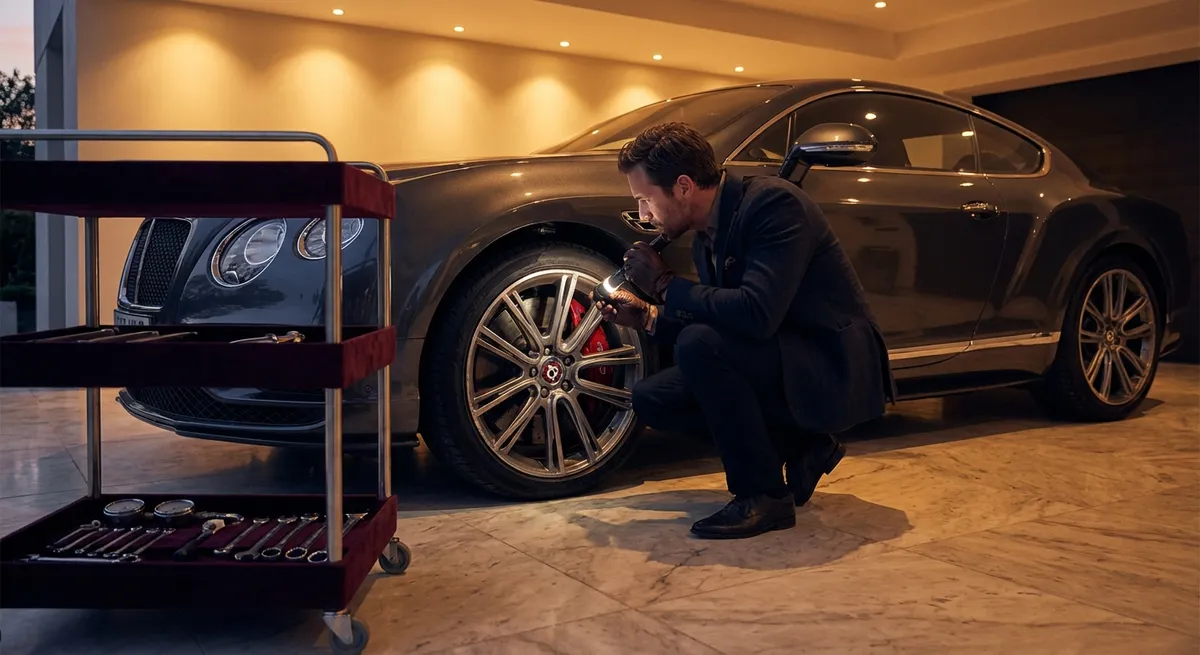
Standard maintenance conversations often begin and end with pad thickness. Yet for the discerning owner, the brake rotor surface is one of the most revealing indicators of true system health. During inspections, request that your technician show you the rotors with the wheels off, and learn to look for more than just obvious grooves. Uneven coloration, heat spots, hairline cracking near the edges, or a pronounced lip around the rotor’s perimeter are all quiet signals of stress, heat imbalance, or inconsistent pad contact. Even when stopping distances still feel acceptable, these visual clues can indicate that future performance and comfort—smoothness, noise, and vibration—are at risk. Replacing or resurfacing rotors at the right moment preserves not just safety, but also the refined, composed braking feel that distinguishes a well-maintained vehicle from a merely functional one.
3. Elevate Brake Fluid From Afterthought to Priority
Brake fluid is frequently overlooked because it rarely calls attention to itself—until it fails. For drivers who value precision and reliability, fluid should never be treated as a vague “flush every few years” item. Brake fluid is hygroscopic, meaning it steadily absorbs moisture, which in turn lowers its boiling point and invites internal corrosion of delicate components. Ask your service provider to perform a moisture or boiling point test rather than relying solely on time or mileage. In demanding conditions—urban stop‑and‑go, spirited driving, or towing—more frequent fluid renewal can yield a firmer pedal and greater resistance to fade under repeated stops. Choosing a high‑quality fluid that meets or exceeds your manufacturer’s specifications is an understated but powerful upgrade, one that supports consistent braking when it matters most: during a sudden, hard stop from highway speeds.
4. Harmonize Tires and Brakes for True Stopping Performance
Brake maintenance is often discussed in isolation, but the finest brake components are still limited by the simplest element in the chain: tire grip. A sophisticated brake strategy recognizes that worn, hardened, or mismatched tires can negate much of the benefit of meticulous brake care. Regularly evaluate tire condition not only by tread depth, but also by age, sidewall condition, and evenness of wear across all four corners. Pay special attention to how your vehicle behaves under firm braking: does it pull slightly to one side, engage the ABS prematurely, or trigger stability control more often than expected? These are not merely tire issues or brake issues; they are system behavior clues. Ensuring your tires are properly matched, correctly inflated, and rotated on schedule allows your brakes to work at their full potential, delivering shorter, more stable stops and a more composed, confident driving experience.
5. Demand Documentation and Measurable Standards From Every Service
For many owners, brake service ends with a brief verbal summary: “Pads and rotors are fine.” For the driver who values precision and peace of mind, that is not nearly enough. Insist on measurable data every time your brakes are inspected or serviced: pad thickness in millimeters, rotor thickness compared to the minimum specification, measured runout if applicable, and brake fluid test results. Request that these figures be recorded on your invoice or digital service history, creating a personalized brake health record over time. This documentation transforms maintenance decisions from guesswork into informed strategy. You and your technician can then anticipate when components will realistically reach the end of their optimal life, allowing you to schedule service at a convenient time instead of reacting to a last‑minute warning. In this way, you elevate brake care from reactive repair to curated, long‑term stewardship.
Conclusion
Refined brake maintenance is not about unnecessary complexity; it is about deliberate attention to details that less‑careful drivers simply overlook. By understanding the unique feel of your braking system, reading the story told by your rotors, prioritizing fluid health, harmonizing your tires, and demanding precise documentation, you build a quieter, safer, and more composed driving experience.
The reward is subtle but profound: every stop feels intentional, controlled, and assured. For the discerning driver, that level of confidence is not a luxury—it is the standard.
Key Takeaway
The most important thing to remember from this article is that this information can change how you think about Maintenance.