Modern brake systems are far more than a pedal and a set of pads; they are highly coordinated safety instruments, engineered to convert motion into control with quiet precision. For the driver who values refinement and uncompromising safety, understanding how these systems truly behave—beyond the dashboard warning light—transforms routine maintenance into a deliberate act of protection. This guide explores the subtleties of contemporary brake systems and offers five exclusive insights that safety‑focused owners rarely hear in a typical service lane conversation.
Inside the Modern Brake System: A Composed Powerhouse
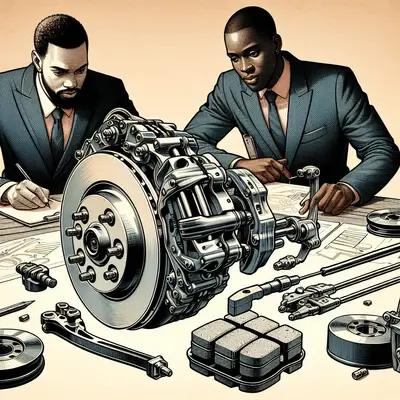
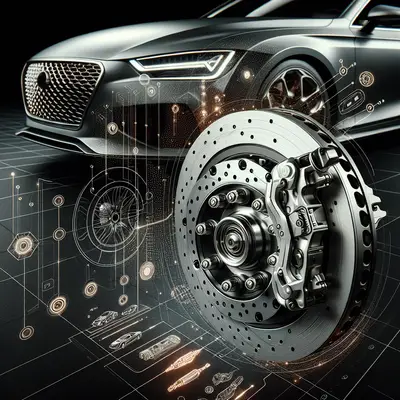
Today’s brake systems are an orchestration of hydraulic pressure, friction materials, electronics, and software. When you press the pedal, you are not merely “stopping the car”; you are instructing a sequence of components—master cylinder, brake lines, calipers, pads, rotors, and often a network of sensors and valves—to interpret your intent and translate it into controlled deceleration.
Hydraulic pressure amplifies the modest force of your foot into thousands of pounds of clamping force at each wheel. Anti-lock braking systems (ABS) prevent wheel lockup and allow steering control during emergencies, while electronic brakeforce distribution (EBD) and stability control systems subtly adjust how the braking load is shared. On hybrids and EVs, regenerative braking adds an electrical dimension, recapturing energy while conventional friction brakes remain on standby for higher demand. The result is a sophisticated safety architecture that feels as effortless as a gentle tap of your right foot—when, and only when, it is maintained with equal sophistication.
Exclusive Insight 1: Brake Performance Degrades Long Before You Hear a Squeal
The familiar shriek of worn pads is a late-stage warning, not an early one. Many drivers assume that as long as the brakes are quiet, they are safe; in truth, braking performance can decline noticeably while the system remains almost silent. Stopping distances can lengthen, pedal feel may become vague, and heat management can deteriorate well before the wear indicators begin to sing.
Premium pads and rotors are engineered to maintain consistent friction, but they are still subject to gradual glazing, uneven wear, and heat cycling. Micro‑cracks, subtle rotor thickness variation, and pad material transfer can all conspire to reduce friction efficiency. A discerning owner pays attention not only to noise, but also to changes in required pedal pressure, the length of the stopping zone they intuitively need, and how the car behaves during a firm, controlled stop from highway speed. These nuanced cues often reveal an evolving issue before it graduates into an urgent one.
Exclusive Insight 2: Brake Fluid Is the Silent Guardian of Your Stopping Power
Brake fluid is one of the most overlooked elements in the system, yet it is fundamental to confident braking. This specialized hydraulic fluid absorbs moisture over time, even in sealed systems. As water content increases, the boiling point of the fluid drops. Under heavy braking—such as repeated stops on steep hills or an emergency maneuver at highway speed—moisture‑laden fluid can vaporize, introducing compressible gas into a system designed for incompressible pressure.
The result is a soft, spongy pedal and a disquieting loss of responsiveness just when you need precision most. A refined brake maintenance routine treats fluid replacement as a scheduled, proactive practice rather than a reactive fix. Following the manufacturer’s recommended interval (often every 2–3 years, sometimes sooner for performance or mountainous driving) and insisting on the correct specification (DOT 3, DOT 4, DOT 5.1, etc.) protects both hardware and confidence. For the truly meticulous driver, documenting fluid service alongside pad and rotor changes completes an elegant, traceable brake care record.
Exclusive Insight 3: Pedal Feel Is a Language—Learn to Read It
To the attentive driver, the brake pedal is a fluent messenger. Its resistance, travel, and feedback offer continuous insight into the health of the system. A firm, predictable pedal that builds pressure smoothly and consistently is the signature of a well-maintained brake system. Any deviation from that baseline deserves attention, even if the vehicle still “seems to stop fine” in everyday conditions.
A gradually lowering engagement point may signal pad wear, minor air intrusion, or caliper issues. A pulsating pedal during moderate to firm stops often points to rotor thickness variation or heat‑induced warping. A pedal that intermittently feels harder or softer can indicate evolving problems with the master cylinder or ABS modulation. Sophisticated ownership involves mentally “bookmarking” how the brakes feel when they are at their best, then noticing even subtle departures from that norm. This habit transforms vague impressions into reliable early warning signs.
Exclusive Insight 4: Brake Balance Matters as Much as Brake Power
Discussions about brakes often focus on raw stopping power, but in real‑world driving, balance is equally important. A well-balanced system decelerates the car in a straight, composed line, with weight transfer managed smoothly from rear to front. When this harmony is disturbed, the car may pull to one side, feel unsettled in emergency stops, or struggle for traction on wet or uneven surfaces.
Imbalanced braking can result from uneven pad wear, a sticking caliper slide, contaminated pads or rotors on one side, or even uneven tire conditions. Electronic systems such as ABS and stability control can mask mild imbalance by compensating in the background, but that compensation has limits. A discerning driver periodically evaluates straight‑line braking performance in a safe, controlled environment—such as a quiet, empty road—by executing a deliberate, moderate-to-firm stop and feeling for directional pull, steering corrections, or rear instability. Any asymmetry deserves expert diagnosis before it becomes a hazard.
Exclusive Insight 5: Regenerative Braking Does Not Eliminate the Need for Traditional Brake Diligence
Drivers of hybrids and EVs sometimes assume that because regenerative braking handles much of the deceleration, the conventional friction brakes are less critical. While it is true that pads and rotors on these vehicles often wear more slowly, this gentler duty cycle introduces another concern: corrosion and uneven use. Brakes that are seldom exercised can develop rust buildup on rotor surfaces, leading to pitting, noise, and reduced friction when they are suddenly called into full action—such as during a panic stop or when the battery is fully charged and regenerative braking is limited.
Many manufacturers program periodic automatic brake applications to keep components clean, but these measures are not infallible. A premium approach to safety in an electrified vehicle includes occasionally performing a few firm, controlled stops (where safe and legal) to ensure that the friction brakes remain clean, responsive, and evenly bedded. Routine inspections are especially important on vehicles primarily driven in gentle, low‑speed urban conditions, where moisture and inactivity can quietly undermine braking surfaces.
How to Speak the Same Language as Your Brake Technician
Even the most observant driver benefits from a trusted professional, and communicating with precision enhances the quality of the service you receive. Instead of simply saying, “The brakes feel off,” describe specific sensations: pedal softness, pulsation at particular speeds, pulling direction under braking, or noises that occur only during light or heavy pedal pressure. Detail when the issue appears—cold vs. warm brakes, highway exits vs. city speeds, wet vs. dry conditions.
Request that your technician measure pad thickness, rotor thickness and runout, and brake fluid condition rather than relying on a vague “they look okay.” Ask whether your vehicle’s ABS and stability control systems have recorded any related fault codes. This level of dialogue signals that you value not only passing an inspection, but achieving a consistently high standard of braking performance. In turn, you are more likely to receive service recommendations aligned with that elevated expectation.
Conclusion
A modern brake system is a precisely tuned safety instrument, and treating it as such is a hallmark of truly refined ownership. By listening to the subtle language of pedal feel, respecting the importance of brake fluid, safeguarding balance, and acknowledging the unique demands of regenerative systems, you position yourself well above the baseline of “good enough.” The reward is not only shorter stopping distances and quieter operation, but a calm assurance every time you approach a yellow light or a sudden slowdown ahead: your braking system is not just functioning—it is performing at its best.
Sources
- National Highway Traffic Safety Administration (NHTSA) – Brakes and Safety Systems - Overview of brake system safety, ABS, and related components
- U.S. Department of Transportation – Brake System Facts - Federal guidance and educational material on brake safety practices
- AAA – How Your Car’s Braking System Works - Clear technical explanation of modern brake systems and components
- Car and Driver – Brake Fluid Explained - Detailed discussion of brake fluid, moisture contamination, and service intervals
- U.S. Department of Energy – Regenerative Braking Basics - Technical overview of how regenerative braking functions in hybrid and electric vehicles
Key Takeaway
The most important thing to remember from this article is that this information can change how you think about Brake Systems.