For drivers who consider safety a discipline rather than a checkbox, brake care is not a hurried errand—it is a refined practice. Your braking system is the final authority between potential risk and poised control, and the way you maintain it should reflect that gravity. This guide explores elevated, detail-oriented maintenance habits and five exclusive insights that genuinely discerning drivers use to preserve quiet, consistent, and authoritative stopping power.
Seeing Beyond Wear: The Art of Reading Brake Components
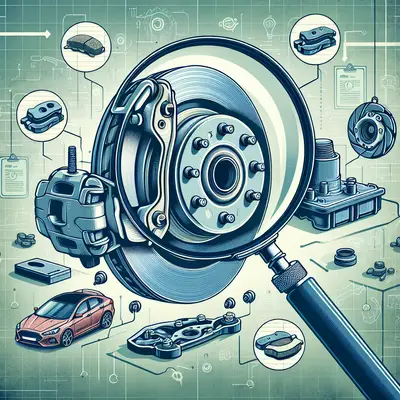
Most drivers wait for a warning light or an obvious squeal. Meticulous drivers learn to “read” their brake components long before obvious symptoms appear. The rotor face, for instance, should present a consistent, satin-like finish; visible scoring, bluish discoloration, or uneven patches suggest heat stress or inconsistent pad contact.
Similarly, high-quality pads typically wear evenly across their surface. Tapered wear (thicker on one end) hints at sticking caliper slides or guide pins that require cleaning and lubrication. Even the color and texture of brake dust on your wheels can reveal much: heavy, uneven accumulation on a single wheel can signal a dragging caliper or imbalanced braking force. By observing these subtle patterns at each wash, you build a quiet diagnostic ritual that detects concerns before they escalate into compromised stopping performance or costly repairs.
Fluid as a Safety Asset, Not a Footnote
Brake fluid maintenance is often treated as an afterthought, yet it is the lifeblood of hydraulic braking. Over time, brake fluid absorbs moisture from the atmosphere, lowering its boiling point and inviting internal corrosion. Under repeated hard stops or mountain driving, overheated, moisture-laden fluid can lead to a softer pedal and, in extreme conditions, vapor lock—an unforgivable risk for any driver serious about control.
Superior brake maintenance includes scheduled fluid testing rather than guesswork. A simple fluid tester can reveal moisture content and signal when a flush is prudent, often earlier than factory intervals if you drive in humid climates or engage in spirited driving. Insisting on the correct specification (DOT 3, DOT 4, or DOT 5.1) and using fresh, unopened containers preserves the fluid’s integrity. Treated as a strategic safety asset instead of a consumable afterthought, brake fluid becomes one of your most effective tools for preserving consistent pedal feel and confidence.
Five Exclusive Insights for Brake-Conscious Owners
These five insights go beyond generic advice and speak directly to drivers who demand subtlety, precision, and predictability from their brakes:
Temperature Patterns Tell a Story
After a spirited drive or a long descent, carefully (and safely) note the relative heat of each wheel area—either via an infrared thermometer or simply by observing brake odor and behavior. One notably hotter corner can suggest a dragging caliper or sticking parking brake mechanism. Addressing this promptly prevents rotor warping, premature pad wear, and unpredictable pull under braking.
Pad Compound Should Match Your Driving Style, Not Just Your Budget
Many drivers accept whatever pads are installed without question. Refined maintenance means selecting pad compounds that align with your exact usage: ceramic pads for low dust and quiet city driving, semi-metallic for repeated high-energy stops, or performance compounds for heavy vehicles and aggressive braking. The wrong compound may technically “work,” but the right one preserves rotor life, stabilizes pedal feel, and optimizes stopping distances in your real-world conditions.
The “Pedal Baseline” Habit
Develop a mental baseline for your pedal feel: how far it travels, how firm it is, and how it responds in a controlled hard stop. Every month, in a safe, open area, conduct a single, deliberate 40–0 mph stop and pay attention to how the pedal behaves. Notice any increase in travel, softness, or pulsation. This habit transforms you into a sensitive sensor for your own braking system, often detecting air in the lines, fluid degradation, or rotor irregularities long before audible symptoms arise.
The Alignment–Braking Connection
Many owners treat alignment as a tire or steering concern, not a brake concern. In reality, poor alignment and worn suspension components can skew weight transfer under braking, lengthen stopping distances, and cause uneven pad and rotor wear. A car that tracks perfectly straight and maintains even tire contact with the road will brake more consistently, especially in emergency maneuvers. Refined brake care therefore includes periodic alignment checks, particularly after pothole impacts or curb strikes.
Seasonal Brake Etiquette for Harsh Climates
In regions with heavy rain, snow, or road salt, corrosion is not merely cosmetic—it can seize calipers, contaminate pad surfaces, and deteriorate lines. The sophisticated approach includes a seasonal brake inspection dedicated to corrosion: checking shields, hardware, caliper brackets, and exposed lines for rust; ensuring slide pins are clean and lubricated; and rinsing wheel wells in winter to reduce salt buildup. A brief, assertive stop after washing or heavy rain can also help dry rotors, preventing the formation of uneven rust patches that manifest as vibration.
Elevating Routine Service into a Curated Maintenance Plan
Instead of relying solely on mileage-based intervals, meticulous drivers curate a maintenance plan that accounts for environment, driving style, and vehicle characteristics. Urban commuting with frequent stop-and-go traffic can wear pads more aggressively than long highway journeys. Mountainous routes, towing, and spirited driving all place disproportionate stress on pads, rotors, and fluid.
A more tailored plan records not just replacement dates, but the context: type of pads installed, rotor design (vented, drilled, slotted), fluid specification, and any unusual conditions (extended downhill driving, track days, or repeated emergency stops). Over time, this log becomes an invaluable dataset: you learn how long specific components last under your specific usage, which brands maintain their performance, and when to schedule preventive service before performance fades. This transforms brake care from reactive repairs into proactive, intentional stewardship of your vehicle’s most critical safety system.
The Subtle Discipline of Listening and Feeling
Modern vehicles insulate drivers from mechanical feedback, but refined brake maintenance reawakens a deliberate attention to sound, vibration, and feel. Light, cyclical pulsation may indicate early rotor thickness variation long before it becomes severe. A faint chirp at the end of a stop might suggest pad glazing or minor hardware movement. Even a slight delay between pedal application and initial bite can reveal issues with rubber lines expanding, fluid quality, or pad material.
The key is consistency. By driving with conscious awareness for a few minutes each week—windows occasionally cracked, radio lowered—you create space to notice emerging patterns. This isn’t anxious hypervigilance; it is a calm, methodical dialogue with your vehicle. Combined with periodic professional inspections by a reputable shop that understands your priorities, these small habits ensure that your first warning is never a sudden loss of confidence in an emergency stop.
Conclusion
Brake maintenance, at its highest level, is less about reacting to warning lights and more about cultivating a disciplined, observant relationship with your vehicle. Through intentional inspection, strategic fluid care, informed component selection, and a refined sensitivity to pedal feel and behavior, you transform routine upkeep into a deliberate safety practice. For the meticulous driver, this is not excess—it is the natural expression of respect for the machine, its occupants, and every moment you demand a confident, controlled stop.
Sources
- National Highway Traffic Safety Administration (NHTSA) – Vehicle Braking Systems Overview - Government guidance on how braking systems function and their role in safety
- U.S. Department of Transportation – Brake Fluid and Hydraulic Systems Basics (FMVSS Information) - Regulatory background and safety considerations related to brake system standards
- Consumer Reports – How to Know When You Need New Brakes - Practical insights into recognizing early symptoms of brake wear
- Bridgestone Tire – How Your Brakes and Tires Work Together - Explanation of how alignment, tires, and braking performance are interconnected
- Car Care Council – Car Brake System Basics - Educational overview of components and maintenance fundamentals for brake systems
Key Takeaway
The most important thing to remember from this article is that this information can change how you think about Maintenance.