For drivers who expect more than “good enough,” brake safety is not a seasonal chore—it is a quiet standard. It’s the difference between merely arriving and arriving with assurance, knowing your vehicle responds precisely when it matters most. This guide is crafted for those who notice the small things: the slight change in pedal feel, the faint sound on a cold start, the way a car settles under firm braking. Below, you’ll find five exclusive, detail‑oriented insights that elevate brake safety from routine maintenance to an informed, deliberate practice.
1. Reading the Pedal: What Refined Brake Feel Quietly Reveals
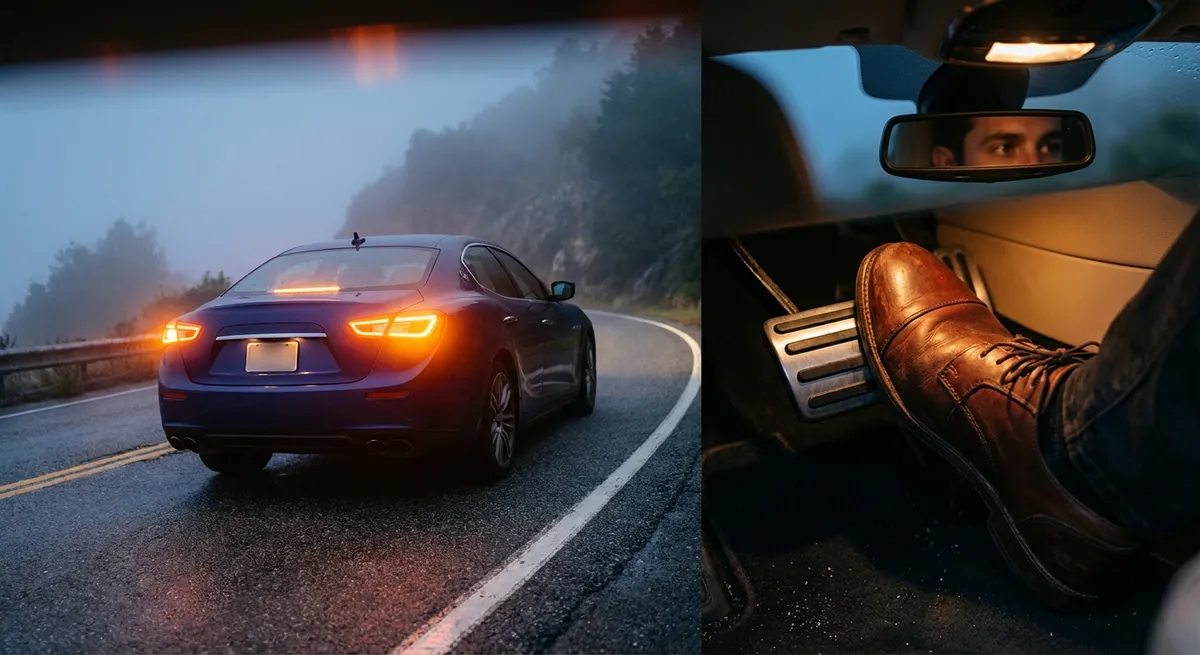
The brake pedal is the most honest storyteller in your vehicle. Its feel—subtle as it may be—can reveal issues long before warning lights appear.
A firm, consistent pedal that responds predictably through its travel is ideal. If you notice a slow “sinking” pedal under steady pressure, that may indicate internal leakage within the master cylinder or a problem in the hydraulic system, even if no fluid is visibly escaping. A spongy pedal can signal trapped air, moisture-contaminated brake fluid, or degraded rubber hoses expanding under pressure.
Pay attention not only to how the pedal feels when you brake hard, but during low‑speed, gentle stops in traffic or parking maneuvers. Variations in pedal height, a slight pulsing, or a pedal that firms up after a pump and then softens again are early clues of rotor irregularities, uneven pad deposits, or small leaks. The discerning driver treats these micro-changes as an early-warning language—not as something to “get used to.”
Adopting the habit of a weekly “quiet stop” test—on a safe, empty road—allows you to feel for changes without distractions. The goal is not aggressive braking, but calm, consistent applications that let you sense the system’s refinement, or lack thereof.
2. Listening in Layers: Differentiating Normal Brake Sounds from True Concerns
Not every sound is a crisis—but every new sound deserves respect. The sophisticated approach is to distinguish between normal acoustics and genuine red flags.
A faint, brief squeal during the first few stops on a cool, damp morning can be normal, caused by light surface rust on the rotors. This should disappear after a few applications as the rotors clean themselves. In contrast, a persistent, high-pitched squeal that appears at moderate speeds and changes when you lightly press the pedal often signals that wear indicators are touching the rotor, meaning your pads are nearing the end of their useful life.
Grinding, however, is never a premium feature. A coarse, metallic grinding or growling sound can mean the brake pad friction material has worn through, and the metal backing plate is contacting the rotor. At this stage, not only is brake performance compromised, but repair costs escalate significantly.
Pay attention to location-specific sounds: a noise that appears only when turning left or right while braking might point to hardware issues, caliper slide problems, or even wheel bearing concerns. True refinement lies in noticing patterns: Does the sound change with speed, temperature, steering angle, or pedal pressure? Sharing those specifics with your technician can turn a vague complaint into a precise diagnosis—and often a more economical repair.
3. Temperature, Terrain, and Technique: How Driving Style Shapes Brake Health
Brake safety isn’t defined only in the workshop—it’s refined every day on the road. The way you use your brakes determines how predictable and consistent they remain over time.
On long downhill stretches, continuous light braking may feel gentle, but it’s one of the fastest ways to overheat your system. Heat is the enemy of braking consistency: as components heat up, friction characteristics change, pads can glaze, and fluid can approach its boiling point, resulting in “fade” and a softer, less responsive pedal. A more sophisticated technique is “intermittent firm braking”: apply firm, controlled pressure to slow the car significantly, then release to allow components to cool before braking again.
In city driving, frequent start‑stop traffic rewards anticipation. Reading traffic lights, maintaining appropriate following distances, and easing off the accelerator earlier instead of rushing and braking late can dramatically reduce both pad and rotor wear. This not only extends component life, it preserves the composure and consistency of your braking system, so that when you truly need full performance, it’s there.
For those with performance or heavier vehicles, be aware that factory systems are often tuned to a broad audience. If your usage includes frequent high‑speed driving, towing, or mountain routes, discussing upgraded pads, rotors, and fluid with a trusted professional can add real safety margin—not as a cosmetic enhancement, but as a functional refinement.
4. Brake Fluid Discipline: The Often-Ignored Foundation of Confident Braking
Among all maintenance items, brake fluid is the quiet professional that is too often neglected. Yet it is central to pedal feel, stopping power, and consistent performance in emergencies.
Most modern brake fluids are hygroscopic—they absorb moisture over time from the atmosphere, even through hoses and seals. As water content increases, the boiling point of the fluid decreases. Under heavy braking or repeated stops, fluid can vaporize into gas pockets, which compress easily and cause a dramatic drop in braking performance and pedal firmness when you need it most.
Even if your brakes “feel fine” in ordinary driving, aged fluid can hide its shortcomings until a critical, high‑demand stop exposes them. That is why many manufacturers and safety organizations recommend replacing brake fluid at defined intervals, often every two to three years, regardless of mileage.
A refined approach includes:
- Requesting that your technician measure brake fluid moisture content or boiling point during service.
- Insisting on quality, name-brand fluid that meets or exceeds your vehicle’s specified standard (DOT 3, 4, 5.1, etc.).
- Ensuring all four wheels and the ABS system are properly bled, not just “topped up,” to remove old, contaminated fluid.
Treat brake fluid as you would any high‑performance hydraulic component in a precision instrument: invisible when maintained correctly, unforgiving when ignored.
5. Curated Service, Not Commodity: Building a Brake Safety Partnership
For drivers with elevated expectations, brake work should never feel like a quick, interchangeable commodity. The way your brakes are serviced strongly influences both safety and driving character.
Seek out workshops that provide clear, detailed inspections rather than simple “pass/fail” checkboxes. A premium‑minded technician will measure pad thickness at each wheel, document rotor thickness and condition, check caliper movement and hardware, and inspect hoses and lines for subtle cracking or corrosion. You should feel comfortable asking to see the removed components; worn pads and scored rotors tell a visual story that helps you understand the recommendations.
Equally important is the quality of parts used. Not all brake pads are engineered alike. Some prioritize low dust, others cold‑weather performance, others high‑temperature stability. For refined daily driving, you may prefer pads that strike a balance between quiet operation, consistent pedal feel, and predictable performance in both city and highway conditions. Discussing these nuances with your service provider transforms brake repair from a “replacement” into a thoughtful selection.
Finally, maintain a personal log: the date and mileage of pad and rotor changes, brake fluid flushes, and any unusual symptoms you’ve noticed. Over time, patterns emerge—how long pads typically last in your driving environment, when fluid starts to degrade, and which brands perform best for your needs. This level of attention elevates brake safety from reactive to proactive, ensuring that your vehicle remains composed, responsive, and ready.
Conclusion
Brake safety, at its highest level, is not about anxiety—it’s about assurance. It is the quiet confidence that comes from understanding what your pedal is telling you, discerning between harmless noise and meaningful warning, and respecting how driving style and maintenance decisions shape long‑term performance. By paying attention to the subtleties—pedal feel, sound character, fluid quality, and the caliber of service—you transform routine stops into a refined, deliberate act of safety. For those who demand more from their vehicles, that cultivated confidence is not a luxury; it is the standard.
Sources
- National Highway Traffic Safety Administration (NHTSA) – Brakes and Safety - Overview of brake system safety, common issues, and regulatory guidance
- [U.S. Department of Transportation – Brake System Safety Basics](https://www.transportation.gov/ brake-safety) - General brake safety information and maintenance considerations
- AAA – Car Brake Systems: How They Work and When to Service Them - Practical explanation of brake components, warning signs, and service intervals
- SAE International – Brake Fluid and System Performance - Technical discussion of brake fluid moisture absorption and its impact on braking performance
- Edmunds – How to Know When You Need New Brakes - Consumer-focused guide to recognizing brake wear symptoms and planning service
Key Takeaway
The most important thing to remember from this article is that this information can change how you think about Safety Tips.