For the discerning driver, a smooth, predictable stop is more than a safety requirement—it is a hallmark of a well‑kept vehicle. Brake systems, when properly understood and cared for, deliver a quiet confidence that transforms every deceleration into an exercise in composure. This is not about obsessing over parts and torque values; it is about cultivating an informed calm whenever your right foot moves from throttle to pedal.
Below, we explore the brake system as a whole—mechanical, hydraulic, and electronic—and then unveil five exclusive, under‑discussed insights that safety‑focused owners will genuinely appreciate.
The Modern Brake System, Deconstructed with Intent
At its core, a modern hydraulic brake system translates gentle pedal pressure into controlled clamping force at each wheel. The process appears simple from the driver’s seat, yet the orchestration beneath is anything but.
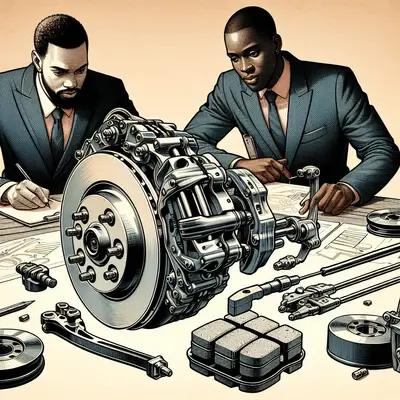
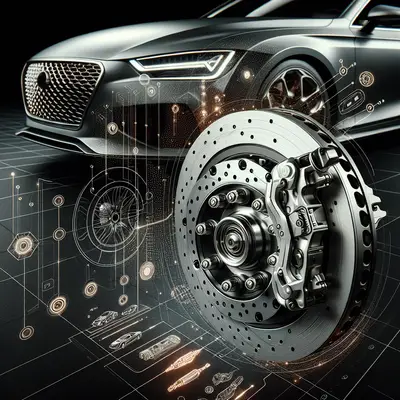
When you depress the pedal, a brake booster (vacuum or electric) multiplies your input, pushing a piston in the master cylinder. This piston pressurizes brake fluid, sending it through rigid lines and flexible hoses to calipers (disc brakes) or wheel cylinders (drum brakes). At each wheel, friction material—pads or shoes—presses against cast‑iron or composite rotors and drums, converting kinetic energy into heat.
Layered on top of this mechanical and hydraulic foundation is an electronic safety net: Anti‑lock Braking Systems (ABS), Electronic Stability Control (ESC), and, in many cases, advanced brake assist and automated emergency braking. These systems modulate pressure in milliseconds, ensuring that your tires remain in maximum contact with the road—especially when you need to stop short on an imperfect surface.
For a safety‑minded owner, understanding this architecture is empowering. You begin to hear and feel the car differently: a change in pedal firmness, a new sound when coming to a stop, or a slightly longer braking distance ceases to be “odd” and becomes meaningful data you can act on.
Beyond “Squeal and Shake”: Reading the Nuances of Brake Feel
Many drivers only react when brakes are loudly squealing or visibly shaking. A more refined approach involves noticing subtler shifts in feedback long before obvious symptoms appear.
Pedal feel should be consistent, firm, and progressive. If the pedal gradually begins to sink lower before engaging, or if it occasionally feels spongy, that can signal moisture‑laden fluid, early internal leaks, or expanding rubber hoses. A very high, overly sensitive pedal may indicate improperly adjusted components or pads that are prematurely glazing from excess heat.
Likewise, the transition from motion to standstill should be seamless. If the last few feet of braking feel grabby, jerky, or slightly uneven, you may be experiencing early rotor thickness variation, pad contamination, or caliper slide pin issues. These are conditions that rarely cause dramatic failures overnight—but they do quietly lengthen stopping distances and erode stability.
The safety advantage for a detail‑oriented owner is clear: by trusting your impressions and documenting changes, you naturally move from reactive repair to anticipatory upkeep.
Five Exclusive Insights for Safety‑Focused Brake Owners
The following insights go beyond the usual “check your pads, change your fluid” advice. Each one addresses an area often overlooked, yet highly relevant for those who demand both safety and refinement from their brakes.
1. The “Heat Signature” of Your Driving Style Matters
Brakes do not simply wear out; they wear in patterns that mirror your habits. Short, aggressive stops from high speed generate intense, localized heat, often leading to pad glazing and rotor hotspots. Long, gentle braking on steep descents, meanwhile, can keep components at elevated temperatures for extended periods, accelerating fluid degradation and caliper seal wear.
A sophisticated owner pays attention to their brake “heat signature”:
- After spirited or mountain driving, allow a few light, rolling stops before parking. This helps distribute heat evenly and reduces the risk of rotors developing hard spots from pads clamping on a single hot area.
- Avoid sitting stationary with a firm foot on the brake pedal immediately after heavy braking. That concentrated pressure on an overheated rotor can encourage subtle warping and uneven pad deposits.
- Consider your typical routes. Urban stop‑and‑go, high‑speed commuting, and frequent downhill driving each demand different service intervals and potentially different pad compounds.
Safety implication: Not all “normal” usage is equal. By aligning service frequency and driving technique with your specific heat signature, you preserve both stopping performance and component integrity.
2. Brake Fluid Age Is as Critical as Pad Thickness
Owners frequently obsess over pad life while ignoring the lifeblood of the system: brake fluid. Because glycol‑based fluids are hygroscopic, they absorb moisture over time—even in vehicles that are rarely driven. This water contamination lowers the fluid’s boiling point and increases the risk of vapor lock during heavy braking, when superheated fluid can form compressible gas pockets, causing a sudden, alarming loss of pedal firmness.
Key refined practices:
- Treat time as important as mileage. Many manufacturers recommend fluid replacement at intervals such as every 2–3 years, regardless of miles driven. Low‑mileage, occasionally used vehicles can actually be at greater risk of moisture accumulation and internal corrosion.
- If you drive in hilly terrain or tow, you may benefit from a higher‑performance fluid that maintains a higher boiling point—provided it meets or exceeds the specifications listed in your owner’s manual.
- During service, request that your technician inspect for leaks at calipers, master cylinder, and lines. Subtle weeping that leaves no visible puddle can still degrade performance and shorten component lifespan.
Safety implication: In an emergency stop, it is the state of your fluid, as much as the thickness of your pads, that preserves a firm, trustworthy pedal.
3. Caliper Health Is the Quiet Guardian of Even Braking
Pads and rotors are often replaced on a schedule, but the calipers that manage them can silently deteriorate over years. Seals age, slide pins lose lubrication, and pistons can begin to stick. The result is uneven application: one wheel braking harder, another dragging ever so slightly long after your foot has lifted.
Subtle indicators of caliper concerns:
- Your vehicle consistently drifts slightly to one side under firm braking, despite proper alignment.
- One wheel’s brake dust buildup is noticeably heavier than the others.
- After a drive, one wheel feels much hotter to the touch (or smells hotter) than its counterparts.
A meticulous approach:
- When replacing pads and rotors, insist on a thorough caliper service: cleaning, relubricating slide pins with high‑temperature brake grease, and inspecting dust boots and seals.
- In climates with road salt or coastal air, consider caliper inspections as a higher priority; corrosion can subtly compromise movement long before components visibly fail.
Safety implication: Balanced braking is about more than matching pad brands across axles; it depends on calipers that move freely and symmetrically, stop after stop.
4. ABS Feedback Is a Conversation, Not an Alarm
For some drivers, ABS activation can feel startling: the pulsing pedal, the rapid clicking sensation, the firm vibration underfoot. In reality, this is your vehicle quietly maximizing traction, preventing wheel lockup, and preserving steering control. How you interpret that feedback—and whether you’ve felt it before—has direct safety implications.
Refined understanding:
- On a safe, open surface (such as a wet but empty parking lot), consider practicing a firm stop to the point of ABS engagement. Familiarity now will help you remain composed and decisive during a real emergency.
- During ABS activation, maintain firm, steady pressure instead of “pumping” the pedal. The system is already modulating pressure far faster than any human could.
- If your ABS activates too readily during moderate braking on dry pavement, or if the ABS warning light illuminates, that warrants a professional evaluation: aging wheel speed sensors, wiring issues, or tone ring corrosion can degrade the system’s reliability.
Safety implication: ABS is most effective when the driver recognizes its sensation as reassurance, not as a cue to panic or alter pedal input.
5. Tire and Suspension Condition Quietly Dictate Brake Performance
Many owners think of braking purely as a function of pads and rotors. In reality, your tires and suspension are equally responsible for how effectively you stop. Brakes can only do their job to the extent that your tires maintain contact and grip, and that your suspension keeps the vehicle properly balanced during weight transfer.
Refined considerations:
- Tire age and compound matter. A tire with adequate tread but hardened rubber (often due to age, heat cycles, or UV exposure) can drastically extend stopping distances, particularly in the wet.
- Worn shocks and struts permit excessive front‑end dive, which can overload front tires while underutilizing rear brakes. The result is reduced overall stopping efficiency and less stability under hard braking.
- Irregular tire wear—cupping, feathering, or pronounced inner/outer shoulder wear—often signals alignment or suspension concerns that will surface most dramatically when you need maximum braking force.
Safety implication: A premium brake setup cannot overcome compromised tire grip or unstable suspension. Ensuring that these elements are in harmony is essential to realizing the full safety potential of your braking system.
Conclusion
To the safety‑conscious, detail‑oriented driver, a brake system is not merely a collection of replaceable parts; it is a finely balanced network of mechanical, hydraulic, electronic, and structural elements, all working in concert to deliver one simple promise: when you ask the vehicle to stop, it does so predictably, confidently, and under control.
By understanding your driving “heat signature,” respecting the critical role of brake fluid, prioritizing caliper health, interpreting ABS as a partner rather than an alarm, and acknowledging the quiet influence of tires and suspension, you elevate your relationship with your brakes from reactive maintenance to proactive stewardship.
The result is not just shorter stopping distances, but a composed, premium driving experience—one where every stop feels as deliberate and refined as every mile in between.
Sources
- National Highway Traffic Safety Administration (NHTSA) – Brake Systems Overview - Explains fundamental brake system components and federal safety standards.
- U.S. Department of Energy – Vehicle Braking Systems - Technical discussion of braking dynamics, heat, and energy conversion.
- SAE International – Brake Fluid Hygroscopicity and Performance - Research on moisture absorption in brake fluid and its impact on boiling point and safety.
- Continental Automotive – ABS and ESC Information - Manufacturer insights into ABS operation and vehicle stability technologies.
- Tire Rack – The Influence of Tires on Braking Distance - Compares braking performance across tire types and conditions.
Key Takeaway
The most important thing to remember from this article is that this information can change how you think about Brake Systems.