Even the most powerful vehicle is only as capable as its ability to stop—calmly, predictably, and without drama. For drivers who value refinement and control, brake repair is more than a workshop errand; it is a curated process of safeguarding every journey. This guide is designed for owners who want to engage intelligently with technicians, understand the nuances behind a “simple” brake job, and insist on standards that match their expectations. Along the way, you’ll find five exclusive insights that elevate brake servicing from routine maintenance to a disciplined craft.
Understanding the Modern Brake Repair Conversation
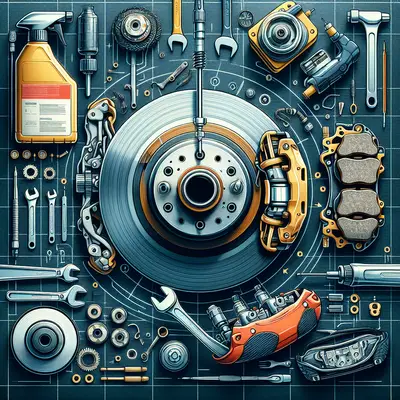
For many drivers, “I need new brakes” translates into a vague service invoice and an anxious wait in the lounge. A more sophisticated approach begins with understanding what a thorough brake repair actually includes. At its core, a complete service involves more than replacing pads and sending you back on the road; it should account for the health of rotors, calipers, brake fluid, hardware, and the electronics that now govern much of your vehicle’s stopping behavior.
Discerning owners approach brake repair as a two-way conversation rather than a one-directional recommendation. This means asking technicians to explain measurements—such as remaining pad thickness, rotor runout, and minimum rotor specifications—rather than accepting the generic phrase, “they’re getting low.” It also means requesting a visual inspection summary or photos when possible, especially if you are not present in the service bay.
The goal is not to second-guess professionals, but to ensure that decisions are based on measured data, not guesswork or habit. When you understand the anatomy of your brake system, you can prioritize necessary work, defer what is safe to defer, and insist on parts and procedures that align with your standards, not merely the minimum acceptable threshold.
The Structure of a Refined Brake Repair
A premium brake repair process has a quiet, methodical rhythm. It begins with a test drive to confirm reported symptoms: pulsation, noise, pulling, longer stopping distances, or a softer pedal. From there, a technician should remove all four wheels and inspect pad thickness, rotor condition, caliper operation, brake lines, hoses, and hardware such as shims, clips, and pins.
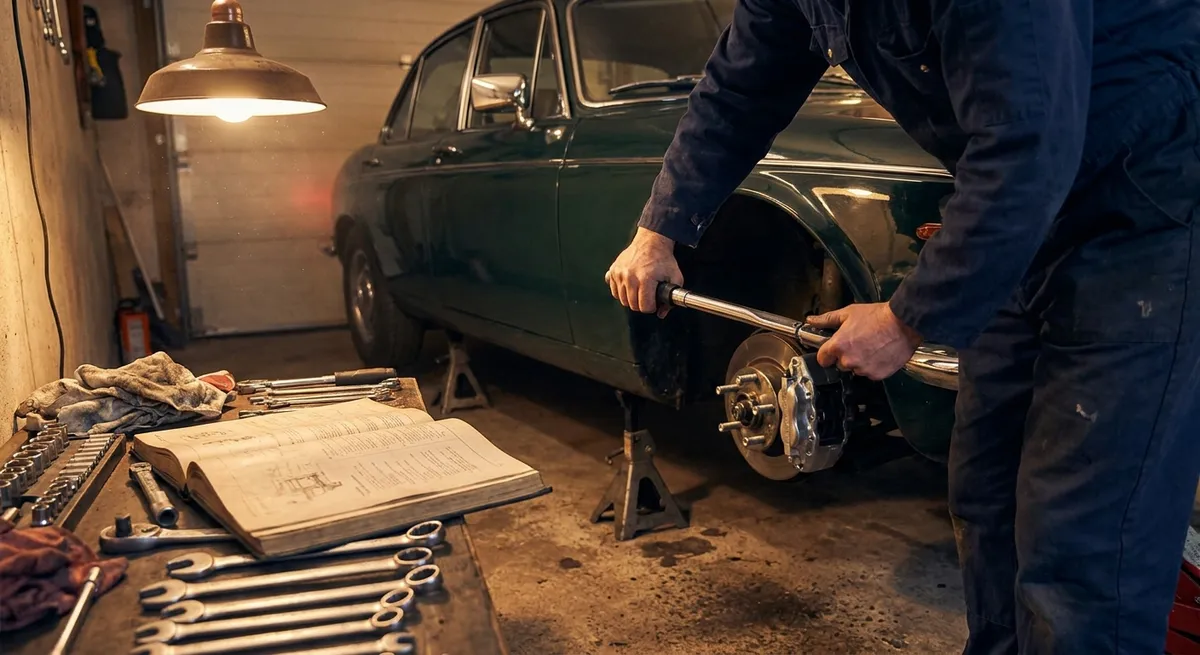
The most refined shops treat clean mechanical interfaces as non-negotiable. Contact surfaces are carefully cleaned, rust is removed from hub faces, and sliding surfaces are lubricated with the correct high-temperature compounds—never with casual, multipurpose grease that can swell rubber components or lose effectiveness when hot. Bolts are torqued to specification rather than “tightened until they feel right,” ensuring even clamping forces and preserving the integrity of the hardware.
A thoughtful repair will also address brake fluid if it is due—typically every 2–3 years, or as recommended by the manufacturer. Old fluid absorbs moisture, which can corrode internal components and reduce braking effectiveness during hard stops when temperatures rise. By integrating fluid service into the brake repair schedule, you’re not just replacing parts; you are preserving the system as a coherent whole.
Exclusive Insight #1: Request Rotor Runout and Thickness Data
Most owners never hear words like “runout” or “parallelism,” yet these measurements determine the smoothness of every stop. Rotor runout is the amount of lateral “wobble” as the rotor turns, while thickness variation refers to small differences in rotor thickness around its circumference. Both can contribute to brake pulsation and uneven pad wear.
Instead of accepting “your rotors are warped” as a catch-all explanation, ask for actual measurements. Reputable shops will use a dial indicator to measure runout and a micrometer to check thickness at several points. These values are compared against manufacturer limits stamped on the rotor or listed in service data.
When you request this information, a few important things happen. First, unnecessary rotor replacement is less likely—if measurements are within specification and the surface is in good condition, machining or careful deglazing may be sufficient. Second, if rotors do need to be replaced, you can confirm the decision is data-driven. Over time, this practice builds a documented history of your brake system’s condition, giving you better insight into driving patterns, component quality, and whether there might be underlying issues (like hub or bearing problems) causing recurring rotor distortion.
Exclusive Insight #2: Insist on Matching Friction Profiles, Not Just Matching Brands
Most drivers focus on brand names or prices when selecting brake pads, but the friction profile—the way a pad develops stopping force across temperature and speed—is what defines how the vehicle feels under braking. Two pads from the same manufacturer can behave very differently: one optimized for quiet, low-dust city driving; another tuned for repeated hard stops and higher operating temperatures.
For vehicles equipped with sophisticated stability control, adaptive cruise, or automated emergency braking, friction consistency is crucial. Mismatched or bargain pads can subtly alter pedal feel, change how the vehicle responds in emergency maneuvers, and even influence how electronic aids modulate braking at the limit.
Ask your shop to select pads that are comparable in friction characteristics to the original equipment (OE) or, where appropriate, to use genuine OE pads. This is especially important on premium and performance vehicles, or those whose safety systems are calibrated very precisely. A skilled technician or service advisor should be able to explain the choice: why this compound, for this vehicle, and for your driving profile. You are not just buying pads; you are specifying how your vehicle will respond the next time you need every metre of stopping distance.
Exclusive Insight #3: Treat Hardware as Critical, Not Optional
In many budget brake jobs, hardware—the clips, shims, springs, and pins that help pads retract, align, and stay quiet—is reused out of habit or overlooked entirely. For a safety-conscious owner, this is an unacceptable compromise.
These seemingly minor components serve several vital functions: they reduce vibration (and thus noise), ensure even pad contact, help dissipate heat, and allow pads to move smoothly as they wear. Corroded or fatigued hardware can cause pads to drag slightly, leading to elevated temperatures, glazing, premature wear, and a subtle loss of braking precision.
When scheduling brake work, specify that pad hardware is to be replaced with each full brake service, preferably using premium stainless kits or OE-equivalent components. This is particularly important in regions with road salt or high humidity, where corrosion accelerates. The cost increment is modest, yet the improvement in consistency, longevity, and refinement can be significant—especially if you’re attuned to changes in pedal feel and noise.
Exclusive Insight #4: Consider Brake Fluid as Part of Your Stopping Strategy
Brake fluid is often treated as an afterthought, yet it is the medium that translates pedal input into clamping force at the wheels. Over time, brake fluid absorbs moisture through seals and hoses. This moisture lowers the fluid’s boiling point and encourages internal corrosion in calipers, master cylinders, and ABS components.
In spirited driving or emergency stops, brakes can generate enough heat to bring contaminated fluid near its boiling point, forming vapor bubbles that compress easily—resulting in a longer, softer pedal and reduced braking capability. For drivers who value predictable stopping power, letting brake fluid quietly age for a decade is not an option.
A refined maintenance routine includes a complete brake fluid exchange on a set interval, tailored to how and where you drive. If you frequently descend long grades, drive in mountainous regions, tow, or own a performance-oriented vehicle, consider more frequent service. Ask your shop what fluid standard they are using (DOT 3, DOT 4, or a higher-performance equivalent) and confirm it meets or exceeds your vehicle manufacturer’s specification. In effect, you are curating the hydraulic “character” of your braking system just as deliberately as you might choose engine oil.
Exclusive Insight #5: Test Drive With Purpose After Any Brake Repair
The first drive after brake work should never be rushed or distracted. It is your opportunity to verify that the vehicle’s stopping performance aligns with your expectations and that the repair was executed properly. Think of it as a quality assurance session, not simply a journey back home.
Begin with gentle stops in a safe area, listening for any abnormal sounds—sharp squeals, grinding, or metallic scraping. Pay close attention to pedal feel: Is it firm, progressive, and consistent, or spongy, overly sensitive, or vague? As the brakes warm slightly, perform a series of moderate stops, noticing whether the car tracks straight or drifts, and whether the steering wheel remains steady or vibrates.
If your vehicle is equipped with advanced driver-assistance features, evaluate how they behave under braking. Does adaptive cruise maintain smooth, controlled deceleration? Does forward collision warning engage predictably when tested in a safe, controlled manner? If anything feels off, resist the temptation to “see if it improves.” Return to the shop promptly and describe your observations precisely. A discerning test drive completes the repair process and ensures that your confidence in the car’s stopping capabilities is fully restored.
Conclusion
Brake repair, when approached with intention, is not a hurried line item on a service invoice but a carefully managed safeguard of your vehicle’s most essential function. By engaging with the process—requesting rotor measurements, insisting on matched friction characteristics, treating hardware and fluid as critical components, and validating the results with a deliberate test drive—you move from passive customer to informed steward of your own safety.
The composed stop is never an accident. It is the result of measured decisions, quality components, and an insistence on standards that match the level of confidence you expect every time your foot meets the pedal. When you treat brake repair as a refined practice rather than a last-minute reaction, you give yourself, and your passengers, the quiet assurance that every journey can end as gracefully as it begins.
Sources
- National Highway Traffic Safety Administration (NHTSA) – Brakes and Safety - Overview of brake system safety considerations and federal standards
- U.S. Department of Transportation – Brake System Inspection Guidance - Regulatory perspective on proper brake inspection and maintenance practices
- AAA – How to Know When You Need Brake Service - Consumer-focused guidance on brake wear, warning signs, and service expectations
- SAE International – Brake Rotor Metrology and Performance - Technical discussion on rotor runout, thickness variation, and their impact on braking
- University of Texas at Austin – Brake Fluid Properties and Performance - Educational resource detailing brake fluid behavior, boiling points, and system performance implications
Key Takeaway
The most important thing to remember from this article is that this information can change how you think about Repair Guides.