There is a quiet luxury in a car that simply stops—without drama, without noise, without doubt. For safety‑minded drivers, that feeling is not an accident; it’s the result of deliberate, intelligent maintenance. Brake care is often discussed in blunt, generic terms, yet the most reassuring systems are maintained with nuance, timing, and a keen eye for detail. This guide explores a more refined approach to brake maintenance—one that favors anticipation over emergency, and composure over crisis—along with five exclusive insights that careful owners tend to know, but rarely articulate.
Rethinking “Normal”: How a Refined Driver Defines Brake Health
Most drivers wait for obvious symptoms: squeals, grinding, a longer pedal travel. The discerning driver works from a different definition of “normal” and notices when the slightest detail shifts.
Start with pedal feel. A healthy brake pedal is firm, progressive, and consistent from day to day. Any softening, slight pulsation, or change in resistance—especially after repeated stops on a familiar commute—is a signal worth respecting. Likewise, the car’s behavior under light braking is critical; a subtle pull to one side, a faint vibration through the steering wheel, or a momentary delay before the car “takes a set” are not quirks to ignore, but early warnings.
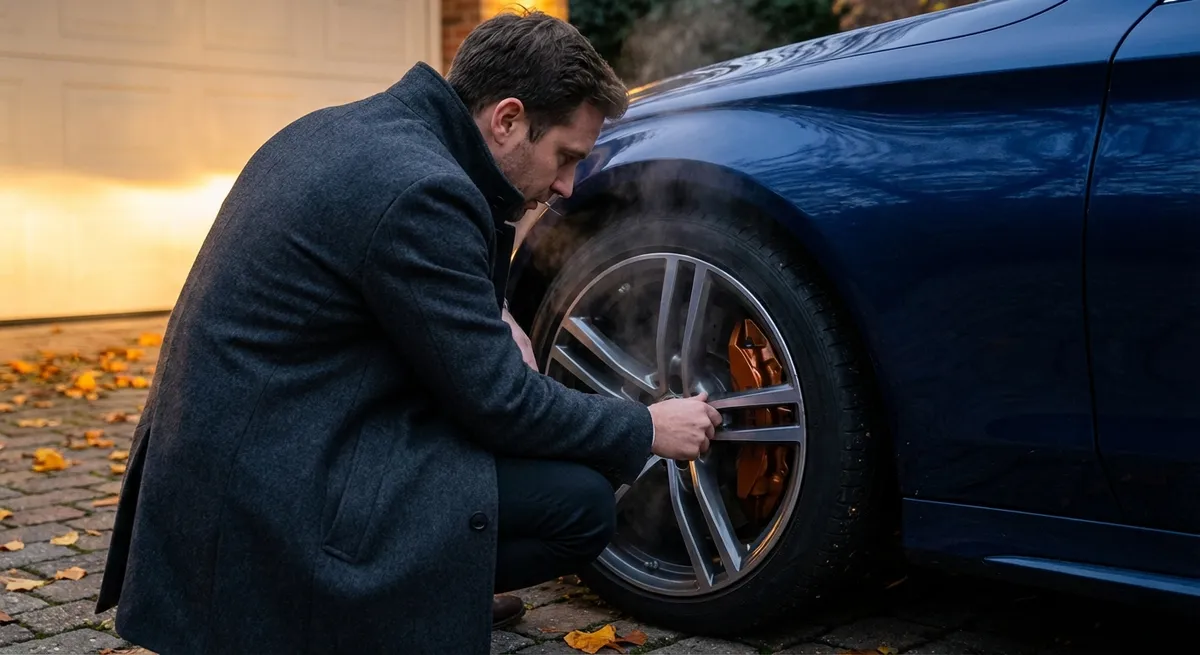
Sound and scent also matter. An occasional squeak on a cold, damp morning can be benign, but persistent or worsening noises, even if faint, suggest glazing, uneven pad wear, or hardware fatigue. A whiff of hot, acrid odor after mild city driving—not aggressive mountain descents—may indicate dragging calipers or a parking brake that isn’t fully releasing.
The refined approach: catalog what your car feels, sounds, and smells like when everything is perfect. That becomes your personal baseline—your reference point for catching deviations early, when repairs are simpler, cheaper, and safer.
The Hidden Lifeblood: Treating Brake Fluid as a Precision Component
Brake fluid is often treated as an afterthought, yet it is the medium that translates your subtle foot movement into decisive stopping power. Over time, brake fluid absorbs moisture from the air, which lowers its boiling point and accelerates internal corrosion. For the meticulous driver, fluid quality is not a check-box—it’s a performance and safety parameter.
Even if the pedal feels “fine,” brake fluid can be quietly degrading. Moisture-laden fluid is especially dangerous during prolonged braking, where heat can cause localized boiling and a sudden, disconcerting soft pedal. High‑end vehicles and performance applications highlight fluid specifications for this reason, but the principle applies to everyday sedans and SUVs as well.
A premium maintenance habit is to treat fluid replacement as time‑based, not just mileage‑based. Many manufacturers suggest two to three years as a guideline; a sophisticated driver respects that schedule, even if the car is driven modestly. Equally important is using the correct fluid type (DOT 3, DOT 4, DOT 5.1) specified by the manufacturer—stepping “up” to a higher spec without need or understanding can be counterproductive, especially if service practices don’t match the fluid’s characteristics.
A fluid flush performed by a competent technician does more than “top off” the reservoir. It purges old, moisture‑laden fluid from calipers, ABS valves, and lines, helping preserve internal components and maintaining crisp, predictable pedal feel—hallmarks of a well‑kept braking system.
Exclusive Insight #1:
Refined owners treat brake fluid like engine oil in a performance engine: replaced proactively, using the exact specification and interval recommended—not merely when a warning light appears.
Surfaces in Dialogue: Pads, Rotors, and the Art of Even Contact
Brake pads and rotors are often discussed as simple wear items, but in practice they behave more like a matched pair designed to work in harmony. Under ideal conditions, pad material transfers evenly to the rotor surface, creating a consistent “friction layer” that delivers smooth deceleration and clear pedal feedback.
Problems arise when that relationship is disrupted—by heat, contamination, or poor installation. The result is not just noise or vibration, but a degradation in the subtle confidence you feel when modulating the pedal on a wet downhill or in heavy traffic.
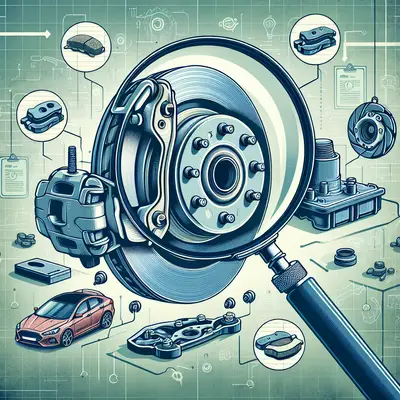
Premium maintenance involves three linked practices. First, insisting that pads and rotors be evaluated as a set; resurfacing or replacing rotors when they are worn, uneven, or below minimum thickness, rather than simply sliding new pads onto a compromised surface. Second, following proper “bedding‑in” procedures recommended by the pad manufacturer, which establish an even transfer layer and help prevent judder. Third, ensuring that caliper slides are cleaned and lubricated correctly so that both pads make full, even contact.
Owners who value quiet, composed braking often go a step further, asking for high-quality, application‑appropriate pads rather than the cheapest available option. The result is more stable friction characteristics, less fade, and a calmer cabin—especially under repeated stops.
Exclusive Insight #2:
Discerning drivers think in terms of a “braking surface system”—pads, rotors, and calipers acting in concert—rather than viewing pads as disposable pieces to be swapped in isolation.
Quiet Guardians: Hardware, Dust, and the Small Parts That Matter More Than You Think
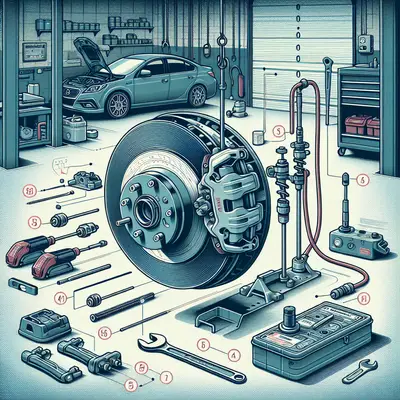
In many rushed brake jobs, the smallest pieces are the first to be overlooked: shims, clips, springs, and guide pins. Yet these subtle components are central to a refined braking experience. They control pad movement, manage noise, and help ensure that the system returns to a neutral, drag‑free state after each stop.
Corroded or seized slide pins can cause uneven pad wear, pulling, and increased fuel consumption from constant drag. Tired or missing hardware can lead to clunks, rattles, and inconsistent brake response. Even pad shims—those thin backing layers—play a role in damping vibration that would otherwise become audible squeal.
Brake dust, too, tells a story. Excessively dusty front wheels compared with the rear may be normal for some designs, but sudden changes—more dust, or a new pattern side-to-side—can signal uneven loading, stuck calipers, or poor pad quality. A periodic wheel cleaning that doubles as a visual inspection of caliper condition, rotor surface, and hardware presence is a subtle but powerful habit.
When commissioning brake work, the safety‑conscious owner explicitly requests that new, OEM‑quality or better hardware be installed and that slide pins be cleaned and properly lubricated—not merely “checked.” This insistence on the unglamorous details is what transforms routine service into a genuinely premium outcome.
Exclusive Insight #3:
Meticulous owners quietly specify “full hardware service” with every major brake job, understanding that small components profoundly influence noise, pedal feel, and long‑term reliability.
Climate, Driving Style, and the Personalized Brake Strategy
No two braking environments are the same. A vehicle used for urban commuting in a temperate climate has entirely different brake stresses than one that tows in the mountains or sits unused for long periods in a coastal city. The sophisticated owner builds a maintenance plan that fits the car’s actual life, not an abstract average.
In cold regions with road salt, corrosion is a primary enemy; annual or semi‑annual inspections focused on caliper movement, backing plates, and rust buildup are crucial. In hot, hilly locations—or for drivers who tow or descend long grades—managing heat becomes central: using appropriate pad compounds, respecting engine braking, and allowing brief cooling periods during intense use.
Short‑trip city driving creates its own pattern: frequent, low‑speed stops that keep rotors from fully drying and promote surface rust. Over time, this can lead to noisy, uneven braking if not monitored. Infrequently driven vehicles introduce another risk: seals drying, sliders binding, and rotors developing corrosion spots that become noticeable as pulsing under light braking.
A elevated strategy acknowledges these realities: slightly more frequent inspections in harsh climates, a focus on cleanliness and lubrication in high‑salt regions, and a calendar‑based brake check for rarely driven vehicles—even when mileage is low.
Exclusive Insight #4:
Refined drivers adjust their brake maintenance interval and focus based on climate, terrain, and usage pattern, rather than relying solely on generic mileage milestones.
Turning Service Visits into Safety Audits: How to Work with Your Technician
For safety‑conscious owners, a brake service visit is more than a transaction; it’s an opportunity to gather information about the car’s evolving condition. The way you frame your requests can determine the quality and depth of the work performed.
Instead of asking, “Do I need new brakes?” consider asking for a detailed measurement and report: pad thickness at each wheel, rotor thickness and condition, fluid age or test results, hardware condition, and any early signs of uneven wear. Request that old parts be kept for your inspection—an elegant way to both learn and verify.
Clarity about parts is paramount. Confirm that the shop is using components that meet or exceed original equipment specifications, and that any deviation is intentional and documented. If you drive a vehicle with advanced driver-assistance systems (ADAS), such as automatic emergency braking, ensure the technician understands that consistent, predictable brake performance is integral to those systems’ reliability.
Finally, cultivate a rhythm. A brief brake‑focused evaluation during tire rotations or seasonal service creates a low‑stress, high‑awareness cycle. Rather than waiting for a crisis, you are continuously informed, making small, timely decisions that preserve both safety and serenity.
Exclusive Insight #5:
Discerning owners treat every brake service as a structured safety audit—requesting measurable data, inspecting removed parts, and maintaining a written record of brake condition over time.
Conclusion
Exceptional brake maintenance is not about fear; it is about quiet certainty. The most reassuring cars do not shout their capability—they simply respond, stop after stop, in rain, heat, and darkness, with the same composed precision. By elevating attention to brake fluid, treating pads and rotors as a system, respecting the role of hardware, tailoring care to your environment, and transforming service visits into safety audits, you create something rare: a braking system that feels as considered as the rest of your life.
In that calm, predictable pedal—neither too soft, nor too harsh—you’ll find the true luxury of driving: the confidence to move swiftly, knowing you can always come to an uneventful, perfectly controlled stop.
Sources
- National Highway Traffic Safety Administration (NHTSA) – Brakes and Brake Systems - Overview of brake safety, components, and regulatory considerations from a U.S. government agency
- U.S. Department of Transportation – Brake System Safety Guidelines - Federal safety guidance on vehicle systems, including braking and maintenance awareness
- Federal Trade Commission (FTC) – Auto Repair Basics - Guidance on working with repair shops, understanding services, and protecting yourself as a consumer
- AAA – Brake System Overview and Maintenance Recommendations - Detailed explanations of brake components, wear patterns, and recommended service intervals
- University of Nebraska–Lincoln – Automotive Brake Systems Educational Resource - Technical yet accessible overview of brake system operation, common issues, and maintenance best practices
Key Takeaway
The most important thing to remember from this article is that this information can change how you think about Maintenance.