For the driver who values precision, a vehicle’s braking system is not merely a set of parts—it is a curated ensemble of engineering, feel, and foresight. Beyond the obvious concern of “Will it stop?”, there is a more elevated question: How does it stop, and how consistently will it deliver that assurance under pressure? Understanding your brake system at this level transforms maintenance from a chore into a deliberate act of protection—for you, your passengers, and everyone sharing the road.
This is a refined tour inside modern brake systems, with five exclusive, often-overlooked insights that sophisticated, safety‑conscious owners quietly rely on.
Inside the Modern Brake System: More Than Pedal and Pads
Every confident stop begins with a series of orchestrated events. Your foot applies force to the brake pedal, which multiplies through a lever and is then boosted by the brake booster, typically powered by engine vacuum or an electric pump. That amplified force acts on the master cylinder, converting mechanical input into hydraulic pressure.
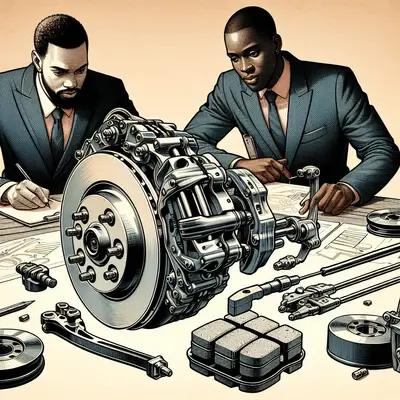
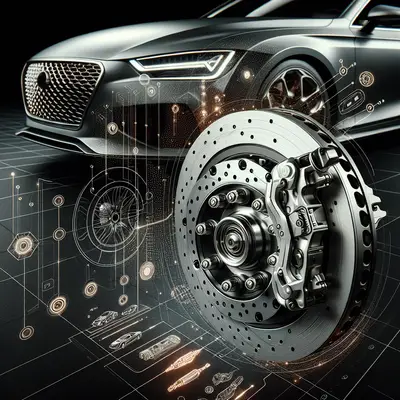
This hydraulic pressure travels through brake lines and flexible hoses to calipers or wheel cylinders at each wheel. At the front (and often the rear), disc brakes use calipers to clamp pads against a spinning rotor, converting motion into heat. Many vehicles also include rear drum brakes, where shoes expand outward against the drum surface. Overseeing this entire system is the ABS (anti‑lock braking system) and, increasingly, stability control and brake assist—electronics that modulate brake pressure thousands of times per second during emergency events to preserve steering control.
Viewed holistically, a brake system is less a single component and more a carefully balanced architecture. Pedal feel, stopping distance, fade resistance, and behavior in the wet or on steep descents all depend on how well this architecture is maintained and how appropriately it is specified for the way you drive.
Exclusive Insight #1: Pedal Feel Is a Diagnostic Instrument
Most drivers notice only whether the car stops. A more discerning driver treats the brake pedal itself as an early‑warning sensor.
A firm, consistent pedal that engages near the top of its travel typically signals a healthy, well‑bled hydraulic system. A pedal that slowly sinks under steady pressure can point toward internal master cylinder wear or a hidden fluid leak, even if no puddle is visible. A spongy, elastic feel often indicates air in the brake lines or degraded, moisture‑contaminated brake fluid.
Small changes are meaningful. A slightly lower engagement point after repeated hard stops can signal early pad wear or minor fluid boiling—especially after a mountain descent or spirited highway driving. A sudden increase in pedal effort needed to achieve the same deceleration may hint at a failing brake booster or a vacuum supply issue.
The refined practice is simple: periodically pay attention to the texture of the pedal, not just the outcome. Noting when the feel changes—after a long trip, a brake service, or seasonal temperature shifts—helps you identify subtle trends before they escalate into real risk.
Exclusive Insight #2: Brake Fluid Has a Quiet Expiration Date
Brake fluid is one of the least glamorous elements of your car, yet it plays a critical role in consistent, predictable braking. It must remain incompressible under extreme pressure and temperature, and it must do so in a system exposed to heat, moisture, and time.
Most modern vehicles use glycol‑based DOT 3, DOT 4, or DOT 5.1 fluid, all of which are hygroscopic—they absorb moisture from the air over time. As water content increases, the fluid’s boiling point decreases. Under heavy braking—descending a long grade, towing, or emergency stops—this can cause localized boiling in the calipers, introducing gas bubbles and resulting in a sudden spongy pedal or temporary loss of braking force (vapor lock).
This degradation is nearly invisible; the fluid may look acceptable yet perform poorly. Many manufacturers recommend replacing brake fluid every 2–3 years, but few owners follow this interval. Drivers who value consistent, high‑confidence braking treat fluid changes as non‑negotiable, not optional.
An elevated routine includes:
- Confirming the correct fluid specification (DOT rating) for your vehicle.
- Replacing fluid at defined intervals, not just “when convenient.”
- Using a trusted technician who properly bleeds the system, including ABS components when applicable.
In a well‑maintained brake system, fresh fluid is a quiet luxury you feel only in the moments that matter most.
Exclusive Insight #3: Your Tires Are Part of the Brake System
Brakes do not stop the car; tires do. Brakes simply convert kinetic energy into heat and transfer it to the tires’ contact patches with the road. Everything your braking system achieves is ultimately filtered through four patches of rubber, each roughly the size of your hand.
A premium braking setup cannot overcome worn, mismatched, or poorly inflated tires. Underinflated tires increase stopping distance and can lead to unpredictable behavior in an emergency stop, especially in the wet. Overinflated tires reduce grip and make ABS interventions more abrupt and less refined.
Tread pattern and compound also matter. High‑quality tires with sufficient tread depth channel water away from the contact patch and resist hydroplaning, allowing the ABS system and brake bias to work as intended. Cheap or aged tires harden over time, drastically reducing grip long before they are visibly “bald.”
Treat tire care as a direct investment in braking safety:
- Maintain pressures at manufacturer specs, checked cold and at least monthly.
- Monitor tread depth—not just for legality, but for optimal wet‑weather performance.
- Replace aged tires even if tread remains, especially beyond 6–8 years.
Sophisticated brake care is incomplete without an equally disciplined approach to tires. The system is only as strong as the rubber meeting the road.
Exclusive Insight #4: Heat Management Is the Hidden Guardian of Brake Performance
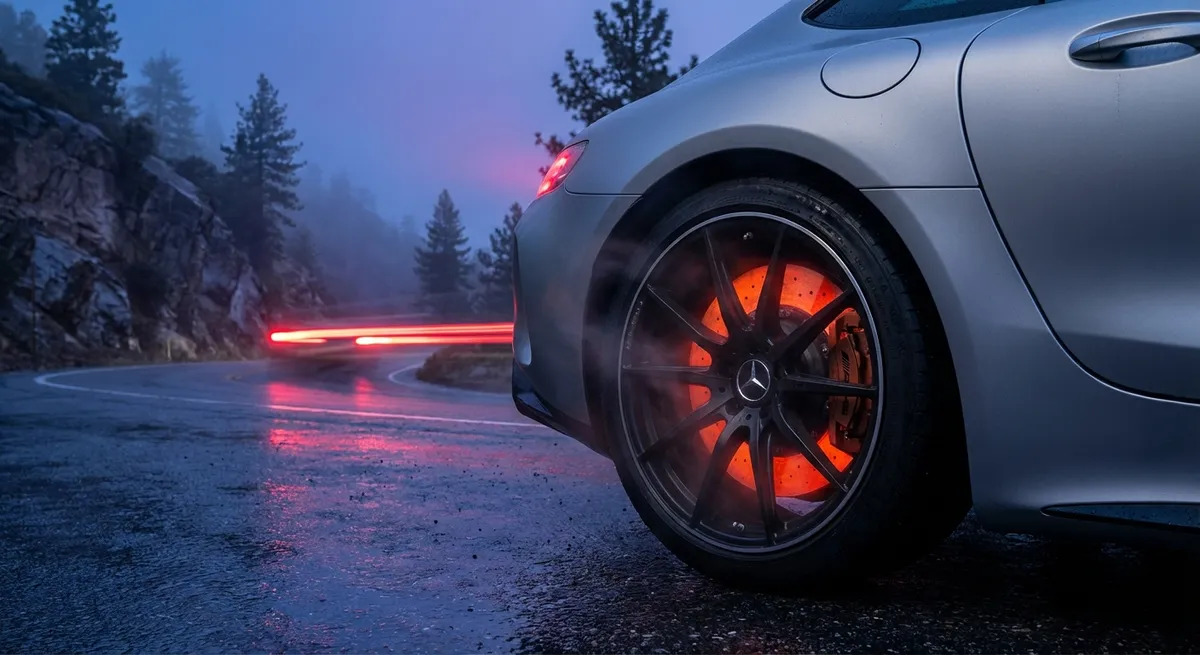
Every brake application creates heat. Under normal driving, your system dissipates it quickly. Under demanding conditions—towing, mountain descents, repeated emergency stops—heat accumulates and challenges every component.
Rotors can overheat and form hard, glazed patches or uneven deposits from the pads, leading to brake judder or steering wheel vibration under braking. Pads can outgas and lose friction effectiveness, a phenomenon known as brake fade. Fluid trapped in calipers can boil if its boiling point has been lowered by moisture contamination.
A refined driver manages brake heat with subtle techniques:
- On long descents, favor intermittent, firm applications rather than continuous light pressure; this allows intervals for cooling.
- Use lower gears (engine braking) to reduce the burden on the friction brakes.
- After an intense stop, avoid sitting with the brakes firmly applied for a long period, which can create hot spots on rotors and uneven pad deposits.
For those who frequently tow, drive in mountainous regions, or demand high performance, upgrading to higher‑temperature‑resistant pads or ventilated / larger‑diameter rotors can materially improve safety margins. Heat management is not visible in the driveway, but it reveals itself when conditions are least forgiving.
Exclusive Insight #5: Precision in Brake Service Matters More Than Most Owners Realize
Two vehicles with identical brake components can feel completely different, purely based on service quality and attention to detail. Brake work is not merely parts replacement; it is precision assembly.
Exceptional brake service includes:
- Cleaning and properly lubricating caliper slide pins so the pads contact the rotor evenly.
- Ensuring pads are correctly bedded in, allowing a uniform transfer layer to form on rotors for smooth, consistent braking.
- Inspecting flexible hoses for internal degradation—not just visible cracks.
- Checking rotor runout and thickness variation to prevent future vibration.
- Torqueing wheel lug nuts to specification in a proper pattern, preventing rotor distortion.
A rushed or careless brake job may function, but it will not deliver the consistency and refinement that safety‑conscious owners expect. A sophisticated approach involves working with technicians who can articulate how they service brakes, not merely what they replace. Ask about procedures, not just prices.
Precision here is not indulgence; it is the difference between brakes that merely stop and brakes that communicate, inspire confidence, and behave predictably under stress.
Conclusion
A truly confident stop is the result of many quiet decisions: attention to pedal feel, disciplined fluid care, respect for tires, thoughtful heat management, and insistence on precision service. These details often go unnoticed by casual drivers, yet they define the difference between basic functionality and elevated safety.
When you treat your brake system as a curated safety instrument rather than just a repair line item, every journey gains a layer of composed assurance. The reward is not just shorter stopping distances—it is the calm certainty that, when you ask your vehicle to stop, it will answer with refinement, consistency, and control.
Sources
- National Highway Traffic Safety Administration (NHTSA) – Brake Safety - Federal guidance on brake systems, recalls, and safety considerations
- U.S. Department of Transportation – Tire Safety - Explains the critical role of tires in braking performance and overall vehicle safety
- University of Texas at Austin – Brake Systems Overview - Educational overview of brake system components and operation
- Continental – Technical Explanations of Brake Systems - Manufacturer-level insights into modern hydraulic and electronic brake technologies
- StopTech White Paper – The “Warped” Brake Disc and Other Myths - Technical discussion of heat, rotor issues, and braking performance under load
Key Takeaway
The most important thing to remember from this article is that this information can change how you think about Brake Systems.