Brake maintenance, when done well, is nearly invisible. There is no drama, no last‑minute panic—just the quiet assurance that every stop is as composed as the one before it. For drivers who value refinement as much as reliability, brake care is less a chore and more a discipline: a calm, methodical way of preserving control in an unpredictable world.
This guide moves beyond the usual advice. Instead of repeating basic checklists, it explores five exclusive, detail‑oriented insights that discerning owners can use to elevate brake maintenance into a quiet art of safety.
Precision Starts With Listening: Calibrating Your “Brake Ear”
Most drivers wait until brakes are unmistakably loud before paying attention. By then, the conversation between pad and rotor is already late. A more refined approach treats every stop as a subtle diagnostic.
Listen for changes—not just squeals or grinding, but shifts in tone, pitch, or rhythm. A faint, recurring chirp that appears only in the last few feet of a stop, or a soft scrape that vanishes once the brakes warm, can reveal early pad wear, rotor surface variation, or minor debris. The goal is to detect trends, not crises.
Pay particular attention to:
- Cold vs. warm stops: Noises that occur only when cold can point to light surface rust on rotors or pad glazing.
- Wet vs. dry operation: A temporary swish or soft growl after rain may be normal surface moisture—or, if persistent, suggest contamination.
- Speed‑sensitive sounds: Rhythmic noises that speed up or slow down with wheel rotation can indicate rotor runout or uneven pad deposits.
By training yourself to notice these subtleties, you become the first, best sensor in your braking system—often catching issues long before warning lights illuminate.
Beyond Pad Thickness: Interpreting Wear Patterns Like a Specialist
Most advice fixates on pad thickness alone, but refined maintenance looks closely at how those pads wear. A quick, thoughtful inspection can reveal more about system health than a simple “still above minimum” judgment.
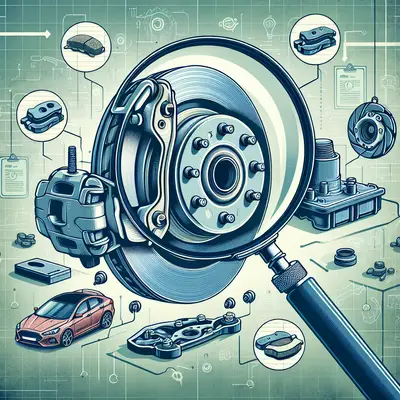
When you or your technician inspect the pads, ask about:
- Symmetry left to right: Pads on one side wearing faster than the other can signal a sticking caliper, seized slide pins, or an imbalance in hydraulic pressure.
- Inner vs. outer pad wear: Excess inner pad wear often points to frozen caliper slides or a caliper piston that is not retracting smoothly.
- Tapered wear (angled pad surface): This suggests caliper misalignment, worn guide hardware, or inconsistent pressure application.
- Glazing and discoloration: A shiny, glass‑like surface or bluish tint on pads or rotors indicates excessive heat—perhaps from aggressive driving, dragging brakes, or a seized component.
Documenting these patterns over time—ideally with photos at each major service—creates a quiet, personal history of your brake system. This history helps you and your service professional anticipate issues instead of chasing them after they appear.
The Hidden Geometry of Safety: Runout, Hub Cleanliness, and Torque
Sophisticated brake maintenance acknowledges that braking is as much about alignment and geometry as it is about friction material. Subtle variations in how components sit together can transform an otherwise premium system into a source of vibration, noise, and premature wear.
Three often‑overlooked details matter profoundly:
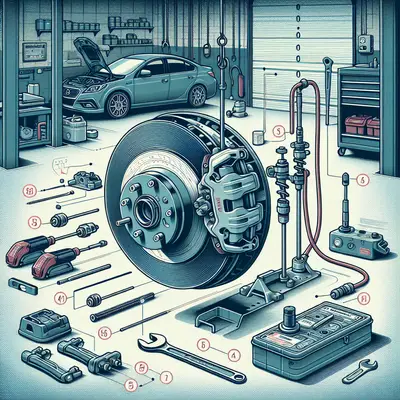
- Rotor runout (microscopic wobble): Even a small deviation can cause pulsation, uneven pad deposits, and long‑term rotor warping. Skilled technicians measure runout with a dial indicator and correct it by cleaning mating surfaces or, if needed, indexing the rotor on the hub.
- Hub surface preparation: When rotors are replaced, any corrosion or debris on the hub face acts like a grain of sand between two glass plates—introducing misalignment. A meticulous cleaning of the hub with appropriate tools (and a light corrosion inhibitor where recommended) is a hallmark of premium work.
- Lug nut torque and tightening pattern: Over‑torqued or unevenly torqued lug nuts can distort the rotor and hub, contributing to vibration and future warpage. Insist that wheels be installed with a calibrated torque wrench in the proper star pattern rather than relying solely on high‑powered impact tools.
These geometric refinements rarely appear in basic how‑to guides, yet they are precisely what separate ordinary brake service from truly elevated, long‑lasting results.
Temperature, Terrain, and Driving Style: Tailoring a Brake Service Interval
Factory maintenance intervals assume an “average” driver on “average” roads—a theoretical person who rarely exists. Discerning owners know their actual environment and habits matter more than generic mile markers.
Consider how each of these factors influences when you should service your brakes:
- Urban stop‑and‑go vs. highway cruising: City driving with frequent stops heats pads and rotors repeatedly, accelerating wear compared with long, steady highway journeys.
- Mountain descents and towing: Extended downhill braking or towing heavy loads can push brakes toward their thermal limits, causing fade, glazing, and fluid degradation faster than gentle, flat commutes.
- Climate and corrosion: Coastal salt air, snowbelt road salt, and high humidity accelerate rust on calipers, backing plates, and lines—even if your mileage is low.
- Driving temperament: Consistent, smooth braking from a distance is far kinder to your braking system than habitual late, abrupt stops.
Instead of relying solely on mileage, combine time (at least an annual brake inspection) with awareness of your environment. A refined approach might schedule inspections before winter in harsh climates or before a season of mountain driving or towing. In this way, your service calendar reflects your actual life, not an abstract average.
Brake Fluid as a Quiet Guardian: Treating It as a Wear Item, Not an Afterthought
Brake fluid is one of the most undervalued components in the entire system. Many owners change pads and rotors on schedule yet drive for years on dark, moisture‑laden fluid that quietly erodes performance and safety margins.
A sophisticated maintenance plan treats brake fluid as a critical wear item:
- Hygroscopic nature: Most brake fluids absorb moisture over time, lowering their boiling point. Under hard or repeated stops, this can lead to vapor bubbles and brake fade when you need firm pedal response most.
- Corrosion control: Moisture‑contaminated fluid encourages internal corrosion in lines, calipers, and ABS components—issues that are costly, subtle, and entirely preventable.
- Pedal feel and precision: Fresh, high‑quality fluid maintains a more consistent, confident pedal feel, especially in modern vehicles with advanced stability and brake control systems.
Rather than waiting for symptoms, follow a time‑based schedule recommended by the vehicle manufacturer or a trusted specialist—often every 2–3 years for many passenger vehicles, shorter in demanding use or humid climates. A complete fluid flush with proper bleeding procedures is a discreet yet powerful upgrade to both safety and driving refinement.
Conclusion
Thoughtful brake maintenance is not about anxiety; it is about quiet mastery. By listening early, reading wear patterns like a specialist, insisting on rigorous geometry, tailoring service to your real‑world driving, and honoring brake fluid as the silent guardian it is, you transform routine upkeep into a sophisticated safety practice.
The reward is subtle but unmistakable: a braking system that feels composed, predictable, and trustworthy—mile after mile, stop after stop. For the discerning driver, that calm, confident deceleration is not just a necessity; it is part of the pleasure of driving well‑maintained machinery.
Sources
- National Highway Traffic Safety Administration (NHTSA) – Brakes and Safety - Federal guidance on brake safety, performance, and defect information
- U.S. Department of Transportation – Brake System Inspection Basics (FMCSA) - Technical details on brake inspections and defect recognition
- AAA – Recognizing the Signs of Brake System Problems - Consumer‑focused overview of brake symptoms and maintenance considerations
- University of Texas at Austin – Automotive Brake Systems Course Material - Educational material explaining brake system behavior, heat, and performance
- Brembo – Technical Insights on Brake Discs and Runout - Manufacturer’s explanation of rotor runout, installation precision, and vibration causes
Key Takeaway
The most important thing to remember from this article is that this information can change how you think about Maintenance.