For the driver who expects more than mere functionality, the brake system is not just a mechanical necessity—it is a quiet guardian of every journey. Beneath the elegance of a composed stop lies an intricate architecture of hydraulics, friction materials, electronics, and thermal management, all working in concert within millisecond timeframes. Understanding this architecture transforms routine maintenance into an informed, intentional discipline. In a world where vehicles accelerate faster and weigh more than ever, refined brake knowledge is no longer optional; it is a discreet form of protection.
The Brake System as an Integrated Safety Network
A modern brake system is best understood as a network rather than a single component. When you press the brake pedal, you are not simply “slowing the car”—you are commanding a chain of events that traverses mechanical linkages, hydraulic pressure, electronic control modules, and friction interfaces at each wheel.
At the core is the master cylinder, which converts pedal force into hydraulic pressure. That pressure is distributed through precisely engineered brake lines to calipers (disc brakes) or wheel cylinders (drum brakes). Anti-lock braking systems (ABS) and electronic stability control (ESC) sit atop this network, constantly evaluating wheel-speed data and vehicle dynamics to modulate brake force at each corner.
This means that a brake issue is rarely isolated. A soft pedal might be related to fluid degradation, line expansion, or internal master cylinder wear; a vibration may originate from rotor runout, hub corrosion, or even uneven torque on wheel fasteners. Treating the brake system as a unified safety ecosystem—rather than a collection of parts—allows owners to insist on diagnosis that respects the complexity of the system.
Materials, Heat, and the Character of a Stop
Every brake application is a thermal event. Kinetic energy is converted into heat through friction, and that heat must be handled with precision. Rotors, pads, calipers, and even wheels are designed with specific thermal behavior in mind. The “character” of your brake feel—linear, firm, progressive, or harsh—is deeply influenced by material choices.
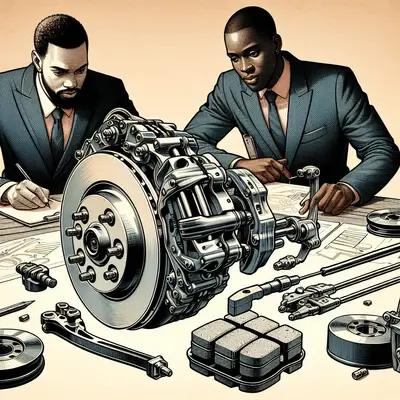
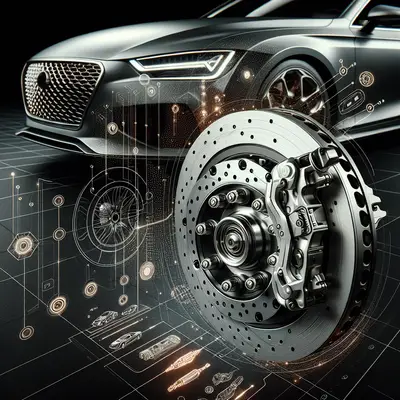
Premium brake pads use advanced friction compounds that balance three competing demands: stopping power, noise control, and rotor friendliness. Rotors may be solid, vented, slotted, or drilled; each choice affects cooling efficiency, pad wear, and noise patterns. Calipers, whether floating or fixed, must clamp consistently under repeated high-heat cycles without distorting or binding.
The refinement of a stop is not an accident—it is the product of detailed engineering intent. When owners accept “good enough” parts, they often surrender the subtlety and predictability that high-quality materials provide. Demanding components that are engineered as a matched system—pads, rotors, hardware, and fluids—preserves both performance and composure at the pedal.
Five Exclusive Insights for Owners Who Refuse to Compromise
Beyond the basics of “replace pads and rotors when worn,” there are quieter truths that discerning owners use to stay ahead of brake trouble. These insights influence not just how brakes are serviced, but how a driver interprets subtle messages from the car.
1. Brake Fluid Is a Precision Component, Not a Consumable Afterthought
Brake fluid is the hidden conduit that carries every command from your foot to the wheels. Over time, this fluid absorbs moisture from the atmosphere—a slow but inevitable process—even in sealed systems. As water content rises, boiling point falls, and under hard or repeated braking, fluid can boil, introducing compressible vapor into the lines and causing a spongy pedal or sudden fade.
For drivers who value consistency, brake fluid is treated like a precision component with a defined service life, not an “only if it looks dark” item. Regular fluid replacement based on time, not just mileage, preserves the sharpness of pedal response and maintains ABS/ESC effectiveness. High-quality fluid, correctly specified by DOT rating and vehicle requirements, is one of the most understated forms of safety.
2. The Pedal’s First Half-Inch Reveals the System’s True Health
Most drivers only notice the brakes when they squeal or vibrate, but a refined driver reads the system through the first half-inch of pedal travel. Any change in initial feel—slight extra softness, delayed bite, or vague engagement—often precedes overt problems by months.
These early changes can signal minor caliper sticking, uneven pad deposition on rotors, slowly degrading hoses, or subtle master cylinder wear. Treating pedal feel as an early warning instrument, rather than merely a comfort metric, allows proactive intervention before issues escalate into emergencies or expensive repairs. A premium inspection should always include a detailed, subjective evaluation of pedal response—not just pad thickness measurements.
3. Hardware and Lubrication Quietly Dictate Brake Refinement
Pads and rotors receive most of the attention, yet the elegance of a stop is often decided by the “minor” hardware: slide pins, abutment clips, anti-rattle springs, shims, and caliper bushings. When these are neglected or reused casually, the result is noise, uneven wear, and inconsistent braking, even with quality pads and rotors.
Professional-grade service replaces or restores these components with the same seriousness applied to the main parts. High-temperature brake lubricants are applied with precision, only where appropriate, and in the correct quantities. This attention to detail reduces sticking, prevents noise, and helps ensure even pad application. In premium brake work, hardware and lubrication are not add-ons; they are integral to the system’s sophistication.
4. Wheel and Tire Choices Quietly Re-Engineer Your Brakes
Larger wheels, heavier rims, and aggressive tire upgrades can transform the way your brake system has to work. Additional unsprung weight and increased rotational mass demand more from the calipers, pads, and rotors. High-grip tires, while excellent for performance, allow higher deceleration forces—forcing brakes to dissipate significantly more heat.
Owners who customize their vehicles thoughtfully consider whether their brake system has been engineered—or upgraded—to handle these changes. This may involve higher-performance pads, larger or more thermally capable rotors, or even upgraded calipers. The truly meticulous driver understands that altering wheels and tires without considering brake capacity is akin to moving the furniture without examining the foundation.
5. Cleanliness and Installation Precision Are as Critical as Part Quality
Even the finest brake components can be compromised by hurried or careless installation. Microscopic rust between the hub face and rotor can introduce runout, leading to pedal pulsation and uneven pad deposits. Misaligned calipers or uneven torque on wheel fasteners can distort rotors and disturb the delicate balance of the system.
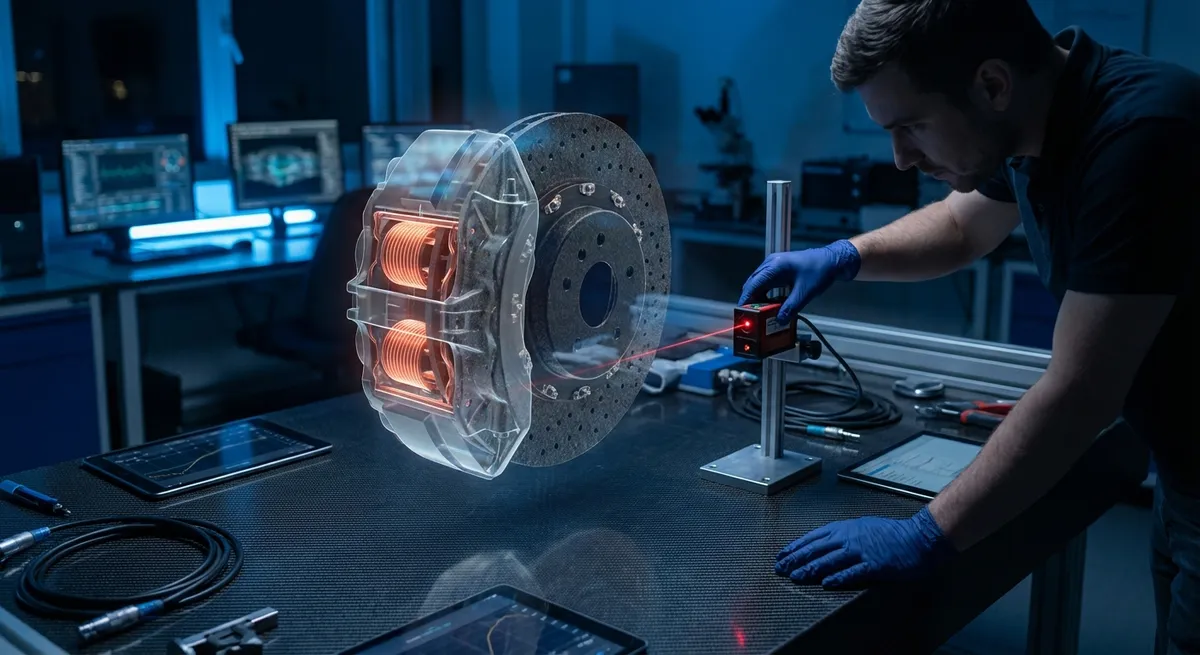
Premium brake service often includes meticulous hub preparation, measured torque application using calibrated tools, and careful verification of rotor runout before the vehicle ever leaves the lift. This disciplined approach transforms brake service from a parts replacement exercise into a precision procedure—and dramatically reduces the likelihood of recurring issues.
Electronic Brake Intelligence: ABS, ESC, and Beyond
Modern brake systems extend far beyond hydraulic circuits. ABS prevents wheel lockup on slippery surfaces, pulsing brake pressure faster than any human could modulate the pedal. Electronic brakeforce distribution (EBD) ensures that each axle receives appropriate pressure based on load and conditions. Stability control applies brake force selectively at individual wheels to correct understeer or oversteer before the driver can fully process the slide.
For the safety-conscious owner, this means that brake health is also electronic health. Fault lights on the dashboard for ABS or stability control are not mere inconveniences; they are indicators that a portion of the protective envelope has been compromised. High-end diagnostics—reading system codes, confirming sensor data, testing valves and pumps—are part of comprehensive brake evaluation, not separate concerns.
Sensor cleanliness, wiring integrity, and proper mounting are as important as pad thickness. A sophisticated approach to brakes acknowledges that friction, hydraulics, and electronics have merged into one cohesive safety platform.
Driving Habits as Invisible Brake Tuning
The way a vehicle is driven quietly tunes the brake system over time. Repeated hard braking from high speeds, frequent mountain descents, or heavy towing place continuous thermal strain on rotors, pads, and fluid. Conversely, mostly urban, low-speed driving wears pads more by frequency than by heat.
Discerning owners align their brake strategy with their driving reality. Those who habitually drive at high speeds or in mountainous regions may choose friction materials designed for higher temperature ranges, more frequent fluid service, and perhaps additional cooling advantages. Urban-focused drivers might prioritize low-noise, low-dust compounds and regular visual checks for uneven wear from stop-and-go traffic.
In both cases, the most refined habit is anticipation—looking far ahead, lifting early, and braking progressively. This smooth, predictive style reduces thermal shock, extends component life, and preserves the vehicle’s poised behavior under emergency conditions.
Conclusion
A brake system, at its most sophisticated, is less a collection of parts and more a composed response to every demand you place on your car. It translates urgency into control, potential chaos into composed deceleration. Owners who understand the architecture—materials, hydraulics, electronics, and installation precision—gain the ability to insist on service that matches their expectations for safety and refinement.
By treating brake fluid as a precision medium, reading subtle shifts in pedal feel, respecting hardware and lubrication, matching wheel and tire choices to brake capacity, and demanding meticulous installation, you position your vehicle’s brakes not just to stop, but to stop with grace, predictability, and authority. In the quiet moment between motion and stillness, that difference matters.
Sources
- National Highway Traffic Safety Administration (NHTSA) – Brakes and Safety Systems - Government overview of brake system safety, including ABS and related technologies
- U.S. Department of Transportation – Brake System Facts and Maintenance - Federal guidance on brake function, maintenance, and safety considerations
- SAE International – Brake System Technology and Research - Technical standards and research materials related to modern brake design and performance
- AAA – Understanding Vehicle Braking Systems - Consumer-focused explanation of brake components, warning signs, and service practices
- University of Michigan – Vehicle Dynamics and Brake Performance - Academic perspective on braking performance, vehicle dynamics, and safety modeling
Key Takeaway
The most important thing to remember from this article is that this information can change how you think about Brake Systems.