Even the most graceful drive is only as composed as its braking system. For discerning owners, brake repair is not a frantic response to a warning light, but a disciplined practice—quiet, methodical, and intentional. This guide is designed for drivers who expect more than the bare minimum: a brake system that feels poised, predictable, and impeccably maintained, with safety as a non‑negotiable standard.
Below, you’ll find a refined, stepwise approach to brake repair, followed by five exclusive insights that elevate your understanding well beyond basic maintenance checklists.
Building a Confident Brake Repair Framework
Before delving into specific techniques, it helps to frame brake repair as a system, not a series of unrelated fixes. A refined approach respects not just the parts, but the relationships among them: friction surfaces, hydraulic pressure, heat management, and driver feel.
Begin with a structured evaluation:
Visual assessment of wear surfaces
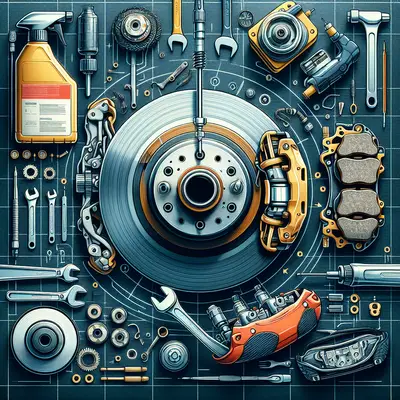
Inspect brake pads, rotors, and calipers with intention. Pad thickness should be checked on both inner and outer surfaces; uneven wear often reveals deeper issues such as sticking caliper slide pins or a partially seized piston. A premium approach means looking for patterns, not just minimum thickness.
Tactile evaluation at the pedal
The pedal is your first diagnostic instrument. Note any sponginess, pulsation, excessive travel, or delayed engagement. These sensations often tell you as much as a visual inspection, indicating potential air in the system, warped rotors, or failing hoses.
Hydraulic system integrity check
The master cylinder, lines, and hoses form the unseen architecture of brake performance. Examine lines for corrosion, hoses for bulges or cracking, and the master cylinder for seepage around fittings and seals. A subtle film of fluid that many overlook can be the first sign of a future failure.
Rotor condition beyond simple thickness
Rotor thickness and minimum specifications are only part of the story. Evaluate for heat spots, glazing, scoring, and lateral runout. A rotor can still be above minimum thickness and yet contribute to judder, noise, and uneven braking if its surface or geometry is compromised.
Environment-specific considerations
City, mountain, and highway-heavy driving each age brakes differently. A refined repair plan accounts for typical driving conditions, cargo loads, and climate—especially road salt exposure, which accelerates corrosion in calipers, backing plates, and lines.
By treating these steps as a ritual rather than a formality, brake repair becomes a repeatable process that preserves both safety and driving pleasure.
Precision in Component Selection and Installation
For the driver who values confidence and quiet control, parts selection and installation quality matter as much as the decision to service brakes in the first place.
Friction material with intent
Not all brake pads are created equal. Ceramic pads often offer quieter operation and less dust, while semi-metallic pads can provide stronger bite and better high‑temperature performance. The refined approach is to choose friction material that suits how you actually drive—daily commuting, spirited backroads, towing, or urban stop‑and‑go—rather than simply opting for the cheapest or the most aggressively marketed option.
Avoid mismatched components
Mixing entry-level pads with high‑performance rotors—or vice versa—can produce uninspiring results. Pads and rotors should be treated as a pair with complementary characteristics. When in doubt, consult manufacturer recommendations or look for brake kits designed as a system rather than assembling random components.
Hardware is not optional
Premium brake performance depends on attention to the “small” pieces: anti‑rattle clips, pad shims, slide pins, and abutment hardware. Reusing heavily corroded hardware or skipping high‑temperature lubricant in the proper locations invites noise, uneven pad wear, and reduced braking refinement. Replacing the full hardware set with each pad change is a subtle but meaningful mark of a higher standard.
Torque with discipline
Improper torque on caliper bracket bolts and wheel lug nuts is one of the most underestimated causes of brake issues. Over‑tightening or uneven torque can distort rotors, introduce vibration, and complicate future service. Use a calibrated torque wrench, follow the vehicle’s torque specifications, and apply a star pattern on lug nuts or bolts to seat wheels evenly.
This level of detail transforms routine brake work into a deliberate practice, where each decision supports the overall harmony of the system.
Five Exclusive Insights for the Safety‑Focused Driver
Beyond conventional advice, these five insights cater to owners who prefer a quietly superior standard of brake safety and feel.
1. The “First Cold Stop” Test Reveals Hidden Issues
The very first braking event after the car has sat overnight is particularly telling. With cold components and settled fluid, this stop exposes subtle weaknesses.
Pay attention to:
- Initial pedal engagement: Any delay or extra travel before braking begins may suggest minor fluid leaks, air entrainment, or a master cylinder beginning to fail.
- Noise on first application: A light grinding or scraping sound that disappears afterward can indicate surface rust on rotors; persistent noise, however, hints at glazing, contamination, or improper pad bedding.
- Steering wheel feedback: Gentle vibration under light braking from a cold start can signal rotor runout, uneven pad deposits, or worn suspension components affecting brake performance.
Making this “first cold stop” test a daily habit allows you to catch problems early, while they are still discreet and manageable.
2. Brake Fluid Condition Is a Silent Reflection of System Health
Many owners consider brake fluid merely a maintenance item; the attentive driver treats it as a diagnostic indicator.
High‑quality brake fluid gradually absorbs moisture over time, reducing boiling point and increasing the risk of vapor formation under repeated hard stops. This can manifest as a softer pedal after prolonged braking—especially on long descents or during heavy traffic.
Refined practices include:
- Regular fluid testing: Instead of guessing, use a brake fluid tester or have a shop measure moisture content and boiling point.
- Proactive replacement intervals: Rather than waiting for a failure, follow a time‑based interval (often around every 2–3 years or as recommended by the manufacturer), particularly for vehicles subjected to substantial heat cycling.
- Visual clarity check: Dark, murky fluid suggests internal corrosion or rubber breakdown in hoses and seals—information that can guide further inspection beyond the reservoir.
Treating fluid as a vital sign, not just a consumable, adds an extra layer of sophistication to your brake care routine.
3. Caliper Behavior Dictates Pad Life More Than Mileage Does
Many owners think in terms of pad life strictly by miles driven, but the real story often lies in caliper behavior.
Subtle caliper issues can dramatically shorten pad life or compromise safety without obvious external clues:
- Dragging pads from sticky slide pins or a partially seized piston generate heat and wear even when you are not braking. This can be felt as slight resistance while coasting, or as wheels that are noticeably hotter than others after a drive.
- Uneven pad wear from side to side indicates that one caliper is doing more work than its counterpart, destabilizing braking balance.
- Delayed release—a fraction of a second of “brake hang” after you release the pedal—often points toward hose degradation or caliper internal friction.
During brake service, a sophisticated inspection doesn’t stop at pad thickness. It includes removing, cleaning, lubricating, and function‑checking calipers and slides, or replacing them if the movement is anything less than smooth and confident.
4. Heat Management Is the Invisible Guardian of Brake Consistency
Most drivers notice brakes when they fade; refined drivers think about heat management before fade ever appears.
Your braking system converts kinetic energy into heat. How kindly you treat that process directly influences safety and longevity:
- Spacing hard stops: Instead of repeated heavy stops back‑to‑back, allow modest intervals between them whenever feasible. This gives rotors and pads time to shed heat and helps maintain consistent friction.
- Downshifting on descents (where appropriate): Using engine braking on long hills reduces continuous brake load, protecting fluid from boiling and rotors from warping.
- Wheel design considerations: Highly closed‑off wheel designs may limit airflow around brakes. For drivers who tow, drive in mountains, or brake heavily, more ventilated wheel designs can assist in temperature control without any changes to the brake system itself.
Understanding that heat is the primary adversary of braking consistency encourages subtle driving adjustments that pay dividends in both feel and endurance.
5. Test Drives Should Be Structured, Not Casual
Many brake evaluations end with a quick spin around the block. A more cultivated standard uses a structured test routine to assess performance thoroughly yet calmly.
An elevated test drive might include:
- Low‑speed smoothness check: Gentle stops from 10–20 mph with very light pedal pressure reveal noise, low‑speed judder, or initial bite issues.
- Progressive braking sequence: A series of gradually stronger stops from 30–45 mph confirms linear pedal feel, strong engagement, and the absence of pulling or pulsation.
- Emergency‑style stop (in a safe, controlled environment): One firm, controlled stop from a safe speed verifies maximum braking response and ABS operation, allowing you to understand how the car behaves in a real emergency before one occurs.
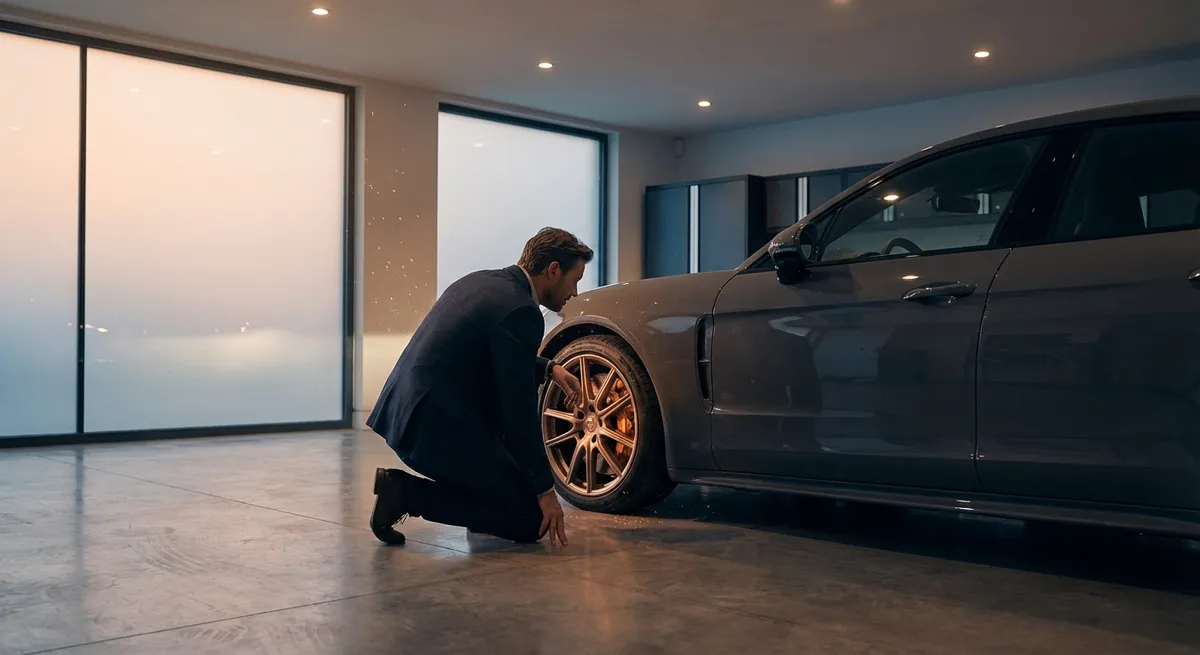
- Post‑drive re‑inspection: After the test, a quick touch‑check near the wheel (without contacting hot components) can reveal unusually high heat at a single corner, suggesting dragging brakes or imbalance.
This deliberate approach transforms the test drive from a routine errand into a final quality assurance step for your own peace of mind.
Conclusion
Refined brake repair is not about obsession—it is about quiet confidence. By approaching your braking system as an integrated whole, selecting components with intention, and embracing disciplined evaluation habits, you transform a routine maintenance task into a reassuring ritual.
The five insights above—cold‑stop testing, fluid as a diagnostic tool, caliper behavior analysis, thoughtful heat management, and structured test drives—offer a level of attentiveness that distinguishes merely roadworthy brakes from truly trustworthy ones. For the safety‑focused driver, this difference is not just technical; it is experiential. Every composed stop becomes a subtle confirmation that your standards, and your attention to detail, are firmly in control.
Sources
- National Highway Traffic Safety Administration (NHTSA) – Brakes and Brake Systems - Federal guidance and safety information on vehicle brake systems and performance
- U.S. Department of Transportation – Brake System Inspection Basics (FMCSA) - Professional-level brake inspection considerations applicable to understanding brake integrity
- University of California, Berkeley – Vehicle Braking and Tire Forces Lecture Notes (navigate via Mechanical Engineering > Courses > Vehicle Dynamics resources) - Academic perspective on braking forces, heat, and system behavior
- Brembo – Technical Insights on Brake Components and Heat Management - Manufacturer explanations of rotor, pad, and caliper function, including heat-related performance
- AAA – Brake System Maintenance Guidance - Consumer-focused overview of brake inspection, fluid, and maintenance intervals
Key Takeaway
The most important thing to remember from this article is that this information can change how you think about Repair Guides.