There is a particular calm that comes from knowing your vehicle will stop exactly when—and how—you expect it to. For discerning drivers, that confidence is never left to chance; it is cultivated through meticulous, repeatable maintenance habits that protect the integrity of the entire brake system, not just the friction surfaces.
Rather than waiting for squeals, shudders, or warning lights, sophisticated brake care begins with understanding how subtle changes in feel, sound, and response can signal the earliest stages of wear or imbalance. The goal is simple: preserve a braking experience that feels composed, linear, and dependable in every season and at every speed.
1. Treat Brake Fluid Like a Precision Component, Not a Footnote
Brake fluid is often treated as an afterthought, yet it is the medium that translates your pedal pressure into clamping force at the wheels. Over time, it absorbs moisture from the air, lowering its boiling point and inviting internal corrosion. For a driver focused on consistent brake feel, allowing the fluid to age indefinitely is a quiet way to degrade performance long before anything appears “wrong.”
A refined maintenance approach includes periodic brake fluid testing with a moisture or boiling-point tester, rather than guessing by age alone. Clear, light-colored fluid is a good sign, but not a guarantee; invisible moisture can still be at work. Flushing the system with a high-quality, manufacturer‑approved fluid restores confidence in emergency stops, repeated downhill braking, and spirited driving. When performed correctly—no shortcuts, no rushed bleeding—this simple service can dramatically improve pedal firmness and long-term component health.
2. Inspect Brake Hardware, Not Just Pads and Rotors
Most quick inspections focus almost exclusively on pad thickness and rotor condition, yet the “supporting cast”—slides, pins, clips, bushings, and anti-rattle hardware—quietly dictates how smoothly and evenly your brakes operate. When these components corrode, bind, or lose their tension, you can experience uneven pad wear, pulses, noises, or a vague pedal long before the pads are technically worn out.
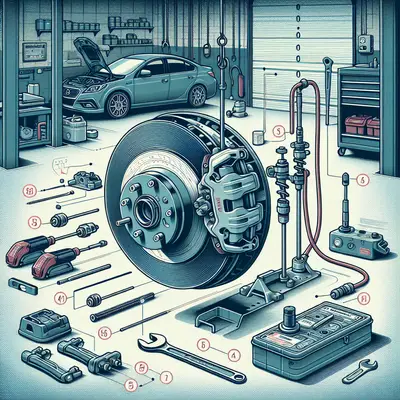
A premium maintenance mindset includes a detailed hardware inspection at every brake service. Guide pins should be removed, cleaned, and lubricated with the correct high‑temperature, brake‑rated grease—never generic lubricants that can swell rubber or break down under heat. Stainless hardware should be free of rust and properly seated, and any fatigued clips or boots should be replaced, not reused out of convenience. This level of attention transforms a basic “pad and rotor job” into a comprehensive system refresh that maintains factory-level refinement at every stop.
3. Use Tire and Suspension Clues to Anticipate Brake Issues
Tires and suspension may seem separate from your brake system, but they constantly reveal how effectively your brakes are doing their work. Uneven tire wear, a steering wheel that drifts, or a subtle pull under braking are not just alignment concerns; they may be early signs that one wheel is braking more aggressively—or more reluctantly—than the others.
Sophisticated owners treat these clues holistically. When the vehicle is in for rotation or alignment, it is the perfect moment to request a complementary brake observation: Are the pads wearing evenly across all four corners? Do the rotors show consistent patterns, or are there hot spots suggesting a sticking caliper? Does the car remain stable during a controlled, moderate stop? Integrating brake evaluation into tire and suspension service catches developing issues—like a dragging caliper or contaminated pad—before they become expensive, noisy, or unsafe.
4. Respect the Break‑In: Bedding New Brakes With Intention
New pads and rotors are only as good as their first few miles of service. Bedding-in, or the controlled process of mating pad material to the rotor surface, is critical for achieving quiet operation, strong bite, and consistent response. When this step is rushed or ignored, even premium components can feel grabby, noisy, or “mushy,” leading owners to question the quality of the parts rather than the process.
An intentional bedding routine involves a series of progressively firm stops from moderate speeds, allowing the brakes to warm evenly without coming to a full, prolonged stop that could imprint pad material on the rotors. After each set of stops, the brakes should be allowed to cool with gentle driving, preventing overheating or glazing. The result is a smooth, uniform transfer layer on the rotors that enhances performance and minimizes vibrations. By insisting that your technician follows a proper bedding procedure—or by doing it yourself after a professional installation—you protect your investment and ensure your brakes feel composed from the very first drive.
5. Build a Seasonal Brake Ritual Around Your Driving Environment
Brake maintenance should not be generic; it should reflect where and how you drive. Urban stop‑and‑go commuting, mountain descents, coastal humidity, and winter road salts each impose distinct stresses on your braking system. A thoughtful owner tailors a maintenance calendar to these realities, rather than relying solely on mileage or generic intervals.
For example, drivers in cold climates benefit from post‑winter inspections to check for salt‑induced corrosion on calipers, lines, and backing plates, along with ensuring slide pins still move freely. Those who regularly descend long grades should pay closer attention to rotor condition and fluid quality, as repeated high‑heat events accelerate wear and fluid breakdown. Coastal or humid regions may call for more frequent hardware inspections to combat rust. By aligning your brake checks with seasonal changes and local conditions, you move from reactive repairs to anticipatory care, preserving smooth, silent stopping power all year.
Conclusion
Exceptional brake performance is rarely the result of a single service; it is the product of thoughtful, consistent maintenance decisions over time. When you treat brake fluid, hardware, tires, and even seasonal conditions as interconnected elements of one safety system, your vehicle rewards you with a braking experience that feels composed, predictable, and reassuring in every situation.
For car owners who demand more than “good enough,” this level of attention is not indulgent—it is the foundation of quiet confidence behind the wheel.
Key Takeaway
The most important thing to remember from this article is that this information can change how you think about Maintenance.