There is a certain quiet confidence that comes from knowing your vehicle’s brakes are not merely adequate, but exquisitely maintained. For the driver who values composure over drama and prevention over reaction, brake maintenance is less a chore and more a finely tuned safety ritual. This is where subtle observation, disciplined scheduling, and a few elevated habits converge to keep every stop precise, predictable, and reassuring.
Brake Maintenance as a Predictive Practice, Not a Rescue Mission
Most drivers only think about brakes when something feels “wrong” — a squeal, a vibration, or an anxious moment in traffic. A refined approach turns that mindset on its head: maintenance becomes predictive, not reactive. Rather than waiting for parts to fail, you work with known service intervals, driving habits, and environmental conditions to anticipate when attention is due.
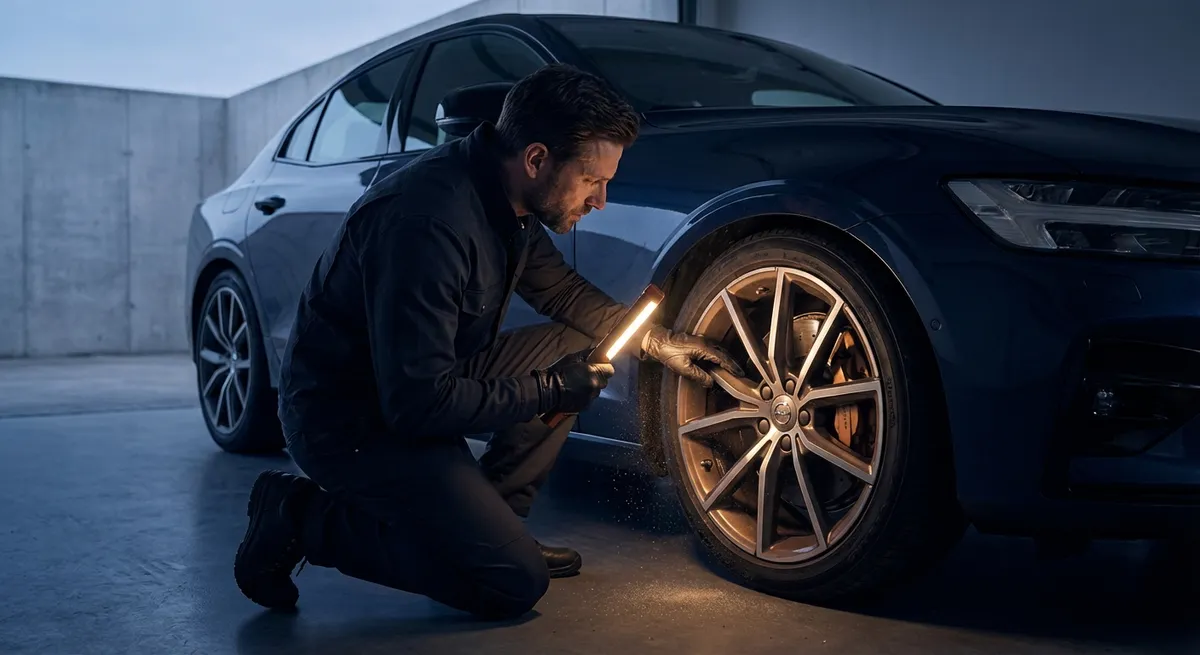
Leaving a margin of safety in your maintenance timeline is key. If a manufacturer suggests an inspection every 12,000 miles, a safety‑first owner might choose 8,000–10,000 miles, particularly if the vehicle frequently encounters city traffic, steep hills, or heavy loads. The goal is to reach service bays while components are still healthy enough to be inspected, measured, and replaced calmly — not under the stress of a near‑miss or a roadside breakdown.
This predictive stance also sharpens communication with your service professional. Instead of asking, “Is anything wrong?” you can ask, “What does my braking system need to remain optimal over the next year?” That subtle shift encourages longer‑term thinking, documentation, and proactive planning, which are the hallmarks of mature, safety‑focused ownership.
The Brake System as a Whole: Seeing Beyond Pads and Rotors
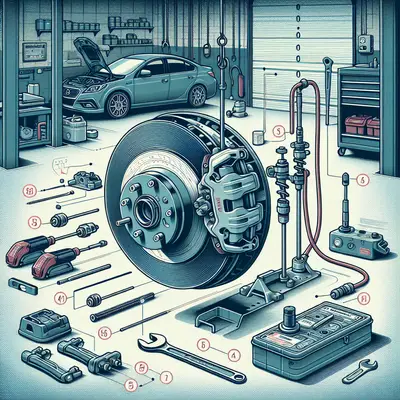
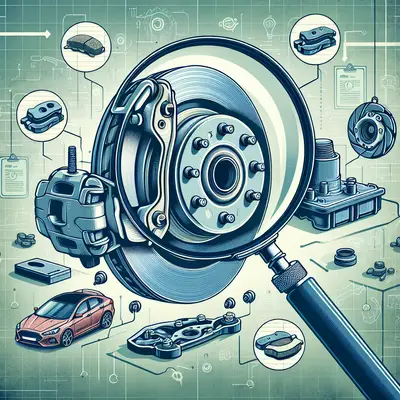
Brake pads and rotors may receive the spotlight, but any driver seeking superior safety must view the system as a cohesive architecture, not a pair of wear items. Hydraulic fluid, calipers, hoses, master cylinder, ABS modules, and even tires together determine how confidently the car stops.
Sophisticated maintenance means understanding that even a small weak link can compromise the entire chain. A slightly sticky caliper, for example, can cause uneven pad wear and excessive heat in one wheel, altering stopping distances and stability. Old brake fluid with absorbed moisture can reduce boiling point, especially during hard or repeated stops, leading to a soft pedal and longer braking distances. Tires with mismatched grip can cause the ABS to work harder, subtly shifting the way your vehicle reacts during emergency maneuvers.
Thinking holistically also shapes how you budget for service. Rather than piecemeal attention only when something is noisy, you might schedule periodic “complete brake evaluations” where fluid condition, hardware integrity, hose flexibility, pad life, rotor thickness, and tire health are all assessed in one session. The result is a system that behaves with composure under pressure, not a set of parts that merely meet minimum standards.
Five Exclusive Insights for the Safety‑Focused Brake Owner
Sophisticated brake care lives in the details. These five insights appeal to drivers who value nuance, consistency, and the quiet assurance that their vehicle is ready for the unexpected.
1. Treat Brake Fluid Like a Critical Safety Component, Not a Footnote
Brake fluid is often neglected, yet it is the invisible backbone of the system. Most modern vehicles use hygroscopic DOT 3, 4, or 5.1 fluid, meaning it naturally absorbs moisture over time. That absorbed water lowers the fluid’s boiling point, and in demanding situations — mountain descents, spirited driving, towing, or repeated hard stops — it can vaporize, causing a spongy pedal or even temporary loss of braking power.
Instead of waiting for visible discoloration alone, align fluid replacement with time and driving profile. Many safety‑conscious owners choose a 2–3 year interval regardless of mileage, or sooner if the vehicle is regularly exposed to humidity, rain, or road salt. Request a documented brake fluid test when possible; some shops can measure boiling point or moisture content, turning a vague “it looks dark” into precise data. This transforms brake fluid service into a deliberate, evidence‑based decision rather than guesswork.
2. Listen for Changes in Timbre, Not Just Volume
Most advice focuses on “loud” symptoms — screeching, grinding, or dramatic pulsation. Attentive drivers, however, notice subtle shifts in sound quality and character long before the crisis phase. The tone, duration, and position of a noise can hint at underlying issues.
A faint, rhythmic “shh‑shh” that appears only at low speeds might suggest light rotor surface irregularities or early pad glazing. A short, metallic chirp at the end of a stop can indicate a wear indicator barely contacting the rotor. A consistent click in reverse might relate to hardware or pad movement. Learning your car’s baseline soundtrack when brakes are in excellent condition is essential; any new sound — even if soft — becomes a prompt for inspection rather than something to “monitor indefinitely.” This cultivated listening habit separates the merely attentive from the truly vigilant.
3. Use Pedal Feel as a Precision Instrument
Your brake pedal can be treated like a finely calibrated gauge, not just a lever. Over time, you can develop a memory for how far the pedal travels under normal stops, how firm it feels during rapid braking, and how quickly pressure builds. Slight changes often appear before obvious performance issues.
A slowly “softening” pedal over weeks might suggest fluid degradation, tiny leaks, or air in the lines. An increasingly high and overly sensitive pedal could indicate pad glazing or uneven friction. A pedal that becomes hard with less travel after new pads and rotors may be normal, but a dramatic change without recent service warrants attention. Make a habit of occasionally performing a firm, controlled stop in a safe, straight-line environment (clear road, no one behind you) to assess consistency. Recording your impressions in a maintenance log may feel meticulous, but it helps you detect trends rather than isolated moments.
4. Respect the First 300–500 Miles After Any Major Brake Service
The period after new pads and rotors are installed is not merely “break‑in”; it is a critical phase where friction surfaces are establishing their working relationship. Rushing through this bedding process with harsh braking or aggressive driving can create uneven pad deposits on the rotors, leading to vibration, noise, and compromised braking precision.
A refined approach involves a series of moderate, spaced‑out stops from varying speeds, allowing components to heat gradually and then cool without coming to a full stop with the brakes clamped tightly for long periods. For city drivers, that means intentionally avoiding tailgating and sudden stops during the first few days. The reward is a braking system that operates smoothly and quietly, with rotors that wear evenly and pads that deliver consistent friction instead of sporadic grab. This patience is a small investment with a large payoff in feel and longevity.
5. Match Brake Maintenance to Driving Environment, Not Just Manufacturer Intervals
Factory service intervals assume an “average” driver and environment — something many refined owners simply don’t represent. Dense urban traffic with frequent stops, coastal salt air, steep mountain roads, and extreme temperatures all accelerate wear and corrosion in different ways.
If your commute involves heavy congestion and frequent start‑stop driving, treat pad and rotor inspections as more urgent than someone who mostly cruises open highways. If you live in a region with winter road salt, rust on backing plates, calipers, and brake lines becomes a critical concern; in such climates, underbody inspections and careful cleaning of brake components can prevent seized hardware and sudden failures. For those who tow or carry heavy loads, consider brake upgrades — higher‑quality pads or rotors designed for elevated temperatures — paired with more frequent checks. The sophisticated mindset: adjust the maintenance plan to your actual life, not an abstract baseline.
Turning Maintenance Into a Documented Safety Standard
Exceptional brake maintenance gains power when it becomes documented and repeatable. Treat your brake history as part of the vehicle’s provenance — a record that demonstrates your commitment to safety and performance. Maintaining detailed notes on pad brand, rotor type, service dates, fluid change intervals, and observations about pedal feel or noise allows you to evaluate how each decision affects real‑world behavior.
This kind of record not only guides future service, it adds quiet value when it comes time to sell or trade the vehicle. A prospective buyer who sees proven, consistent brake care will instinctively feel more confident in the vehicle’s history. For you, the benefit is immediate: instead of wondering, “When did I last service the brakes?” you’ll know exactly how long each component has been in use, under what conditions, and how it has performed. Ultimately, that is the essence of premium brake maintenance — not excess, but intention.
When every stop feels measured, stable, and predictable, driving becomes less about bracing for surprises and more about enjoying the composed precision that only a well‑maintained braking system can deliver.
Sources
- [National Highway Traffic Safety Administration (NHTSA) – Vehicle Maintenance & Safety](https://www.nhtsa.gov/road-safety/vehicle-maintenance) - Federal guidance on vehicle maintenance practices and their impact on safety
- [U.S. Department of Transportation – Brake System Fundamentals](https://www.transportation.gov/mission/safety) - Technical and safety information related to braking systems and performance
- [AAA – Brake System Service and Maintenance](https://exchange.aaa.com/automotive/maintenance/brake-system/) - Consumer‑focused explanations of brake components, service intervals, and warning signs
- [Advance Auto Parts – Understanding Brake Fluid](https://shop.advanceautoparts.com/r/advice/car-maintenance/understanding-brake-fluid) - Overview of brake fluid types, moisture absorption, and replacement recommendations
- [Pennsylvania Department of Transportation – Vehicle Equipment and Inspection (Brakes)](https://www.dot.state.pa.us/public/dvspubsforms/BMV/BMV%20Fact%20Sheets/fs-inspect.pdf) - State inspection standards for braking systems, including rotor, pad, and hydraulic requirements
Key Takeaway
The most important thing to remember from this article is that this information can change how you think about Maintenance.