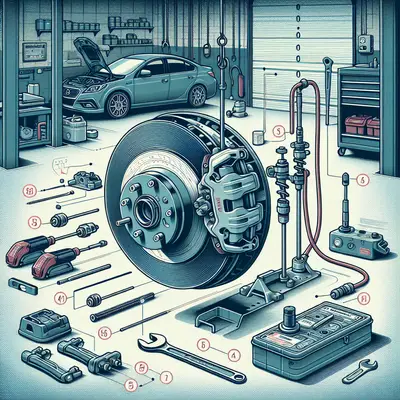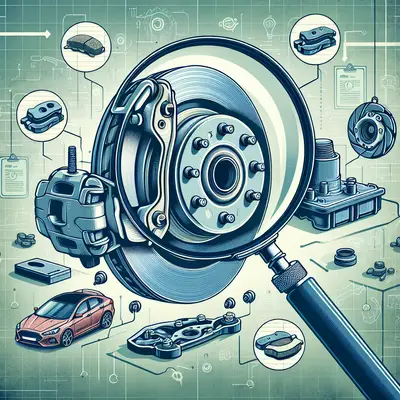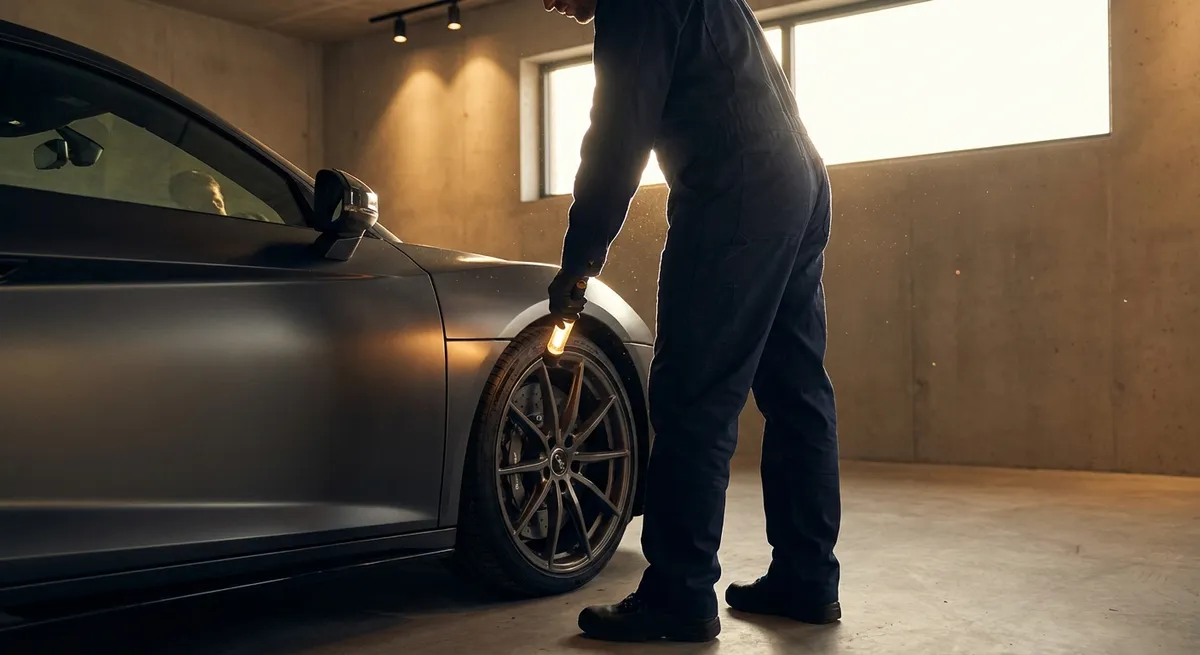
For the driver who values composure over chaos, true peace of mind is not found in horsepower or paint depth—it lives in the unspoken reliability of the brakes. Maintenance is no longer a chore when it is reframed as a quiet standard you hold for yourself and your vehicle. In this world, every stop sign, every descending ramp, and every wet intersection becomes a discreet affirmation that you prepared well in advance.
This article explores brake maintenance as a refined discipline rather than a reactive expense, with five exclusive insights designed for drivers who refuse to compromise on safety, consistency, or control.
Elevating Maintenance Beyond the “Fix-It-When-It-Fails” Mindset
The typical approach to brake care is transactional: wait until something feels wrong, then schedule a repair. A more elevated standard treats brake maintenance as curating reliability—anticipating needs rather than chasing symptoms.
Begin by anchoring your expectations in time, not in problems. For many vehicles, having a professional inspect the brakes at least once a year—or every 10,000–12,000 miles—is a refined baseline, not a luxury. This includes more than a glance at pad thickness; it should also cover caliper operation, rotor condition, hardware wear, hoses, and fluid integrity.
In practice, this means you don’t wait for grinding, pulsation, or an illuminated warning light to prompt action. Instead, you plan your brake inspection as you would a medical check-up or a watch service—something you do to keep performance steady, not to resuscitate it. Over time, this mindset yields fewer surprises, more predictable stopping behavior, and a quieter, more composed driving experience.
This is the difference between merely having brakes and truly managing your braking system.
Insight 1: Treat Brake Fluid as a Critical, Aging Safety Component
Brake fluid is often neglected because it is largely invisible; it doesn’t squeal, smoke, or rattle. Yet it is one of the most critical safety components in your vehicle. Most modern systems use glycol-based hydraulic fluid that slowly absorbs moisture from the air. Over time, this reduces its boiling point and promotes corrosion inside delicate components like calipers, ABS modulators, and master cylinders.
A sophisticated approach is to regard brake fluid as an aging safety material, not a static one. Rather than waiting for a severe symptom—such as a soft pedal after heavy braking—consider setting a proactive interval: many manufacturers recommend replacing brake fluid every 2–3 years, even if the vehicle feels fine.
Ask your shop whether they can provide a boiling-point or moisture-content test on the fluid. This moves the decision away from guesswork and into measurable data. If the fluid is dark or cloudy, or testing shows elevated moisture content, a flush isn’t “nice to have”—it is a direct investment in maintaining firm pedal feel and reliable brake performance under emergency or repeated hard stops.
You are not merely preserving the brakes you feel today; you are preventing the subtle, internal deterioration you can’t see until it is too late.
Insight 2: Listen for Micro-Changes, Not Just Obvious Noises
Most drivers wait for unmistakable sounds—grinding, screeching, or clunking—before they suspect a brake issue. A more discerning driver pays attention to subtler cues long before the problem becomes dramatic.
Micro-changes often reveal themselves as:
- A slightly longer pedal travel before the brakes “bite”
- A faint chirp or rhythmic tick at low speeds with the windows down
- A barely noticeable vibration during light stops, especially from higher speeds
- A change in how the vehicle settles during braking—more nose dive, or a slight pull to one side
These small shifts are not noise; they are early data. Rather than dismissing them as “probably nothing,” capture details: when they occur, at what speeds, under what conditions, and whether they are increasing. Providing this precise feedback to a trusted technician can dramatically improve the quality and speed of diagnosis.
This attention to nuance often means your pads are replaced before they damage the rotors, your calipers are serviced before they seize, and your rotors are corrected before a mild vibration becomes a disruptive pulsation through the steering wheel. In effect, you are lowering the volume on your brake issues—addressing them while they whisper instead of waiting for them to shout.
Insight 3: Control Your Brakes by Controlling Your Heat
Braking is, fundamentally, the controlled conversion of kinetic energy into heat. The more aggressively you drive—or the more heavily you load the vehicle—the more thermal stress you impose on your brake system. Precision maintenance therefore includes not only what you do at the shop but how you drive between visits.
On long descents, for example, a refined driver avoids “riding” the brakes. Instead, they use engine braking by selecting a lower gear or manual mode, allowing the drivetrain to share the workload. This keeps rotor and pad temperatures lower, reducing the risk of brake fade and premature wear.
Repeated high-speed stops are similarly taxing. Even if your brakes feel strong, excessive heat can glaze pads, distort rotors, and accelerate fluid degradation. If your driving routine includes spirited driving or frequent mountain travel, discuss higher-heat-tolerant pad compounds or performance-oriented rotors with your technician. The aim is not to race—but to ensure your brakes are comfortably within their ideal operating range during the most demanding parts of your routine.
Ultimately, you are not simply maintaining parts; you are managing temperature. The more thoughtfully you manage heat, the more consistently your brakes will respond when you need them at their best.
Insight 4: Insist on System-Level Inspections, Not Just “Pads and Rotors”
Many brake services are reduced to a quick pad replacement and rotor resurfacing or replacement. While this solves immediate wear issues, it can overlook underlying mechanical or hydraulic problems. A more elevated standard insists that brakes be evaluated as a complete system.
A true system-level inspection includes:
- Pad wear patterns: Uneven wear can indicate sticking calipers, seized slide pins, or hardware issues.
- Rotor condition: Blueing, scoring, or cracking are signs of past overheating or poor contact.
- Caliper function: Pistons should move smoothly; boots should be intact, with no fluid leaks.
- Hardware and guides: Clips, shims, and slides should be cleaned or replaced, not ignored.
- Hoses and lines: Look for bulges, cracks, rust, or dampness that signal pending failure.
- Parking brake components: Particularly on vehicles with rear drum-in-hat designs or electronic parking brakes.
When you authorize brake work, ask directly: “Will you be inspecting calipers, hardware, and hoses, not just the friction parts?” This prompt signals that you value thoroughness over speed. Over time, this insistence on system-level care typically results in fewer repeat visits, cleaner pedal feel, and a braking response that remains consistent—not just immediately after service, but thousands of miles later.
You are shaping a relationship with your technician that revolves around depth, not minimal compliance.
Insight 5: Align Your Tires, Suspension, and Brakes into One Safety Strategy
Brakes do not work in isolation; they share responsibility with your tires, suspension, and alignment. No matter how premium your pads or rotors may be, if your tires are worn or your suspension is unsettled, your stopping performance will never feel as composed or predictable as it should.
Tire condition and pressure determine how efficiently your brake force is translated into grip. Underinflated or unevenly worn tires compromise stopping distance and stability under hard braking, particularly in wet conditions. Meanwhile, tired shocks and struts allow the vehicle to pitch and dive excessively, unsettling weight distribution and reducing traction at key wheels.
A sophisticated maintenance approach treats brake work as an opportunity to validate the rest of the system. When scheduling a brake inspection or service, ask your shop to:
- Check tire tread depth and wear pattern
- Confirm tire pressures are correctly set (including the spare, if applicable)
- Inspect suspension components and bushings for wear or play
- Verify alignment if there is any pulling, off-center steering, or uneven wear
This integrated perspective transforms brake maintenance from a single-point repair into a harmonized safety strategy. The result is a vehicle that not only stops in a shorter distance, but does so with a calm, balanced, and predictable posture—exactly what you want in an emergency.
Conclusion
Truly refined brake maintenance is less about reacting to obvious failures and more about nurturing predictability, quiet competence, and control. By treating brake fluid as a critical aging component, listening for micro-changes, managing heat with intent, demanding system-level inspections, and aligning your brakes with the rest of your chassis, you elevate each stop from a routine event into a quiet validation that you prepared well.
This is how confident drivers operate: not in the hope that the brakes will work when it matters, but in the calm assurance that every detail has already been considered.
Sources
- [National Highway Traffic Safety Administration (NHTSA) – Vehicle Maintenance](https://www.nhtsa.gov/road-safety/vehicle-maintenance) - Federal safety guidance emphasizing the importance of proper brake care within overall vehicle safety.
- [Car Care Council – Brake System Overview](https://www.carcare.org/car-care-resource/car-care-guide/brake-system/) - Explains components of modern brake systems and recommended maintenance practices.
- [Federal Trade Commission – Getting Your Car Repaired](https://consumer.ftc.gov/articles/getting-your-car-repaired) - Offers advice on working with repair shops and ensuring thorough, high-quality service.
- [Bridgestone – How Brake Systems Work](https://www.bridgestonetire.com/learn/maintenance/what-you-should-know-about-car-brakes/) - Provides an accessible but technical explanation of brake components, wear, and performance.
- [University of Nebraska–Lincoln – Automotive Brake Systems Training Material (PDF)](https://digitalcommons.unl.edu/cgi/viewcontent.cgi?article=1067&context=tractormuseumlit) - Educational resource detailing brake system operation, hydraulics, and maintenance fundamentals.
Key Takeaway
The most important thing to remember from this article is that this information can change how you think about Maintenance.