For the driver who notices the subtle shift in pedal feel before the warning light appears, brake repair isn’t a chore—it’s an expression of standards. This guide is crafted for owners who want more than “it stops fine.” It is for those who value quiet precision, consistent feedback, and the assurance that every component in the system is working in elegant harmony.
Below, you’ll find a refined, step‑by‑step perspective on brake repair and five exclusive insights that discerning drivers use to elevate their sense of control and safety.
Understanding the System: Seeing Brakes as a Single, Cohesive Instrument
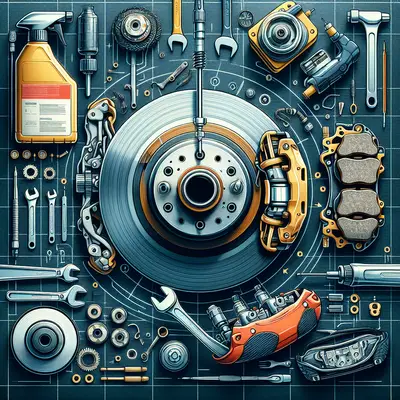
An effective brake repair guide begins with a change in mindset: your brakes are not a collection of parts, but a single instrument with interdependent elements. Pads, rotors, calipers, hydraulic lines, fluid, master cylinder, ABS module, wheel bearings, and even tires cooperate to translate your intent—your right foot—into smooth deceleration.
When one element is neglected, the rest must work harder, often in ways that remain invisible until there is a problem. Inferior pads can glaze and transfer uneven material to a rotor that was perfectly machined. Aging fluid can compromise the responsiveness of an otherwise immaculate caliper. Even a slightly worn suspension bushing can alter how brake force is distributed across the tire contact patch. The refined owner doesn’t just “fix what’s broken”; they evaluate how every action in a repair affects feel, balance, and long‑term safety.
This systems-first view is the foundation of all sophisticated brake work—performed either by yourself or in collaboration with a trusted professional.
The Repair Sequence: From Complaint to Confident Pedal
Every brake repair should follow a deliberate sequence, turning vague symptoms into precise interventions. Start with the “complaint”: a soft pedal, a steering wheel vibration, a metallic squeal, or perhaps simply an increased stopping distance. Translate that complaint into a plan: front versus rear, hydraulic versus mechanical, wear versus contamination, friction versus hardware.
Begin with a visual inspection through the wheel spokes and, when appropriate, with the wheel removed: pad thickness, rotor condition, caliper boots and slide pins, flexible brake hoses, and any signs of fluid leakage. Note uneven pad wear, discoloration of the rotor, or minor rust ridges at the rotor’s outer edge—each is a clue. Confirm your findings with a careful test drive: light, moderate, and firm brake applications at varying speeds, with hands lightly resting on the wheel to sense vibration and ears tuned for tone changes.
Only then should you commit to a repair strategy: pad and rotor replacement, caliper service, hardware refresh, fluid exchange, or a more advanced task like caliper or hose replacement. A refined repair is not a random replacement of parts; it is a measured response to clearly interpreted evidence, with each step documented and justified.
Five Exclusive Insights for the Safety‑Obsessed Brake Owner
1. Treat Pad Bedding as a Precision Procedure, Not a Formality
Most drivers barely think about pad “break‑in.” Yet bedding—properly transferring a thin, even layer of pad material to the rotor surface—is one of the most powerful ways to improve braking consistency and reduce noise. Follow the manufacturer’s recommended procedure, typically a series of moderate stops from progressively higher speeds, allowing the brakes to cool slightly between applications.
The refined twist: perform bedding on a clean, low‑traffic stretch of road, with enough distance to coast and cool between stops. Avoid coming to a complete stop with hot brakes for several minutes after bedding, as this can imprint uneven pad deposits and create the very pulsation and noise issues careful owners seek to avoid. A well‑bedded system feels glassy-smooth and predictable, with minimal noise even during high‑demand stops.
2. Elevate Brake Fluid from Afterthought to Foundational Safety
Brake fluid is one of the least glamorous components of the system, yet it is fundamental to your safety. As hygroscopic fluid absorbs moisture over time, its boiling point drops, and internal corrosion risk rises—especially in climates with wide temperature swings or high humidity. Many owners treat fluid as a “when it looks dark” service. Discerning owners adopt an interval, often in the 2–3 year range (or as specified in the owner’s manual), and treat it as non‑negotiable.
During any significant brake repair—especially caliper or hose work—commit to a full fluid exchange rather than a partial top‑off. Ask for (or perform) a proper bleed sequence in line with your vehicle’s service information, particularly on vehicles with ABS and stability control systems that may require specific procedures. This discipline preserves pedal firmness, protects internal components, and provides a satisfying consistency of response that casual owners rarely experience.
3. Demand Pad–Rotor Compatibility, Not Just “Quality Parts”
“Ceramic,” “semi‑metallic,” and “low‑metallic” are often thrown around as generic labels, but the sophisticated approach is to think in terms of compatibility and intent. Rotors and pads should be matched not only to the vehicle’s design, but also to the way you drive: urban stop‑and‑go, sustained highway cruising, or performance‑oriented mountain routes.
Premium pads on a budget rotor—or vice versa—may compromise noise levels, dust generation, or wear patterns. A refined owner reviews the friction material’s characteristics (initial bite, fade resistance, temperature range, dust and noise profile) and selects a set that harmonizes with the rotor’s metallurgy and surface finish. This often means choosing a “quiet and consistent” OE‑style pad and rotor pairing over more aggressive performance parts, unless your driving genuinely demands that added capability.
4. Insist on Hardware and Surface Preparation as Non‑Optional
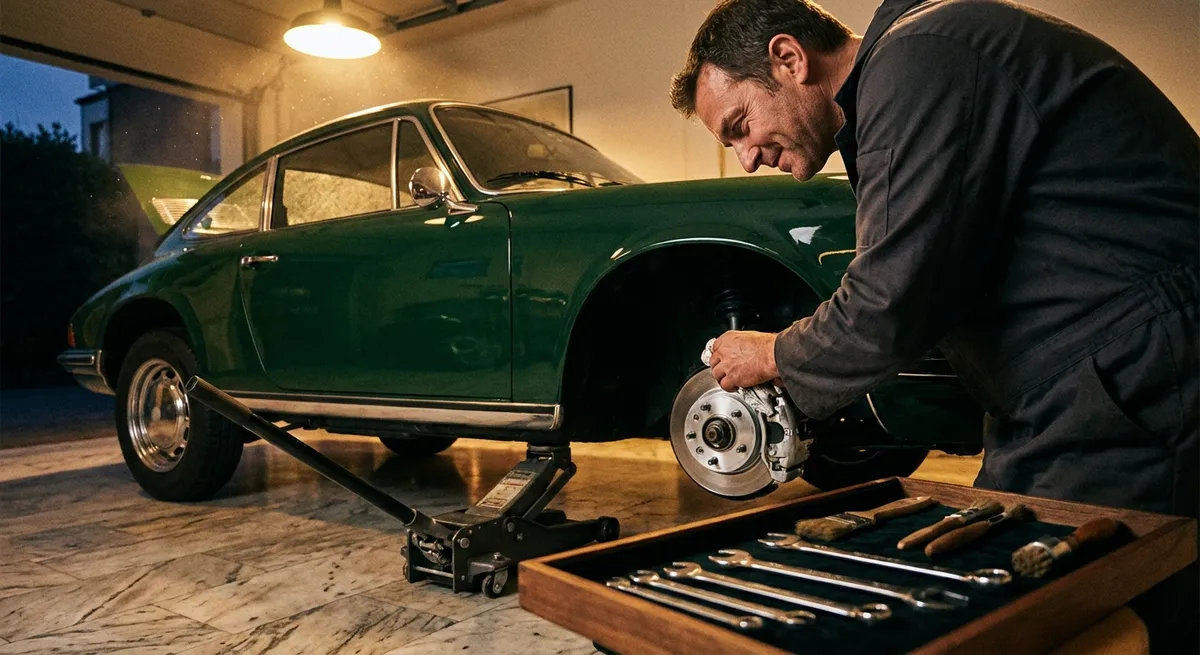
Many brake jobs fail prematurely not because of the pads or rotors, but because of overlooked hardware and lazy surface prep. The sophisticated standard is simple: treat hardware as critical, not decorative. That means replacing pad abutment clips, anti‑rattle shims, and spring clips with quality components; cleaning and properly lubricating caliper slide pins with the correct high‑temperature, brake‑specific grease; and removing corrosion from pad mounting surfaces so pads can move freely.
Equally important is rotor mounting: hub surfaces should be cleaned until bare metal is visible, then checked for runout before rotor installation when the vehicle design warrants it. A thin layer of rust or debris can introduce lateral runout that later appears as “warped rotors.” Taking the extra minutes to clean and measure transforms a basic brake replacement into a precise, vibration‑free repair that remains smooth long after budget jobs begin to chatter.
5. Tune the Test Drive Like a Pilot’s Pre‑Flight Check
The sophisticated owner knows that the work is not complete when the wheels are torqued. A meticulous post‑repair test drive is both a safety check and a calibration exercise. Begin with gentle stops at low speed to confirm pedal feel, alignment, and absence of leaks. Progress to moderate stops, listening for new noises and sensing any steering wheel tremor or pull.
Elevate this process by using a repeatable route with varied conditions—a smooth road, a slightly rough surface, and a modest downhill segment. This ritual allows you to detect small changes over time from one service to the next. Note pedal effort, initial bite, any delay in response, and the way the vehicle behaves when braking in a gentle curve. This is how refined owners catch subtle issues early, maintain a consistently predictable brake feel, and cultivate genuine confidence in every subsequent stop.
Partnering with Professionals: Setting a Higher Standard for Brake Work
Even if you prefer to entrust brake repair to a professional, you remain the owner of the standard. The most successful collaborations begin with clear expectations: OEM‑quality or better parts, fresh hardware, proper fluid management, and documented torque and torque‑sequence procedures where relevant. A premium shop will welcome these questions rather than deflect them.
Ask how the shop verifies rotor runout, how they handle slide pins and hardware, whether they follow manufacturer‑specified torque values, and how they perform final road testing. Share your own observations—subtle noises, pedal variations, or changes in stopping distance—and insist that these be part of the technician’s diagnostic brief, not dismissed as “normal.” In this way, your expectations shape the quality of the work, and your brake system evolves from “good enough” to precisely aligned with your personal threshold for safety and refinement.
Conclusion
Brake repair, when approached with intention, becomes less about replacing worn parts and more about curating a driving experience: quiet, composed, and predictably responsive in every situation. By treating the system as a cohesive instrument, respecting the subtle art of bedding and fluid care, insisting on proper compatibility and hardware, and elevating both diagnosis and testing, you step into a small but thoughtful class of owners who do not leave their safety—or their standards—to chance.
Each refinement you adopt is invisible to most observers. But you will feel it, every time the pedal moves under your foot and the car responds with calm, unhurried authority.
Sources
- National Highway Traffic Safety Administration (NHTSA) – Brake Systems Overview – Federal guidance and safety information on vehicle brake systems and performance expectations
- U.S. Department of Transportation – Brake Fluid and Hydraulic Systems Basics – Background on fluid safety, hydraulic principles, and system reliability within broader vehicle safety resources
- AAA – How to Know When Your Brakes Need Servicing – Practical indicators of brake wear, noise, and performance issues from a widely respected automotive organization
- Continental Technical Information – Brake Pad and Rotor Technology – Technical insights on friction materials, rotor design, and modern braking system engineering
- MIT School of Engineering – How Car Brakes Work (Mechanical Engineering Insights) – An engineering‑level explanation of braking physics, heat, and friction fundamentals
Key Takeaway
The most important thing to remember from this article is that this information can change how you think about Repair Guides.