A well-engineered brake system doesn’t demand attention; it earns trust in silence. For drivers who value composure, control, and uncompromised safety, understanding what happens between a gentle pedal press and a confident stop is more than technical curiosity—it’s part of responsible ownership. Today’s braking technology is far more than pads and rotors; it is an orchestrated suite of components and software designed to protect you in the most unforgiving moments.
This article explores the modern brake system with a refined lens—and highlights five exclusive insights that discerning drivers can use to elevate both safety and peace of mind.
The Modern Brake System: More Than Pedal, Pads, and Rotors
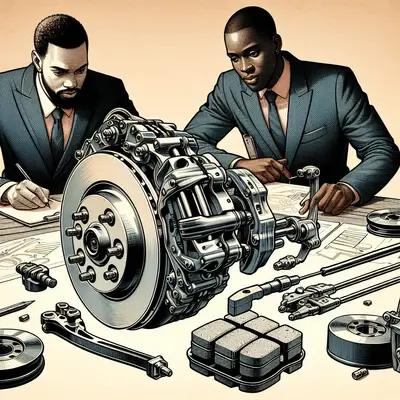
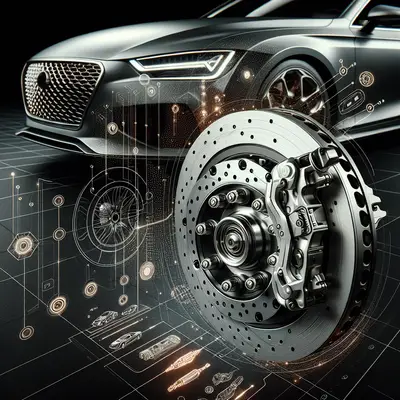
Most drivers think of brakes as a simple chain: press the pedal, slow the car. In reality, the system is a carefully calibrated network of hydraulic pressure, friction surfaces, sensors, and electronic logic. At its core, the master cylinder converts your foot’s input into hydraulic pressure, distributing fluid to calipers at each wheel. The calipers clamp pads against rotors (or shoes against drums), transforming kinetic energy into heat through friction.
Modern vehicles overlay this mechanical foundation with a suite of technologies. Anti-lock braking systems (ABS) modulate pressure during hard stops to prevent wheel lockup. Electronic stability control (ESC) and traction control selectively apply braking force at individual wheels to keep the vehicle pointed where you intend. Brake assist detects emergency braking behavior and can rapidly apply maximum braking force faster than a human can react.
For the attentive owner, the key is recognizing that “brakes” are now an ecosystem. Maintaining safety means caring not only for friction components, but also for the hydraulic system, sensors, electronics, and even the software calibrations that govern how the system behaves under stress.
Exclusive Insight #1: Pedal Feel Is a Precision Instrument, Not a Vague Impression
Discerning drivers treat pedal feel the way an audiophile treats sound quality: subtle changes matter. A premium brake system is designed to communicate, not surprise.
A firm, linear pedal typically signals a well-bled hydraulic system and healthy components. A pedal that gradually becomes softer over weeks or months can indicate moisture-contaminated fluid, worn rubber hoses, or slight internal leaks—issues that may not yet trigger a warning light but can compromise braking authority in a panic stop. A pedal that feels spongy from day one after a repair often suggests air in the lines or improper bleeding.
Refined owners pay attention to:
- How far the pedal travels before the brakes engage
- Whether pressure builds smoothly and predictably
- Any change in pedal behavior after the vehicle has been driven hard or down a long grade
Treat the brake pedal as a calibrated feedback device. If its character changes—firmer, softer, longer travel, pulsation—consider it a prompt to investigate, not an annoyance to ignore.
Exclusive Insight #2: Brake Fluid Health Is an Underestimated Safety Luxury
While pads and rotors attract attention, brake fluid is the quiet guardian of consistency. Modern brake fluids are hygroscopic, meaning they absorb moisture over time. This is intentional—it keeps water from pooling inside the system—but it also gradually lowers the fluid’s boiling point.
Under heavy braking—emergency stops, mountain descents, towing, or repeated high-speed braking—overheated, moisture-laden fluid can form vapor bubbles. Vapor compresses easily, which translates to a soft pedal and reduced braking power at precisely the wrong time.
Owners who prize exceptional brake performance treat fluid care as non-negotiable:
- Follow time-based replacement intervals, not just mileage (often every 2–3 years, or as specified in the owner’s manual)
- Use the correct DOT rating explicitly approved by the manufacturer
- Consider more frequent changes if you tow, drive in hilly terrain, or encounter extreme temperatures
This is one of the most cost-effective ways to preserve “like-new” braking behavior over the full life of the vehicle—yet it is among the most frequently neglected.
Exclusive Insight #3: Brake Balance and Stability Are Engineered, Not Accidental
Confidence in braking is as much about how a vehicle stays composed as how quickly it stops. Engineers invest significant effort in brake bias—the front-to-rear distribution of braking force—and in how the system maintains balance during emergency maneuvers.
When brake components are replaced without regard for this balance—cheap pads on one axle, mismatched friction materials, or poorly sized aftermarket rotors—the vehicle may still stop, but not with its original poise. You may notice:
- The nose diving more than before under hard braking
- A subtle tendency to pull left or right
- Instability on wet pavement or during evasive maneuvers
Refined owners look beyond “does it stop?” and ask “does it stop with composure?” Maintaining that composure means:
- Using quality components that match or exceed OEM specifications
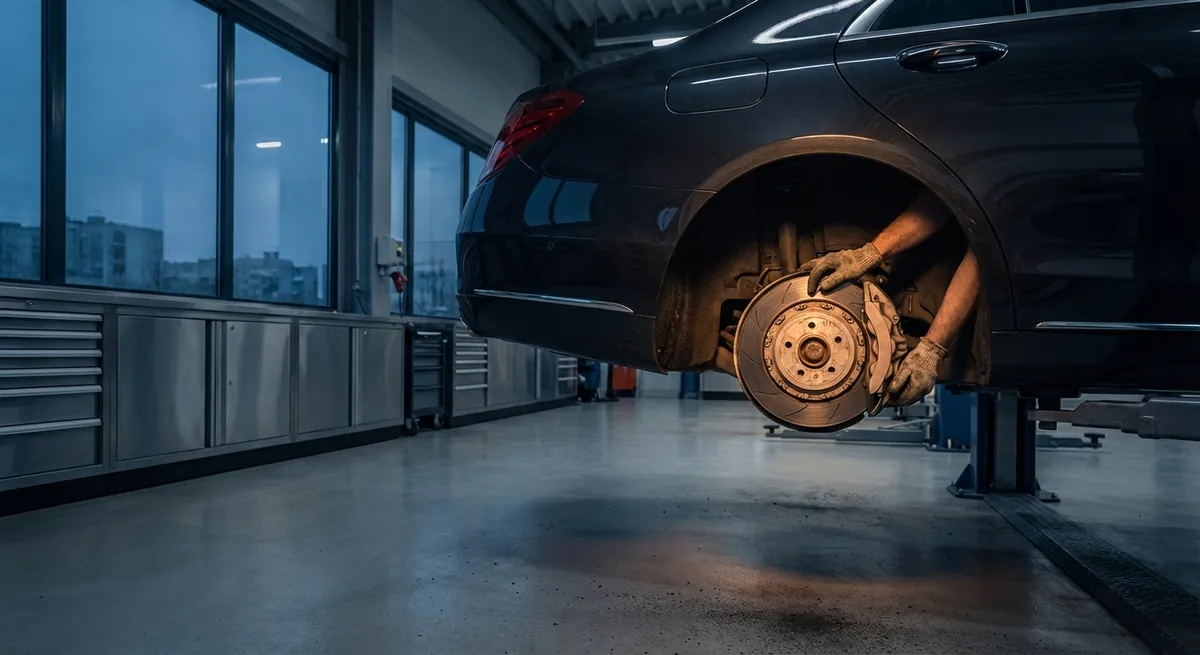
- Replacing pads and rotors in axle sets (both fronts or both rears) for symmetry
- Ensuring proper torque of wheel lugs to prevent rotor distortion
Brake performance is not merely about peak stopping force; it’s about predictable, balanced behavior from the first inch of pedal travel to the last moment before the vehicle comes to rest.
Exclusive Insight #4: Electronic Brake Technologies Quietly Redefine What “Safe” Means
ABS, ESC, EBD (electronic brakeforce distribution), and automatic emergency braking (AEB) have transformed the technical definition of a “safe” brake system. They operate in the background, often unnoticed—until the instant you need them.
ABS prevents wheel lockup, but it also preserves steering control; you can brake hard and still steer around an obstacle. ESC uses individual wheel braking to counteract skids or slides, quietly correcting a path you may not have time to recover from yourself. AEB systems, when properly calibrated and unobstructed, can initiate braking if an imminent forward collision is detected.
A safety-conscious owner should:
- Keep sensors, radars, and cameras clean and unobstructed (no poorly mounted accessories blocking them)
- Confirm that warning lights related to ABS/ESC are never ignored or covered
- Request proper calibration of advanced driver-assistance systems (ADAS) whenever windshields, bumpers, or sensor mounts are replaced
These technologies do not replace attentive driving, but they dramatically expand the margin for error in rare, critical moments. The premium approach is to treat them as finely tuned instruments that deserve the same respect as mechanical components.
Exclusive Insight #5: Driving Style Is the Ultimate Brake System “Tuning” Tool
Even the most sophisticated brake system is at the mercy of how it is used. A refined driver understands that every input—how early you lift, how firmly you press, how far you follow—actively shapes both safety and component lifespan.
Subtle adjustments to driving style can produce outsized benefits:
- Looking farther ahead allows earlier, smoother braking, minimizing heat and wear
- Maintaining generous following distances reduces the need for abrupt stops
- Using engine braking on long descents (within manufacturer guidelines) lessens thermal stress on rotors and pads
- Avoiding unnecessary hard stops from high speed preserves brake integrity and reduces the risk of rotor warping
These are not simply “good habits”—they’re part of an intentional strategy to keep the brake system operating well within its comfort zone. The result is quieter operation, more consistent pedal feel, fewer repairs, and a meaningful enhancement in real-world safety.
Conclusion
A truly capable brake system does its finest work in silence, revealing its sophistication only in the way the car settles confidently under your command. For owners who value more than just mobility—for those who value composure, predictability, and safety engineered into every stop—paying attention to the subtleties of brake behavior is a mark of refined ownership.
By treating pedal feel as a precision signal, prioritizing brake fluid health, respecting engineered brake balance, supporting electronic safety systems, and aligning driving style with mechanical limits, you elevate your brake system from a basic necessity to a carefully curated safety asset. In the quiet confidence of a well-maintained braking system lies one of the most tangible expressions of truly premium motoring.
Sources
- [NHTSA – Brakes and Safety Technologies](https://www.nhtsa.gov/equipment/brakes) – Overview of braking systems, ABS, and related safety technologies from the U.S. government’s highway safety agency
- [IIHS – Front Crash Prevention and Automatic Braking](https://www.iihs.org/topics/front-crash-prevention) – Explains how modern automatic emergency braking and related systems enhance real-world safety
- [Continental – Fundamentals of Brake Fluids](https://am.continental-aftermarket.com/us-en/tech-tips/fundamentals-brake-fluids) – Technical background on brake fluid behavior, moisture absorption, and maintenance intervals
- [Car and Driver – How Anti-lock Brakes Work](https://www.caranddriver.com/features/a15146493/anti-lock-brakes-explained-tech-dept/) – Accessible yet detailed explanation of ABS operation and benefits
- [SAE International – Brake System Performance and Design](https://www.sae.org) – Professional engineering organization with standards and papers on brake design and performance (search within site for brake-related publications)
Key Takeaway
The most important thing to remember from this article is that this information can change how you think about Brake Systems.