For the driver who expects more than “good enough,” brakes are not merely a safety feature—they are a standard of personal discipline. Each stop sign, each descending ramp, each wet intersection is a quiet test of the care you invest in your vehicle. This guide is crafted for owners who want clarity, not guesswork: a refined overview of brake repair fundamentals, anchored by five often‑overlooked insights that elevate safety from adequate to exceptional.
Understanding Brake Anatomy with a Safety‑First Lens
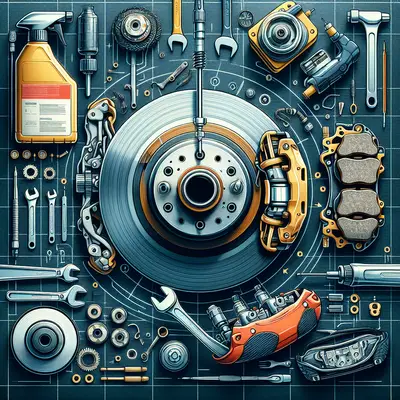
Modern brake systems are deceptively simple at the pedal yet exquisitely complex at the wheel. At their core, you have a hydraulic system: pressing the pedal multiplies force through the master cylinder, pushing fluid through lines to calipers (disc brakes) or wheel cylinders (drum brakes). These components squeeze pads against rotors or shoes against drums, converting motion into heat and—if everything is healthy—predictable deceleration.
A premium approach to ownership begins with recognizing how interdependent these parts are. Worn pads can scar rotors; neglected fluid can corrode internal passages; sticking calipers can overheat a single corner and destabilize the entire vehicle under hard braking. Rather than thinking of “brake repair” as changing one part, view it as preserving a complete, balanced system. This mindset guides more precise conversations with your technician and more confident decisions about what should (and should not) be replaced.
The Disciplined Repair Mindset: Planning, Not Reacting
For many drivers, brake repair is reactive: a squeal, a warning light, a failed inspection. The discerning owner treats brake care as planned risk reduction. That starts with understanding your vehicle’s maintenance schedule—most manufacturers provide inspection intervals but not rigid mileage for pad replacement, because driving style and environment matter enormously.
Elegance in brake ownership means closing the gap between “I think they’re fine” and “I know where they stand.” Keep a record of mileage at each brake service, ask for remaining pad thickness measurements in millimeters, and note rotor condition. Over time, you’ll recognize your car’s natural wear pattern and can schedule repairs before performance declines. This planning avoids rushed decisions, protects you from unnecessary upsells, and, most importantly, prevents the unnerving surprise of diminished braking when you need it most.
Five Exclusive Insights for Owners Serious About Brake Safety
Below are five refined, lesser‑discussed insights that sophisticated owners use to quietly elevate brake safety beyond ordinary standards.
1. Brake Pedal Feel Is a Diagnostic Instrument, Not an Afterthought
Most drivers only notice their brake pedal when something is obviously wrong. A more exacting approach treats pedal feel as a constant, subtle diagnostic tool. A firm, consistent pedal that responds at the same height, with the same resistance, day after day is a sign of a healthy hydraulic system.
Changes in feel—gradual sinking at a stoplight, increased pedal travel, springiness or sponginess, or a new vibration underfoot—often surface before a warning light does. These shifts can indicate air in the lines, fluid degradation, internal master cylinder wear, or rotor issues. Training yourself to register these details, especially after service or heavy braking events (such as mountain driving), allows you to detect emerging problems early, when repairs are usually simpler and safer.
2. Brake Fluid Is a Wear Item—Treat It with the Same Respect as Engine Oil
Brake fluid is frequently overlooked, yet it is the lifeblood of your stopping power. Most modern brake fluids are hygroscopic—they absorb moisture over time. As water content increases, boiling point decreases, making the system more vulnerable to “brake fade” during repeated hard stops or towing. Moisture also encourages internal corrosion of lines, calipers, and the ABS hydraulic unit.
An elevated standard is to treat brake fluid as a scheduled service, not a suggestion. Many European manufacturers specify intervals (often around 2 years), while others leave it more open‑ended. If you drive in humid climates, tow, or navigate steep grades regularly, periodic fluid testing or proactive flushing becomes especially wise. Request that your technician use the correct specification fluid (DOT 3, 4, 5.1, etc.) recommended by your manufacturer and ensure the reservoir cap is always properly sealed to minimize moisture intrusion.
3. Rotor Condition Is About More Than Thickness
Most people hear “the rotors look fine” and assume the story ends there. A more nuanced view considers not just minimum thickness but surface quality, runout (wobble), and evenness of pad contact. Rotors that meet thickness specs can still create pulsation, uneven braking, or prematurely wear new pads if they are warped, scored, glazed, or contaminated by improper torqueing of wheel lug nuts.
When replacing pads, sophisticated owners ask how rotor condition was evaluated. In some cases, a precise resurfacing is appropriate; in others, replacement is the only way to restore stable braking. Importantly, rotors should always be treated as an axle set: replacing or machining only one side invites imbalance. Paying attention to rotor quality is not cosmetic; it directly influences confidence under emergency braking.
4. Caliper Health Is a Silent Determinant of Stopping Stability
Calipers are often left in place until they fail outright, yet their behavior determines how evenly each wheel contributes to a stop. A subtly sticking caliper slide or piston can cause one pad to wear much faster, generate excessive heat at a single corner, and pull the vehicle to one side under braking. Similarly, seized rear calipers (especially those integrated with parking brake mechanisms) can quietly reduce total available braking force.
An elevated brake service includes inspection and proper lubrication of caliper slide pins, verification that pistons retract smoothly, and confirmation that pads move freely in their brackets. If you notice consistent uneven pad wear between sides or front versus rear, that’s not just a pad issue—it’s a cue to scrutinize caliper operation and hardware. Investing in caliper health is an investment in consistency, particularly during high‑demand stops.
5. High‑Quality Parts Are Only as Good as the Installation Practices
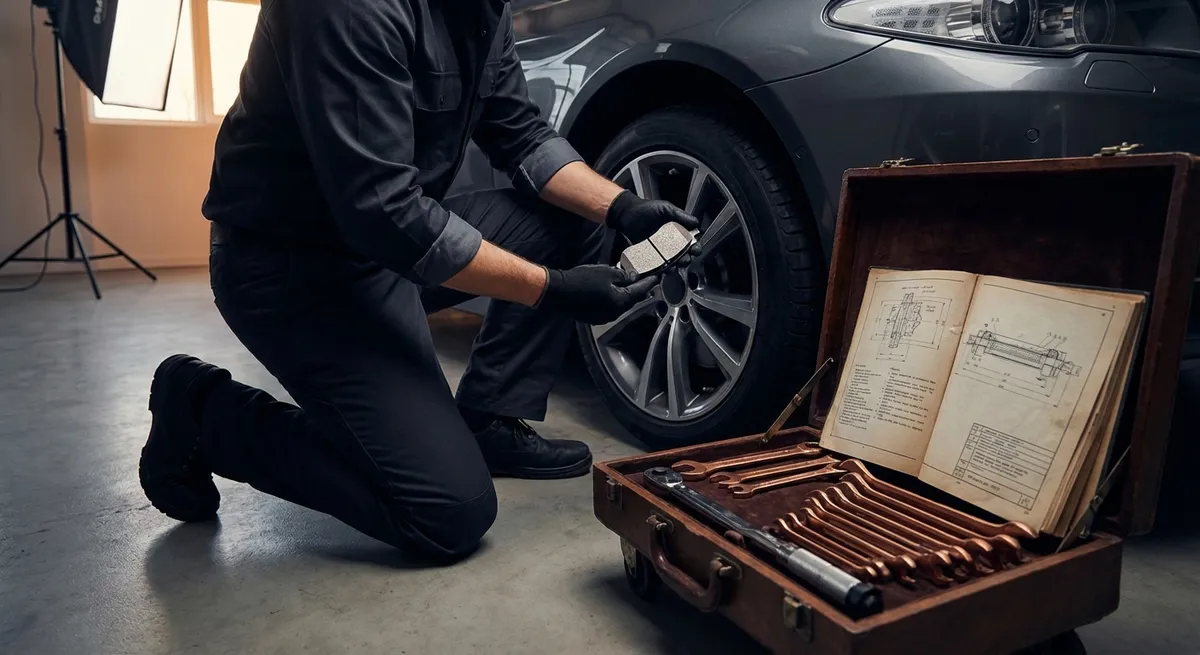
Premium pads and rotors can be undermined by hurried or careless installation. Subtle procedural details—cleaning hub surfaces to ensure rotors sit true, properly torquing lug nuts in sequence, applying the correct type and amount of lubricant in the right places, and bedding‑in new pads according to manufacturer guidance—have an outsized impact on how your brakes feel and how long they last.
Discerning owners ask process‑oriented questions: Were the hubs cleaned of rust before rotor installation? Was a torque wrench used on the wheels? Were the pad contact points de‑burred and cleaned? Did the shop follow any specified break‑in procedure for the pad compound? This is not micromanagement; it is aligning the service you pay for with the performance and safety you expect.
Elevating Everyday Driving with Subtle Brake Habits
Repair quality is only half of refined brake ownership; the other half is how you drive. Smooth, anticipatory braking reduces heat, lowers wear, and preserves the friction surfaces that stand between you and a collision. Looking far ahead, easing off the accelerator sooner, and avoiding abrupt, last‑second stops does more for brake longevity and stability than any single component upgrade.
When descending long grades, downshift (where appropriate) and use engine braking to share the load. After driving through deep water, perform a few gentle brake applications in a safe area to help dry the pads and rotors. If you store your vehicle for extended periods, short periodic drives that heat‑cycle the brakes can help reduce rust buildup on rotors and sticking issues in calipers. These quiet habits extend the life of your repairs and maintain the crisp, predictable pedal feel that distinguishes a well‑kept vehicle.
When to Seek Professional Help—Without Hesitation
Even the most knowledgeable owner must recognize the boundaries of safe DIY work. Brake systems are unforgiving of errors: incorrect bleeding can introduce air; improper hardware installation can lead to parts loosening; misrouted hoses or lines can cause catastrophic failure. If you’re unsure, or if the repair involves ABS modules, hydraulic lines, or complex electronic parking brake systems, entrust the work to a qualified professional.
Choose shops that welcome your questions, provide measurements and test results (pad thickness, rotor specs, fluid condition), and are comfortable explaining their choices in parts and procedure. A premium experience is not about marble floors in the waiting room; it is about technical transparency and disciplined workmanship on the vehicle itself.
Conclusion
For the driver who values composure in every stop, brake repair is more than a necessary expense—it is a deliberate practice. Understanding the system, respecting fluid as a wear item, attending to rotor and caliper integrity, and insisting on meticulous installation all contribute to a more predictable, more reassuring braking experience. Combine those standards with thoughtful daily driving habits, and your brakes become not just compliant with safety standards, but a quiet reflection of your personal expectations for control and care.
Sources
- National Highway Traffic Safety Administration (NHTSA) – Brakes - Federal safety information and guidance on braking systems and performance
- U.S. Department of Transportation – Brake Systems and Safety Publications - Broad safety resources, including technical and policy information related to vehicle safety
- University of California, Berkeley – Vehicle Dynamics and Braking Overview - Mechanical engineering resources that underpin understanding of braking forces and vehicle control
- Bosch Auto Parts – Braking System Components Explained - Detailed explanations of modern brake system components and their roles
- AAA – Car Brake System Basics and Maintenance Tips - Consumer‑focused guidance on brake system maintenance and warning signs
Key Takeaway
The most important thing to remember from this article is that this information can change how you think about Repair Guides.