Brakes are not merely a safety feature; they are the final expression of how well your vehicle has been cared for. For drivers who prize composure, control, and quiet confidence on the road, brake repair is less about fixing what’s broken and more about curating a system that performs flawlessly when it matters most. This guide is crafted for owners who want their brake service to feel intentional, exacting, and distinctly above the ordinary—down to the last fastener.
Understanding the Brake System as a Cohesive Ensemble
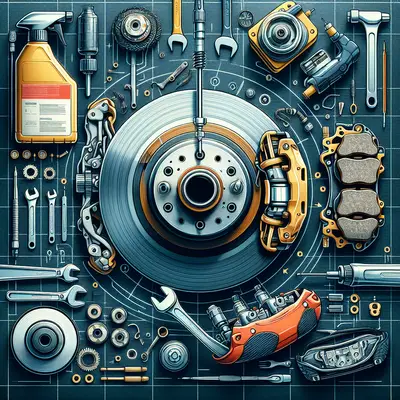
Most repair conversations isolate components—pads, rotors, calipers—yet braking performance is the result of the entire system working in harmony. Your pads are only as effective as the rotor surface they mate with, the hydraulic pressure that acts on them, and the tire grip that ultimately translates deceleration to the road.
A sophisticated approach to brake repair begins with this systems mindset. Rather than replacing a single worn part, you or your technician should evaluate how each component is influencing pedal feel, stopping distance, and stability under hard braking. That means inspecting pad wear patterns for uneven loading, checking rotor thickness variation and runout with proper instruments, and ensuring flexible brake hoses are not internally collapsing with age.
Viewed as an ensemble, brakes become less about “parts on a list” and more about “interactions under load.” This is how you move from acceptable braking to consistently predictable, finely controlled stops.
The Foundation: Elegant Basics Done to a Higher Standard
The fundamentals of brake repair are widely known: replace thin pads, resurface or replace worn rotors, bleed the fluid periodically. The difference between ordinary service and elevated brake care lies in how meticulously those basics are performed.
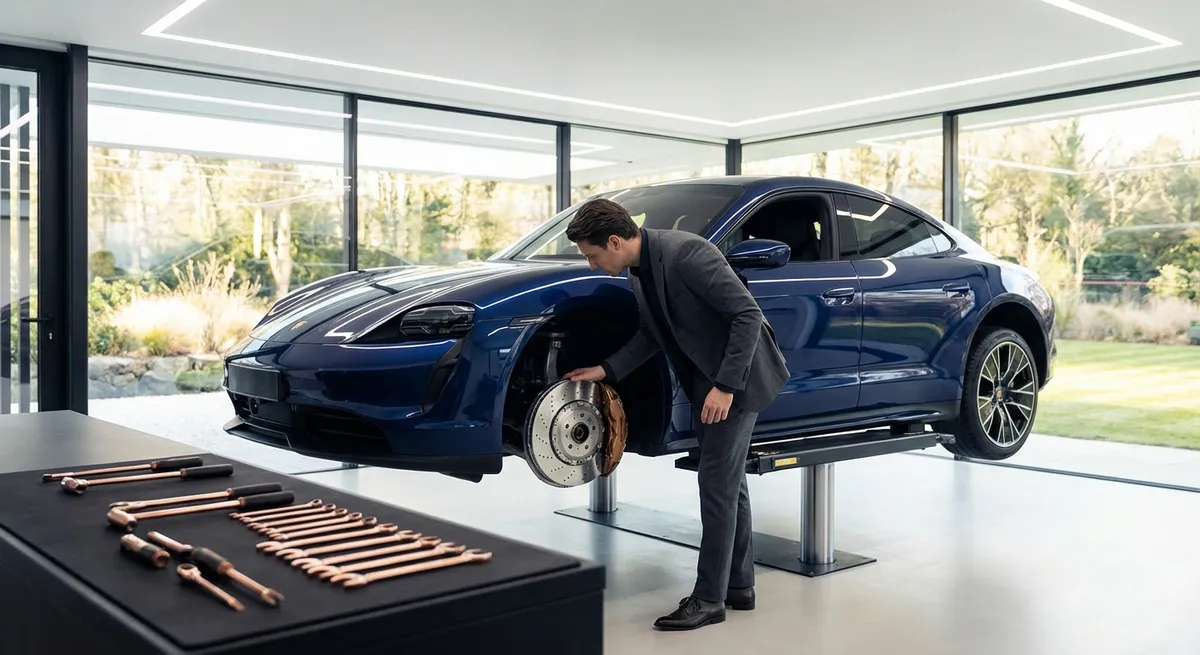
A premium standard includes confirming proper torque on all hardware with a calibrated torque wrench, not guesswork. Hub faces should be cleaned down to bare metal to ensure rotors sit perfectly true, preventing future pulsation. Pad abutment areas on the caliper bracket should be thoroughly cleaned and lightly treated with high-temperature brake lubricant where appropriate, avoiding contamination of pad friction surfaces.
Even small oversights—like failing to replace corroded hardware clips or ignoring a slightly sticky slide pin—can undermine the most expensive components. You want every contact surface prepared, every fastener correctly tightened, and every moving part verified for free, smooth motion. Precision in the basics is what makes the rest of your brake upgrades truly noticeable.
Five Exclusive Insights for Owners Who Expect More
Within that elevated standard, there are nuances many shops never discuss—but that discerning owners deeply appreciate. These five insights can transform your brake repairs from “acceptable” to “exceptional.”
1. Spec-Grade Brake Fluid: Matching Fluid to Your Driving Reality
Brake fluid is often treated as an afterthought, yet it directly governs pedal firmness and fade resistance during demanding stops. While DOT 3 or DOT 4 fluid may technically meet minimum requirements, there is a difference between “sufficient” and “optimized.”
A sophisticated strategy involves:
- Choosing a high-quality DOT 4 or DOT 5.1 fluid with a high dry and wet boiling point, particularly if you drive in mountainous regions, tow, or brake aggressively.
- Flushing fluid proactively—often every 2–3 years, not just when it turns dark—because moisture absorption degrades performance long before visible color changes.
- Ensuring a complete flush that reaches all four corners and the ABS modulator, not just a partial bleed at one wheel.
The result is a more consistent pedal under stress, reduced fade in emergency stops, and a braking system that feels confident rather than uncertain when heat builds.
2. Rotor Selection Beyond Price: Metallurgy, Coatings, and Quiet Authority
Not all rotors are created equal, even if they share dimensions. You want rotors that balance heat tolerance, wear resistance, and noise control—without resorting to flashy but unnecessary features.
Refined choices look like this:
- Using high-quality, OEM-equivalent or better rotors with tight tolerances and well-controlled metallurgy to minimize thickness variation and warping.
- Preferring rotors with protective coatings on non-friction surfaces (hats and edges) to resist rust, especially in regions with road salt, keeping brakes cleaner and more visually composed behind open wheels.
- Avoiding unnecessary cross-drilling or slotting for daily drivers unless you have a specific performance need; high-quality plain rotors are often quieter and more consistent for road use.
Selecting rotors with intention doesn’t simply improve stopping; it reduces noise, vibration, and unsightly corrosion—details that matter when you care how your vehicle looks and feels over time.
3. Pad Compounds Curated to Your Priorities, Not Just Availability
Brake pads are the “voice” of your braking system: they define much of the feel, bite, and noise profile. Many shops install whatever is on the shelf. A more discerning approach is to align pad chemistry with how you actually drive.
Thoughtful pad selection means:
- For urban commuters: a high-quality ceramic or low-dust formulation that emphasizes quiet operation, smooth engagement, and clean wheels.
- For spirited or heavy vehicles: a premium semi-metallic or performance-oriented pad with higher temperature tolerance and more initial bite, at the cost of slightly more dust.
- For mixed duty: advanced ceramic formulations that balance low noise with improved fade resistance.
Ask specifically about pad friction ratings and intended use. Choosing correctly can give you smoother modulation, quieter operation, and a brake pedal that feels composed rather than abrupt or vague.
4. Brake Balance and Chassis Dynamics: The Subtle Art of “Straight and True”
When everything is working properly, hard braking at highway speeds should feel calm, linear, and straight. If the vehicle pulls to one side, feels unstable, or “dives” awkwardly, the concern is not only brake components but how they integrate with the suspension and tires.
Advanced brake care includes:
- Confirming even brake force side-to-side through inspection of pad thickness, rotor condition, and caliper operation, especially on the rear axle, which is often neglected.
- Evaluating suspension health—worn struts, bushings, or ball joints can compromise stability under braking.
- Matching tire condition and pressure across all four corners, since inconsistent traction can mimic brake issues.
By insisting that your brake repair includes this broader inspection, you achieve more than strong stops; you gain a composed, confidence-inspiring deceleration, even in abrupt maneuvers.
5. Documented Torque, Bedding, and Break-In: The Finishing Touches That Most Skip
The final phase of brake repair—what happens after new parts are installed—is often where refinement is either secured or squandered.
Three practices elevate the result:
- Documented torque: Lug nuts and key caliper fasteners should be tightened to manufacturer specifications, not simply “tight enough.” Uneven or excessive torque can distort rotors and lead to future pulsation.
- Proper pad bedding: New pads and rotors need a series of controlled stops to establish a stable transfer layer of friction material on the rotor face. A thoughtful bedding procedure minimizes noise, ensures smoother braking, and extends component life.
- Early driving discipline: During the first 200–300 miles, avoiding full-panic stops when possible and allowing some cooling time between harder uses helps components settle without hotspots or glazing.
These details cost nothing in additional parts, but they define whether your new brakes feel merely “new” or genuinely refined.
Partnering with the Right Professional—or Doing It Yourself Well
Not every owner will perform their own brake repairs, and that’s perfectly reasonable. What matters is that the work, whether DIY or professional, respects the same high standards.
If you use a shop, consider:
- Asking how they clean hub surfaces, torque fasteners, and handle pad bedding.
- Requesting the specific brands and specifications of pads, rotors, and fluids used.
- Ensuring they provide a written estimate, clear explanation of findings, and a post-service test drive report if possible.
If you prefer to work on your own vehicle, elevate your process with quality tools, verified torque specifications, manufacturer service information, and a meticulous, unhurried mindset. In both cases, your goal is the same: brakes that inspire trust every time you touch the pedal.
Conclusion
Exceptional braking is never an accident; it is the outcome of deliberate choices, precise workmanship, and a willingness to care about details others overlook. When you view your brake system as a carefully tuned ensemble—supported by premium components, correct fluid, balanced dynamics, and disciplined finishing practices—you transform every stop into an expression of quiet capability.
For the owner who values composure over drama and assurance over approximation, brake repair becomes more than maintenance. It becomes a craft—one that repays your attention with safety, serenity, and the confidence that your vehicle will respond flawlessly when the road demands your best.
Sources
- [National Highway Traffic Safety Administration (NHTSA) – Brake Safety](https://www.nhtsa.gov/equipment/brakes) - Federal guidance on brake system performance, safety considerations, and equipment requirements
- [U.S. Department of Transportation – Brake Fluid Information](https://www.transportation.gov/mission/safety/brake-fluid-and-brake-systems) - Technical background on brake fluid types, maintenance, and safety implications
- [AAA – How to Know When You Need New Brakes](https://www.aaa.com/autorepair/articles/how-to-know-when-you-need-new-brakes) - Consumer-focused overview of brake wear symptoms and service best practices
- [Consumer Reports – Brake Repair Basics](https://www.consumerreports.org/car-repair-maintenance/brake-repair-basics-a6418486101/) - Independent guidance on pads, rotors, and what to expect from professional service
- [SAE International – Brake System Fundamentals](https://www.sae.org/binaries/content/assets/cm/content/topics/brakes/brake-systems-fundamentals.pdf) - Technical reference on modern brake system design, components, and performance factors
Key Takeaway
The most important thing to remember from this article is that this information can change how you think about Repair Guides.