The most memorable drives are often the quietest ones—the vehicle composed, the cabin serene, and every stop measured and predictable. Behind that calm lies an intricate brake system working in the background, turning kinetic energy into controlled stillness. For the discerning vehicle owner, understanding this system is not about becoming a mechanic; it is about cultivating a level of confidence and safety that matches the refinement of the drive itself.
The Architecture of Deceleration: What Your Brake System Really Does
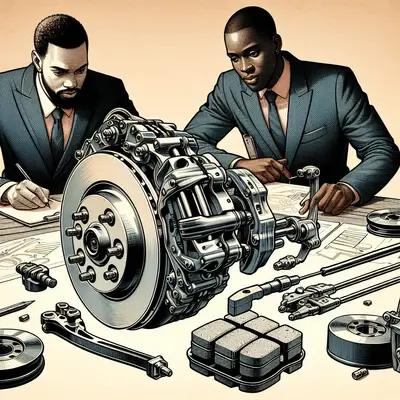
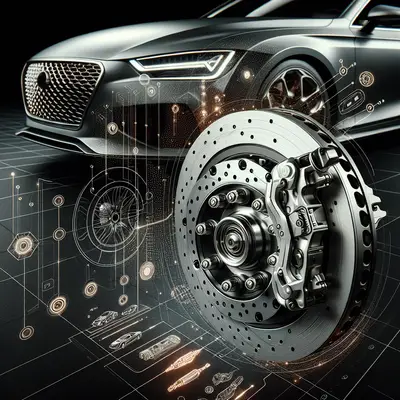
Modern brake systems are far more than pads and rotors squeezed together. At their core, they convert your car’s forward motion into heat through friction, then manage that heat so the system continues to perform consistently. The brake pedal transmits your input via a booster and master cylinder, converting mechanical force into hydraulic pressure. That pressure is routed through carefully engineered brake lines to calipers, which clamp pads against rotors with astonishing precision and force.
Layered on top of this hydraulic foundation are electronic systems: ABS (Anti-lock Braking System), traction control, and electronic stability control. These features use sensors at each wheel to monitor rotation speed and intervene in milliseconds to keep the tires at the edge of available grip. In luxury and performance vehicles, software calibration can be so refined that emergency stops remain stable, controlled, and remarkably drama-free. When everything is working properly, you feel only the result: a poised, unhurried reduction in speed that feels as deliberate as it is safe.
Five Exclusive Insights for the Safety-Conscious Driver
For owners who demand more than “it seems fine,” the difference lies in subtle behaviors and habits. These five insights reveal details professionals watch closely—but that most drivers overlook.
1. Brake Feel Is a Language—Learn to “Read” It
Your brake pedal is constantly sending you information. A firm, consistent pedal that responds linearly to pressure speaks to a healthy system. A pedal that feels spongy, sinks slowly at a stoplight, or requires more effort than usual is communicating a problem.
Pay attention to:
- Initial bite: The first moment the brakes engage should feel prompt yet smooth. A delay can indicate pad glazing, contamination, or calipers that need attention.
- Pedal travel over time: If you gradually need more pedal movement for the same stopping power, you may be masking a small fluid leak, worn pads, or heat-related deterioration.
- Consistency in traffic: In slow, repeated stops, the pedal should not become noticeably softer; if it does, brake fluid may be overheating or absorbing moisture.
A practiced driver can often detect evolving issues weeks before warning lights appear, simply by recognizing when the pedal’s “accent” has changed.
2. Brake Noise Is Not Always “Normal”—It’s a Diagnostic Clue
Many drivers are told, “Brakes just make noise.” In a refined, properly maintained system, persistent noise is the exception, not the rule. Occasional light squeaks in the first few stops on a damp morning can be harmless surface rust burning off. But recurring sounds deserve closer examination:
- High-pitched squeal at low speed: Often linked to pad wear indicators or low-quality friction material.
- Grinding or growling: A late-stage symptom suggesting pads are worn through to the backing plate, directly harming the rotors.
- Cyclic scraping that rises with speed (even without braking): May indicate a warped rotor, stuck caliper, or debris lodged between rotor and shield.
Sophisticated ownership means resisting the temptation to normalize chronic brake noise. Instead, treat it as an early, polite invitation to investigate—before it becomes an urgent, expensive problem.
3. Temperature Management Is the Quiet Hero of Safe Braking
Brake systems live and die by how well they manage heat. Every stop converts your car’s momentum into thermal energy, which must be absorbed by pads and rotors, then shed to the surrounding air. Chronic high temperatures accelerate pad wear, warp rotors, and degrade fluid.
Even everyday driving can push brakes harder than many owners realize—spirited highway travel followed by sudden traffic, repeated downhill braking, or driving with heavy loads. A few refined habits dramatically reduce heat stress:
- Use engine braking on descents: Selecting a lower gear lets the engine absorb some of the load, reducing constant pressure on the brakes.
- Avoid resting a foot on the pedal: Even slight, unconscious pressure keeps pads in contact, creating unneeded heat and wear.
- Plan your stops earlier: Gentle, longer deceleration generates less peak temperature than abrupt, last-second braking.
Owners of heavier or high-performance vehicles may consider higher-temperature-rated pads or slotted rotors, not for track use alone, but for added consistency and confidence in demanding driving environments.
4. Brake Fluid Is Not “Lifetime”—It’s a Consumable Worth Respecting
Brake fluid is one of the most underestimated components in the system. It is hygroscopic, meaning it naturally absorbs moisture over time from the air. That moisture lowers the fluid’s boiling point and can lead to vapor formation under heavy braking, causing a soft pedal or sudden fade. It also fosters internal corrosion in lines, calipers, and ABS components.
A sophisticated maintenance philosophy treats brake fluid like an essential safety fluid, not an afterthought. Key considerations:
- Age matters as much as mileage. Even low-mileage vehicles benefit from periodic fluid replacement because moisture intrusion is time-based.
- Color is only a rough indicator. Very dark or cloudy fluid is overdue for replacement, but fluid can be moisture-laden before visible discoloration.
- Higher-spec fluid isn’t always better for the street. Some performance fluids have higher dry boiling points but absorb moisture faster; the optimal choice balances performance with stability and service intervals.
Following a regular fluid service interval—often every 2–3 years for many vehicles—preserves the crisp, confident pedal feel drivers notice in a well-kept car.
5. Brake Performance Is a System, Not Just a Set of Parts
Upgrading or maintaining brakes is most effective when viewed as a system, where each component supports the others. Premium pads installed on worn rotors, or fresh fluid feeding sticking calipers, will never deliver the calm, secure stop a conscientious owner expects.
A truly well-sorted system considers:
- Pads matched to driving style: Daily urban use, towing, performance driving, and mountain commutes all place different demands on friction material.
- Rotor condition and design: Excessively thinned or uneven rotors can cause vibration and extended stopping distances, even if they are not yet “failing.”
- Rubber lines and hardware: Aging hoses, guides, and seals can swell, bind, or leak, introducing inconsistency that feels subtle—until you need full braking power.
- Tire quality and pressure: Brakes can only do as much as the tire’s contact patch allows. Even the finest brake setup is limited by underinflated or worn tires.
Thinking in terms of system harmony—rather than individual part replacement—elevates brake work from simple repair to thoughtful safety curation.
Subtle Checks the Attentive Owner Can Perform
You don’t need a lift or a toolbox to gain insight into your brake system’s health. A few low-effort, high-value habits provide an ongoing snapshot of performance:
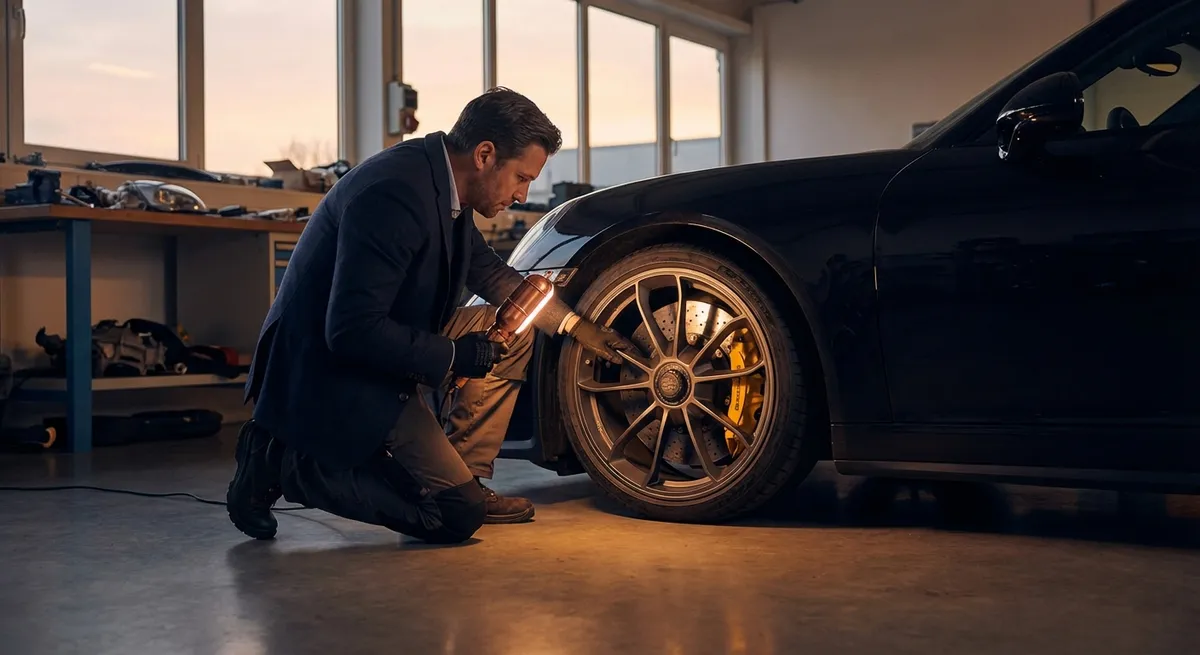
- Visual wheel inspection: After a drive, glance at your wheels. Excessive dark, uneven brake dust on one wheel versus others can signal a dragging caliper or uneven pad wear.
- Smooth-braking test on a quiet road: From moderate speed, apply the brakes gently but firmly. Note any vibration in the steering wheel, seat, or pedal—often an early sign of rotor irregularity or suspension issues that affect braking.
- Parking brake evaluation: On a safe, slight incline, engage the parking brake fully. The vehicle should remain stationary without excessive lever or pedal travel, reinforcing that rear brakes and parking brake mechanisms are functioning properly.
- ABS activation awareness: In truly hard braking, you may feel pulsing in the pedal as ABS activates. If the system seems overly eager or completely absent in emergency maneuvers, further diagnostics are justified.
Taken together, these quiet observations allow you to spot trends before they become events—aligning perfectly with an owner’s desire for both safety and composure.
Conclusion
A refined driving experience extends beyond leather, sound insulation, and power figures; it rests on the unglamorous but vital competence of the brake system. For the owner who values control and serenity, brakes are not merely components that “work” or “don’t work.” They are a carefully tuned ensemble of hydraulics, electronics, friction, and heat management, all answering to the subtle cues of your right foot.
By learning to interpret brake feel and sound, respecting the importance of temperature and fluid care, and viewing every component as part of a larger system, you cultivate something truly premium: the confidence that every stop—whether gentle or urgent—will be as composed as the drive itself. That is the quiet luxury of a brake system maintained with intention.
Sources
- [National Highway Traffic Safety Administration (NHTSA) – Brake Safety Information](https://www.nhtsa.gov/equipment/brakes) - Federal guidance on brake system function, safety technology, and maintenance considerations
- [Car and Driver – How Your Car’s Brakes Work](https://www.caranddriver.com/features/a15129311/how-your-cars-brakes-work-feature/) - Detailed, enthusiast-oriented explanation of hydraulic braking systems, ABS, and performance considerations
- [AAA – Understanding Your Cars Braking System](https://exchange.aaa.com/automotive/understanding-your-cars-braking-system/) - Consumer-focused overview of brake components, warning signs, and maintenance recommendations
- [Bosch Mobility – Brake Systems Overview](https://www.bosch-mobility.com/en/solutions/passenger-cars-and-light-commercial-vehicles/braking-systems/) - Technical insight into modern brake components, including ABS and stability control systems
- [Ford Motor Company – Importance of Brake Fluid Maintenance](https://www.ford.com/support/how-tos/service-maintenance/brakes/what-does-brake-fluid-do-and-why-is-it-important/) - Manufacturer guidance on brake fluid function, degradation, and service intervals
Key Takeaway
The most important thing to remember from this article is that this information can change how you think about Brake Systems.