Brake maintenance is often treated as an afterthought—handled only when a warning light appears or a noise becomes impossible to ignore. Yet for the discerning driver, brakes are not merely components; they are the quiet arbiters of control, confidence, and composure on every journey. Thoughtful care of your braking system transforms routine maintenance into an exercise in precision, foresight, and safety at its highest standard.
This guide explores a refined approach to brake upkeep, with five exclusive insights tailored for drivers who expect their vehicle to respond flawlessly—especially when it matters most.
Understanding Brake Wear as a System, Not a Single Part
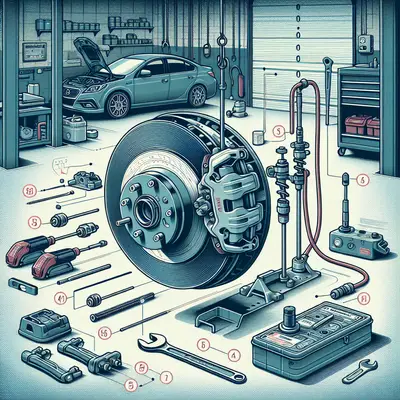
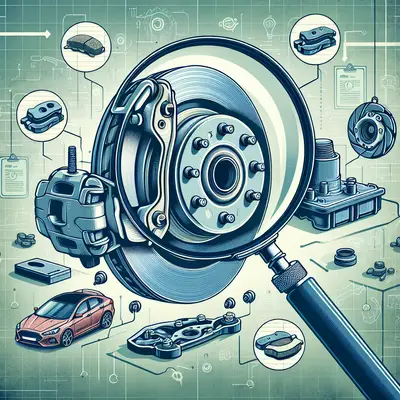
Many owners think of “brake wear” as a question of pad thickness alone. In reality, brake performance reflects the condition of an interconnected system: pads, rotors, calipers, brake lines, fluid, and even wheels and tires all contribute to what you feel at the pedal.
Premium brake care begins with thinking in systems, not pieces. For example, replacing pads without evaluating rotor condition can introduce vibration, glazing, or uneven bedding. Ignoring flexible rubber brake hoses while focusing only on pads and rotors can leave you with a firm pedal one day and a spongy feel the next. A meticulous inspection considers pad wear patterns, rotor surface quality, caliper movement, and the condition of fluid and lines together.
When a shop proposes a brake repair, a refined owner asks not just “What’s worn?” but “How is the system performing as a whole?” This mindset leads to more stable braking, fewer surprises, and longer-lasting components.
Exclusive Insight #1: Treat Brake Fluid as a Precision Component
Brake fluid is often neglected because it is out of sight and, usually, out of mind. Yet for any modern braking system—especially those with ABS and stability control—brake fluid is a precision medium that transfers your intent to the wheels in milliseconds.
Over time, brake fluid absorbs moisture from the air, even in sealed systems. This lowers its boiling point and can introduce corrosion into delicate internal passages. Under heavy braking, especially on long descents or in hot climates, moisture-contaminated fluid can turn to vapor, leading to a soft pedal or temporary loss of braking force.
A refined maintenance schedule treats brake fluid change intervals as non-negotiable, often every 2–3 years, or as recommended in your owner’s manual—whichever is sooner. For drivers who tow, drive in mountainous terrain, or demand consistent pedal feel, testing the fluid’s boiling point or moisture content provides an elevated level of oversight. In other words, don’t just “top off” brake fluid; evaluate it, replace it on schedule, and regard it with the seriousness it deserves.
Exclusive Insight #2: Reading Wear Patterns as a Diagnostic Language
Brake pads and rotors tell a story—if you know how to read it. Uneven wear is not just a cosmetic concern; it is a language of early warning signs that sophisticated owners use to prevent larger, more expensive problems.
For example:
- Tapered pad wear (thicker at one end) can indicate a sticking caliper slide or uneven caliper pressure.
- Deep grooves on the rotor may hint at debris or a pad worn to its backing plate.
- Glazed, shiny pad surfaces can suggest excessive heat, riding the brakes, or mismatch between pad material and driving style.
- Blue or discolored rotors point to overheating and merit a deeper look at driving habits or caliper operation.
Requesting your old pads and rotors after a brake job—and inspecting them or having a trusted technician walk you through their condition—turns brake service into an informative experience rather than a blind transaction. Over time, you learn what “normal” looks like for your vehicle and can spot deviations early.
Exclusive Insight #3: Caliper Etiquette—The Subtle Guardian of Even Braking
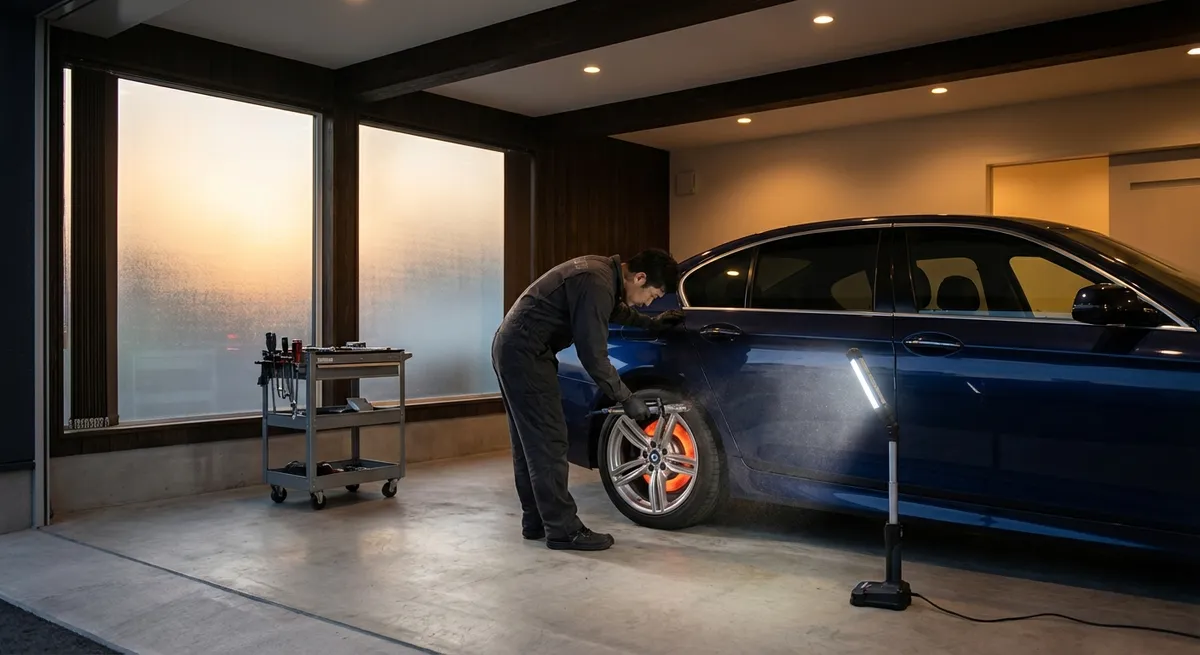
While pads and rotors often get all the attention, calipers are the understated guardians of balanced braking. Even a premium pad set is only as effective as the caliper applying it. Sticky caliper pistons or dry, neglected guide pins can produce pulls, uneven wear, or subtle vibrations that erode confidence behind the wheel.
A sophisticated maintenance routine includes:
- Ensuring caliper slide pins are cleaned and lubricated with the correct high-temperature brake grease.
- Inspecting caliper dust boots for cracks or tears that can admit moisture and road contaminants.
- Verifying that pistons retract smoothly after braking, rather than clinging to the rotor.
- Monitoring for minor asymmetries in pad wear from left to right, which may indicate gradual caliper imbalance.
Drivers focused on safety should not hesitate to ask their technician specifically about caliper condition during any brake service. “Were the slides free and lubricated?” and “Did you see any binding or piston issues?” are questions that signal attention to detail and help ensure the job is executed with a higher standard of care.
Exclusive Insight #4: Quiet Brakes as a Measure of Craft, Not Just Comfort
Brake noise is often dismissed as an annoyance, but squeals, chirps, or groans can be indicators of deeper issues—or of shortcuts in installation. For the refined driver, quiet brakes reflect both safety and craftsmanship.
Key factors that elevate brake quietness:
- Proper pad selection for your driving profile (daily commuting, performance driving, towing). Different friction materials have distinct noise and dust characteristics.
- Chamfered pad edges and quality shims, which help manage vibration and reduce high-frequency squeal.
- Correct application of brake lubricant on backing plates and contact points—never on friction surfaces.
- Rotor surface finish and proper bedding-in of new pads, which establish a uniform transfer layer and minimize chatter.
If new brakes are noisy from the start, it’s worth a calm, detailed conversation with your shop rather than simply “learning to live with it.” Quiet, confident braking reflects attention to detail in installation, materials, and setup—an area where a meticulous owner can and should insist on excellence.
Exclusive Insight #5: Integrating Driving Habits into Your Maintenance Strategy
The most advanced brake components cannot fully compensate for harsh or inattentive driving habits. Elevating your brake maintenance approach means aligning how you drive with how your brakes are built to perform.
Subtle yet impactful practices include:
- Looking farther ahead to anticipate traffic flow, allowing gentler, longer braking rather than abrupt stops that generate intense heat.
- Downshifting or using engine braking on long descents, particularly when towing or carrying heavier loads, to reduce sustained brake temperatures.
- Avoiding unnecessary left-foot braking, which can keep pads lightly in contact with the rotor and generate continual heat and wear.
- Maintaining tire condition and proper inflation, since traction and stopping distance are inseparable from brake effectiveness.
By intentionally refining your driving style, you extend pad and rotor life, keep fluid temperatures in a safer range, and enjoy a more poised, composed driving experience. Your brakes become partners in precision rather than merely tools of last resort.
Conclusion
True brake maintenance transcends simple pad replacements and sporadic inspections. It is a disciplined, thoughtful practice that treats every stop as a measure of your vehicle’s integrity—and your commitment to safety.
By elevating your view of brake fluid to that of a precision component, learning to read wear patterns, respecting caliper health, insisting on quiet, composed braking, and harmonizing your driving habits with your hardware, you transform routine care into an exercise in mastery.
For the driver who values control, calm, and confidence, this refined approach to brake maintenance is not an indulgence. It is the standard.
Sources
- [National Highway Traffic Safety Administration (NHTSA) – Vehicle Maintenance & Safety](https://www.nhtsa.gov/road-safety/vehicle-maintenance) - Federal guidance on how proper maintenance, including brakes, affects overall vehicle safety
- [AAA – AAA Car Care: Brake System Basics](https://newsroom.aaa.com/2019/09/aaa-car-care-corner-brake-system-basics/) - Overview of brake components, wear, and maintenance considerations from a major automotive authority
- [U.S. Department of Energy – Fueleconomy.gov: Driving More Efficiently](https://www.fueleconomy.gov/feg/driveHabits.jsp) - Explains how smoother driving and anticipation reduce braking intensity and improve efficiency
- [University of Nebraska–Lincoln – Brake System Service (PDF)](https://extensionpublications.unl.edu/assets/pdf/g2074.pdf) - Educational resource detailing brake system components, diagnostics, and service practices
- [Bosch Auto Parts – Brake Fluid Information](https://www.boschautoparts.com/en/auto/brakes/brake-fluid) - Technical information on brake fluid types, moisture absorption, and service intervals from a major OEM supplier
Key Takeaway
The most important thing to remember from this article is that this information can change how you think about Maintenance.