For the discerning driver, a confident stop is not a coincidence—it is the result of deliberate attention, informed decisions, and an elevated standard for safety. Brake repair is often treated as a purely mechanical chore, yet for those who value control, refinement, and peace of mind, it becomes a discipline. This guide translates technical brake knowledge into a premium, owner-focused playbook, designed for drivers who demand more than “good enough” from every stop.
Seeing Brakes as a System, Not a Single Part
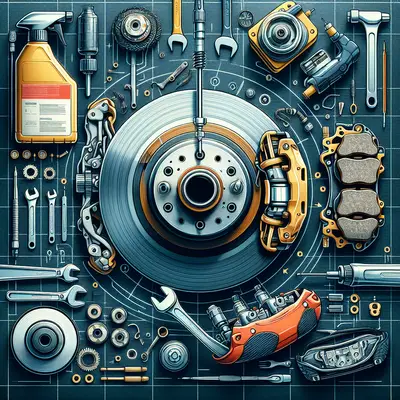
Most repair conversations begin and end with “pads and rotors,” but serious brake confidence starts with understanding the system as an integrated whole. Your pads, rotors, calipers, brake fluid, rubber hoses, hard lines, ABS module, and even wheel bearings all collaborate to deliver smooth deceleration. Neglecting any one of these elements can undermine the others, even if they are new or high-end.
A refined approach means asking your shop to discuss your brakes systemically, not just part-by-part. When reviewing an estimate, look for a narrative: why each component is being recommended, how it interacts with the rest of the system, and what the long-term impact will be. For example, installing performance pads on thin, heat-stressed rotors is a mismatch that can produce noise, vibration, and premature wear. The truly confident stop comes from harmony—materials, temperatures, hydraulic pressure, and electronic control working together as one. Once you start viewing your brakes this way, you move from “fixing a problem” to curating a consistently excellent braking experience.
Curating Materials: Matching Pads and Rotors to Your Driving Style
Brake components are like tailored clothing: the quality of the fit matters as much as the fabric. The same is true of friction materials. Ceramic, semi-metallic, and low-metallic pads all behave differently under heat, pressure, and repeated stops. Rotors can be basic cast iron, coated against corrosion, or engineered with specific venting patterns to dissipate heat more effectively.
For urban commuters seeking quiet refinement, a premium ceramic pad paired with coated rotors usually delivers an elegant, low-dust, low-noise braking character. For drivers who live in hilly areas or tow, a higher-friction semi‑metallic pad and rotors with superior heat management may be more appropriate, even if they produce a touch more noise. What matters is intentional selection, not guesswork or default “economy” options.
An informed owner will ask:
- What pad compound are you installing, and why?
- Are the rotors simply inexpensive replacements, or corrosion-resistant, OE-equivalent, or better?
- How does this combination suit my daily driving environment?
Treating pad-and-rotor selection like a curated choice, rather than an afterthought, yields a brake feel that is consistent, confidence-inspiring, and aligned with your expectations of refinement.
Fluid, Heat, and Time: The Hidden Physics Behind Pedal Feel
Brake fluid is the unsung hero of every graceful stop. It transmits the force from your foot to the calipers, but it is also hygroscopic—it absorbs moisture over time. This absorbed water lowers the fluid’s boiling point and encourages internal corrosion, both of which can subtly steal away pedal firmness and consistency long before any warning lights appear.
Exceptional brake practice elevates fluid service from “only when it looks dark” to a scheduled, proactive ritual. For many vehicles, a full brake fluid exchange every 2–3 years (or per the manufacturer’s recommendation) is the mark of an owner who refuses to wait for symptoms. The benefit is tangible: a more stable pedal feel during repeated stops, better ABS performance in emergencies, and reduced corrosion in expensive components like ABS valves and calipers.
Ask your service provider:
- Are you performing a complete fluid exchange, not just a quick bleed at one wheel?
- Are you using the manufacturer‑specified DOT rating (DOT 3, 4, 5.1, etc.)?
- Do you measure moisture content or boiling point with a tester?
By paying meticulous attention to fluid health, you preserve not only performance but also the long-term reliability of the entire system—exactly the kind of quiet, behind-the-scenes excellence discerning drivers appreciate.
Five Exclusive Insights for Owners Who Refuse to Compromise on Brake Safety
Sophisticated owners tend to value details others overlook. These five insights rarely appear in basic repair conversations, yet they significantly influence safety, comfort, and long-term cost.
1. The Test Drive Is as Important as the Torque Wrench
A proper brake repair does not end when the last bolt is tightened. It concludes after a deliberate, methodical road test. A premium test drive includes:
- Low-speed stops to check pedal height, initial bite, and noise
- Medium-speed stops to verify straight-line stability and steering-wheel feel
- Several firm stops to confirm ABS intervention is smooth and predictable
Ask your shop who performs the post-repair road test and what they’re specifically evaluating. A rushed, “around the block” loop is not enough for someone who values meticulous safety.
2. Bedding-In New Brakes Is a Performance Ritual, Not an Optional Extra
When new pads and rotors are installed, their friction surfaces must be “introduced” to each other—this is called bedding-in or burnishing. Proper bedding distributes an even layer of pad material onto the rotor surface and stabilizes friction. Done correctly, it reduces noise, helps prevent judder and vibration, and improves pedal consistency.
A refined owner asks the technician to:
- Confirm whether they performed the initial bedding procedure after installation
- Provide simple instructions for the owner’s role over the first 200–300 miles (often avoiding hard emergency-style stops unless necessary and allowing cool-down periods after medium stops)
This small discipline transforms new brakes from merely “installed” to elegantly dialed-in.
3. Brake Noise Is Data, Not Just an Annoyance
Squeals, chirps, and light grinding tones often emerge before true failure. Instead of simply asking, “Can you make it quiet?” ask, “What, specifically, is this noise telling us?” High‑pitch squeals might indicate pad vibration, lack of chamfer or proper shims, or inexpensive friction material glazing. A faint grinding sound can signal early rotor damage or that a wear indicator has been reached.
Treat noises as early signals rather than irritations to be silenced. This mindset leads to earlier interventions, smaller repairs, and fewer surprises—hallmarks of sophisticated vehicle stewardship.
4. Wheel Cleanliness and Corrosion Tell a Story
An observant owner can glean a great deal from their wheels. Excessive brake dust on just one wheel may hint at a dragging caliper or sticking slide pins. Uneven rust patterns on rotor faces—such as an untouched ring near the edge—suggest that the pad is not fully contacting the rotor, often due to seized hardware or misalignment.
A periodic, unhurried visual inspection of your wheels and rotors—ideally after a wash—can reveal issues long before they become safety-critical. It is a quietly powerful habit, requiring no tools and only an attentive eye.
5. Brake Performance Changes with Load, Weather, and Tires
Premium brake care doesn’t stop at the caliper. The way your brakes behave is inseparable from your tires, suspension, vehicle load, and even weather. Worn or budget tires can lengthen braking distances more dramatically than worn pads. Heavy cargo or frequent passengers increase the heat load on your brakes, particularly on long descents. Cold mornings, heavy rain, or snow can all reduce available traction, changing how your ABS intervenes.
A sophisticated driver mentally connects these variables. If you’ve just installed new brakes but left aging tires in place, do not expect a miracle in stopping distance. Truly premium safety means pairing quality brake work with equally thoughtful tire selection, alignment, and load management.
Reading a Brake Estimate Like a Discerning Investor
A brake repair invoice is more than a bill; it is a summary of where your system stands and how your shop thinks about your safety. Instead of scanning only the total, review the details with the same care you’d give any significant investment.
Key questions to elevate the conversation:
- Are the parts original-equipment (OE), OE‑equivalent, or value line? Why were they chosen?
- Are hardware kits, caliper slide pins, and shims being renewed, or are they reusing old components?
- Has the shop inspected brake hoses, lines, and the master cylinder, or only visible pads and rotors?
- What is the expected lifespan of these components under your driving conditions?
A refined owner is comfortable requesting a clear hierarchy of options: safest and most durable, mid-range, and strictly budget. Choosing the cheapest option is rarely the most elegant solution; instead, look for the combination that offers the best blend of safety, consistency, and long-term value.
Establishing a Personal Brake Care Standard
Every driver already has a personal standard for braking—even if it’s unspoken. The difference between “average” and “exceptional” lies in whether that standard is intentional. Rather than waiting for warning lights, grinding noises, or urgent repairs, create a personal brake care protocol.
Consider setting:
- A target interval for brake inspections (for example, with every tire rotation or at least twice a year)
- A fluid replacement schedule you adhere to regardless of visible symptoms
- A rule that any change in pedal feel, steering vibration under braking, or new noise triggers a prompt inspection, not a delayed one
Document what you learn from each service visit: which parts were installed, which brands, how the brakes felt afterwards, and how long the components lasted in your real-world driving. Over time, you build a tailored record of what truly works for your vehicle and driving style, transforming brake repair from a reactive expense into a carefully managed safety asset.
Conclusion
A poised, predictable stop is one of the most reassuring experiences a driver can have—and it never happens by accident. When you treat brake repair as a refined practice rather than a rushed necessity, you step into a different class of vehicle ownership. You begin to notice the harmony of parts, the nuance of pedal feel, the quiet signals of noise and wear, and the understated importance of fluid, load, and tires.
By approaching every repair with curiosity, insisting on clarity from your service provider, and adopting a few elevated habits—like proper bedding, proactive fluid care, and thoughtful material selection—you cultivate brakes that perform not just adequately, but impeccably. For those who value both safety and sophistication, that level of control is not a luxury. It is the standard.
Sources
- National Highway Traffic Safety Administration (NHTSA) – Brakes and Safety Systems - U.S. government guidance on brake systems and safety considerations
- Federal Motor Carrier Safety Administration – Brake System Inspection Guide - Detailed insight into professional brake inspection practices and safety checks
- University of Nebraska–Lincoln Transportation Center – Brake System Fundamentals - Educational overview of modern brake system components and operation
- StopTech (Centric) – Brake Pad and Rotor Bed-In Theory - Technical white paper on rotor “warping,” pad transfer, and proper bedding procedures
- Continental – Brake Fluid: Properties and Maintenance - Manufacturer discussion of brake fluid types, hygroscopic behavior, and service intervals
Key Takeaway
The most important thing to remember from this article is that this information can change how you think about Repair Guides.