Brakes are the quiet guardians of every refined drive—rarely celebrated, yet decisive in every moment that matters. For discerning drivers, understanding how a modern brake system behaves under real-world pressure is not about becoming a mechanic; it’s about curating a higher standard of safety, comfort, and control. This is an exploration of how today’s braking technology truly works, and how a few elevated habits can transform each stop into an act of composed precision.
The Modern Brake System, Unveiled with Precision
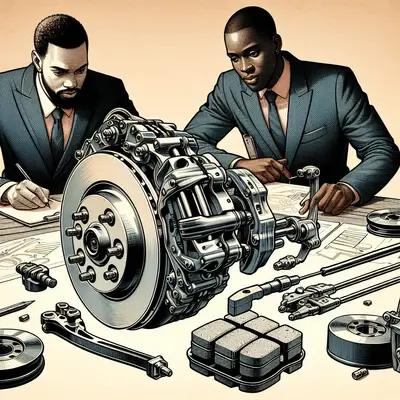
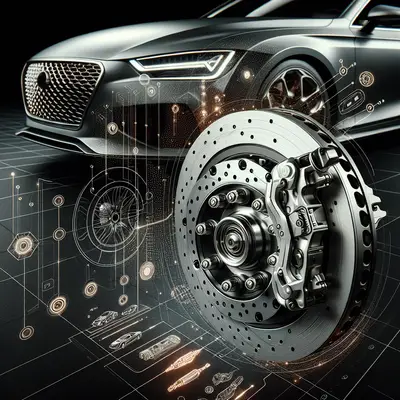
A contemporary brake system is a carefully orchestrated sequence of mechanical, hydraulic, and electronic events. When you press the pedal, a brake booster multiplies your input, a master cylinder converts that pressure into hydraulic force, and brake fluid delivers it to calipers that clamp pads against rotors. Anti-lock braking (ABS) and stability systems quietly monitor wheel speed, steering angle, and yaw, modulating pressure in milliseconds to maintain grip.
What appears to be a simple pedal press is, in truth, a coordinated exchange of energy: kinetic energy transformed into heat, managed by rotor design, pad material, and airflow. Premium braking performance is less about raw stopping power and more about consistency—how reliably that system behaves from the first stop of the morning to a hard stop on a long descent. Understanding this framework is the foundation for the five exclusive insights that follow.
Exclusive Insight #1: Brake Feel Is a Language—Learn to “Read” It
To a discerning driver, brake feel is not a vague impression; it is a language of feedback. The pedal’s initial response, its firmness under sustained pressure, and the way it returns when you release all reveal the health of the system.
A firm pedal that engages predictably near the top of its travel suggests a well-bled, properly maintained system. A pedal that gradually sinks under steady pressure can point to internal leaks or master cylinder wear. A slightly spongy sensation often indicates moisture or air in the brake lines, subtly reducing hydraulic efficiency. Even the sound of the brakes—the presence or absence of a faint, momentary squeal during light stops—can signal pad compound characteristics or glazing.
Treat every drive as an ongoing conversation with your brakes. Subtle deviations in feel, sound, or response time are early indicators of issues long before warning lights appear. A driver who listens to that language can schedule service proactively, instead of reacting to urgent failures.
Exclusive Insight #2: Heat Management Is the Hidden Currency of Safety
Stopping is not simply about friction; it is about how well your brake system manages heat. Every strong stop converts vehicle momentum into thermal energy, stored momentarily in brake pads and rotors. When that heat overwhelms the system, “brake fade” appears—the pedal feels normal, but stopping distances quietly grow longer.
Vented rotors, high-performance pad formulations, and well-designed calipers exist largely to control this invisible heat exchange. Even for everyday driving, repeated stops down a long hill, towing a trailer, or navigating city traffic on a hot day can push brakes toward their thermal limits. A refined driver adjusts strategy, not just speed: using lower gears on descents to let the engine assist in slowing, allowing short intervals between heavy stops for cooling, and avoiding prolonged brake “riding,” which bakes heat into the system.
This discreet attention to heat is one of the hallmarks of sophisticated driving. It preserves both safety and component life, ensuring the brakes feel as composed on the last stop of your journey as they did on the first.
Exclusive Insight #3: Brake Fluid Quality Is a Silent Performance Variable
Brake fluid is often overlooked, yet it is the lifeblood of the hydraulic system. Most modern fluids are hygroscopic—they absorb moisture over time, even through microscopic permeation in hoses and seals. That absorbed water lowers the fluid’s boiling point, which becomes hazardous under hard braking, when fluid temperatures can rise dramatically.
When brake fluid begins to boil, vapor bubbles form in the lines. Unlike fluid, vapor compresses, producing a soft or sinking pedal and a disturbing loss of braking force exactly when you need it most, such as during repeated highway stops or a steep descent.
A refined maintenance standard includes regular fluid replacement, typically every 2–3 years or sooner for vehicles driven in demanding conditions. The result is not merely technical correctness; it is a more consistent pedal feel, more predictable ABS engagement, and fewer surprises during emergency stops. Treating brake fluid as a critical performance component, rather than a static commodity, elevates safety to a higher tier.
Exclusive Insight #4: Electronic Aids Are Partners, Not Replacements
Modern brake systems are now deeply integrated with driver-assistance technologies: ABS, electronic brake-force distribution (EBD), brake assist, traction control, stability control, and, increasingly, automatic emergency braking (AEB). These systems measure, calculate, and react faster than any human—but they do not change the laws of physics.
ABS prevents wheels from locking, allowing you to steer while braking hard. EBD shifts braking effort between front and rear axles for balance. Stability control trims individual wheels to maintain your intended path. AEB may intervene if it senses a collision imminent. Yet all of this operates within the constraints of tire grip, road surface, and weight transfer. On worn tires or wet or icy pavements, stopping distance can still be significantly longer, no matter how advanced the electronics.
The sophisticated driver views these aids as safety net and partner, not a guarantee. Maintaining premium tires, proper inflation, correct alignment, and a conservative following distance remains essential. It is the harmony between the mechanical, electronic, and human elements that creates truly elevated brake safety.
Exclusive Insight #5: Brake Balance Is as Important as Brake Power
Many drivers focus on how strongly their car can stop in a straight line. Equally critical—and often overlooked—is how gracefully it can manage weight transfer and cornering under braking. This is where brake balance becomes central.
Under braking, weight shifts forward, increasing front tire grip and decreasing rear grip. Brake bias is designed around this physics reality, with front brakes typically doing more work. However, worn rear pads, damaged components, or uneven rotor conditions can upset that balance, leading to nose-dive, instability, or premature ABS activation. A well-balanced brake system feels composed: the car remains settled under firm braking, the steering stays precise, and the rear of the vehicle feels anchored rather than light or nervous.
Attentive owners notice clues to imbalance: steering pull when braking, the vehicle “twitching” at highway speeds during a stop, or brake dust that is heavy on one axle and minimal on the other. Insisting on full-axle inspections and properly matched components—not just quick pad replacements—is an understated yet powerful way to preserve the car’s inherent balance and grace.
Conclusion
A modern brake system is a masterpiece of applied physics and quiet engineering, yet its true value is only realized when the driver engages with it thoughtfully. By learning to interpret brake feel, respecting heat management, prioritizing fluid quality, understanding electronic assistance, and insisting on correct brake balance, you create a finer standard of safety than warning lights and routine services alone can provide.
At its best, brake care is not about anxiety; it is about assurance. With a more sophisticated understanding of what happens beneath the pedal, every stop becomes not just a necessary act, but a deliberate, confident expression of control—grace under pressure, in its purest automotive form.
Sources
- [National Highway Traffic Safety Administration (NHTSA) – Brakes and Stopping](https://www.nhtsa.gov/equipment/brakes) - U.S. government guidance on brake systems, performance, and safety considerations
- [Federal Motor Vehicle Safety Standards – Standard No. 135: Light Vehicle Brake Systems](https://www.ecfr.gov/current/title-49/subtitle-B/chapter-V/part-571/section-571.135) - Regulatory framework detailing performance requirements for modern brake systems
- [SAE International – Brake System Fundamentals](https://www.sae.org/publications/books/content/r-414/) - Technical reference on brake design, heat management, and modern system integration
- [Continental Automotive – Brake Systems and Safety Technologies](https://www.continental-automotive.com/en/solutions/safety-management/brake-systems) - Manufacturer overview of advanced brake controls, ABS, and stability systems
- [University of Nebraska–Lincoln – Brake Fluid and Brake System Maintenance](https://extensionpublications.unl.edu/assets/html/g1971/build/g1971.htm) - Educational resource on brake fluid behavior, moisture absorption, and service intervals
Key Takeaway
The most important thing to remember from this article is that this information can change how you think about Brake Systems.