Brake maintenance is often spoken about in terms of urgency—squeals, grinding, and warning lights. But refined drivers know that true safety lives in what happens before anything sounds or flashes. Thoughtful, proactive brake care is less about panic repairs and more about cultivating a quiet, predictable consistency every time you touch the pedal. This is where precision, restraint, and attention to detail converge into an everyday form of automotive craftsmanship.
In this guide, we’ll move beyond the usual “replace pads, check fluid” advice and explore subtle, high-value practices that preserve not just stopping distance, but composure, control, and confidence. These five exclusive insights are designed for owners who view their braking system not as a disposable component, but as an investment in safety and driving refinement.
Seeing Brakes as a System, Not a Single Part
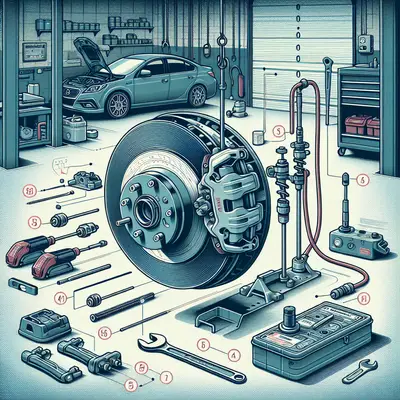
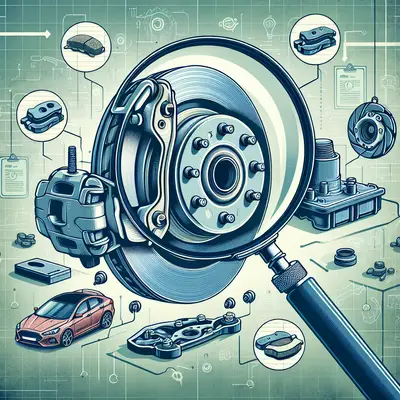
Many owners think “brakes” and picture a pad and a rotor. In reality, your braking experience is the outcome of a complete ecosystem: pads, rotors, calipers, brake fluid, hoses, ABS module, master cylinder, even tires and suspension geometry. Treating maintenance as pad replacement alone risks chasing symptoms rather than preventing them.
A refined maintenance mindset starts by understanding how these parts communicate under pressure. The master cylinder converts pedal force into hydraulic pressure; hoses and lines transmit that pressure; calipers translate it into clamping force; pads convert kinetic energy into heat; rotors absorb and disperse that heat. If any link in this chain is neglected—say, aged rubber hoses or a sticking slide pin—the entire system suffers, often subtly at first.
During routine service, ask your shop how they evaluate the whole system. Do they measure rotor thickness and runout, inspect caliper movement, and visually assess hoses for swelling or cracking? Do they look for uneven pad wear that hints at a deeper issue? A premium brake maintenance regime always checks relationships between components, not just the condition of a single part.
Exclusive Insight #1: Treat Brake Feel as Diagnostic Data
Most drivers only notice “brake feel” when something is wrong. Discerning drivers treat pedal feedback as a continuous diagnostic language. The way your pedal responds—its resistance, travel, and consistency over time—is often the earliest clue that something is changing long before a warning light appears.
A pedal that feels gradually softer or “longer” (requiring more travel before engaging firmly) can point to aging brake fluid, micro air intrusion, or early master cylinder wear. A pedal that feels firmer than usual might suggest swelling hoses, seized caliper pins, or pad compounds that have hardened with age and heat cycles. Even a subtle pulsing under steady pressure can indicate rotor thickness variation or deposits—not necessarily warped rotors, but uneven friction on the rotor surface.
Cultivate the habit of noticing brake feel in consistent environments: a familiar stretch of road, similar speeds, similar temperatures. Make mental notes when anything deviates from the norm, even slightly. Sharing these observations with a skilled technician allows them to target inspections with surgical precision, often catching issues before they become expensive or hazardous.
Exclusive Insight #2: Heat Management as a Long-Term Safety Strategy
Every stop is a controlled trade of motion for heat. Over time, chronic heat stress quietly erodes brake performance, leading to fade, glazing, and premature component fatigue. Many maintenance plans overlook heat management entirely, yet it is one of the most effective levers a careful owner can pull.
Start with driving technique. Avoid habitual hard, late braking; instead, brake earlier with progressive, firm pressure. This reduces peak temperatures and gives components time to manage heat more gracefully. If you live in mountainous regions or frequently tow, consider downshifting to use engine braking on long descents. This practice preserves not only the pads and rotors, but also the integrity of brake fluid, which degrades faster when consistently overheated.
On the hardware side, premium-quality rotors and pads engineered for your driving profile can dramatically influence thermal behavior. Slotted or vented rotors, when properly matched to the vehicle and use case, can enhance cooling and gas evacuation. However, more aggressive components are not automatically better; the aim is not “sporty” marketing, but consistent, repeatable performance at realistic street temperatures. A thoughtful conversation with a knowledgeable technician about your environment, driving style, and vehicle weight can produce a setup that reduces heat stress quietly, every day.
Exclusive Insight #3: Brake Fluid as a Precision Component, Not an Afterthought
Brake fluid is one of the most undervalued elements in the system, even though it is directly responsible for transmitting your intent to stop. Over time, conventional glycol-based fluids (DOT 3, DOT 4, DOT 5.1) absorb moisture from the air, gradually lowering their boiling point and increasing internal corrosion risk. Many drivers never replace fluid until there is a problem—even though the degradation is slow and often invisible.
Treat brake fluid like an instrument-grade hydraulic medium. Regular replacement (often every 2–3 years, or as recommended by the manufacturer and adapted to your climate) preserves both pedal feel and system reliability. In humid or coastal regions, shorter intervals are prudent. For heavier vehicles or those used for spirited driving, a high-quality DOT 4 fluid with superior high-temperature characteristics—compatible with your system—can maintain consistent performance under stress.
Ask your shop if they measure brake fluid moisture content or boiling point, rather than relying solely on time or mileage. A simple test can reveal whether your fluid is still operating in its optimal range. During a fluid service, insist on a thorough flush, not just a partial top-up. It is a relatively modest investment that protects expensive downstream components: ABS pumps, calipers, and the master cylinder itself.
Exclusive Insight #4: The Subtle Art of Cleanliness and Lubrication
Premium brake service is defined as much by what you don’t see as what you do. Cleanliness and precise lubrication are often the difference between brakes that work and brakes that work beautifully over time. Unfortunately, rushed or budget-focused services often neglect this invisible craftsmanship.
Each sliding point in a brake system—from caliper guide pins to pad backing plates—requires the correct high-temperature lubricant, applied sparingly and only where specified. Excess grease can migrate onto friction surfaces, compromising braking; too little, and you invite uneven wear and sticking components. Anti-seize on hub faces, carefully applied, can prevent rotors from fusing to the hub over years of heat and corrosion, simplifying future service and preserving proper rotor seating.
Equally important is surface preparation. Removing rust scale from the hub, cleaning pad abutment surfaces, and verifying that pads move freely in their brackets all contribute to even clamping and consistent braking. Even the way a rotor is cleaned before installation—free of oils and residues—affects bedding-in and pad-rotor interaction. When evaluating a shop, ask explicitly about their cleaning and lubrication procedures. Their answers will tell you whether they view brake service as a commodity or a craft.
Exclusive Insight #5: Aligning Tires, Suspension, and Brakes for Composed Stops
Brakes do not work in isolation; they share responsibility with tires and suspension to keep your vehicle stable under deceleration. Overlooked suspension wear and mismatched or neglected tires can cause a brake system that is mechanically sound to feel inconsistent, nervous, or even unsafe.
Uneven tire wear can disguise or exaggerate brake issues. A vehicle that pulls to one side under braking might be suffering from a sticky caliper—or from an alignment problem, tired bushings, or drastically different tire tread depths from left to right. Likewise, worn shocks or struts may allow excessive weight transfer under hard braking, lengthening stopping distances and compromising control on imperfect surfaces.
An elevated maintenance approach pairs brake inspections with regular checks of alignment, tire condition, and suspension health. When you notice changes under braking—pulling, nose-diving, or instability over bumps—consider the whole chassis, not just the pads and rotors. The most refined braking experience is the result of a well-matched trio: competent brakes, properly maintained tires, and a stable, controlled suspension.
Conclusion
Exceptional brake maintenance is not a single action but a philosophy—a decision to treat every stop as the quiet outcome of thoughtful choices made long before you pressed the pedal. By listening to brake feel, managing heat, elevating brake fluid to its rightful importance, insisting on meticulous cleanliness, and harmonizing brakes with tires and suspension, you move beyond reactive repairs and into a realm of calm, predictable control.
For the discerning driver, this is not about over-servicing or chasing perfectionism; it is about intentional, intelligent care that respects both the physics and the craftsmanship of modern braking systems. The reward is subtle yet unmistakable: a vehicle that responds with composure, precision, and confidence, every time you ask it to slow down.
Sources
- [National Highway Traffic Safety Administration (NHTSA) – Brake Safety](https://www.nhtsa.gov/equipment/brakes) – Overview of brake system safety considerations and regulatory guidance
- [U.S. Department of Transportation – Brake System Fundamentals (FMVSS Overview)](https://www.transportation.gov/regulations) – Context on federal standards and performance expectations for braking systems
- [University of Nebraska–Lincoln – Fundamentals of Vehicle Dynamics and Braking](https://digitalcommons.unl.edu/cgi/viewcontent.cgi?article=1018&context=caluniv) – Technical background on braking forces, heat, and vehicle control
- [BMW Group – Technical Information on Brake Fluids](https://www.bmwgroup.com/en/innovation/technologies-and-mobility/brake-fluid.html) – Detailed discussion of brake fluid characteristics, boiling points, and maintenance impact
- [Tire Rack – How Tires, Alignment, and Suspension Affect Braking](https://www.tirerack.com/tires/tiretech/techpage.jsp?techid=44) – Explanation of how non-brake components influence stopping distance and stability
Key Takeaway
The most important thing to remember from this article is that this information can change how you think about Maintenance.