For the driver who expects more than mere adequacy from their vehicle, the brake system is not just a safety feature—it is the defining element of control, confidence, and composure on the road. Understanding how your brakes truly work, and how subtle choices affect their performance, is what elevates you from a cautious driver to a discerning one. This is not about panic stops; it is about predictable, repeatable excellence every time your foot approaches the pedal.
Below, you’ll find an elegant, in-depth look at today’s brake systems—followed by five exclusive insights that safety‑conscious owners rarely hear at the dealership, but absolutely should.
The Modern Brake System, Curated: What’s Really Happening Underfoot
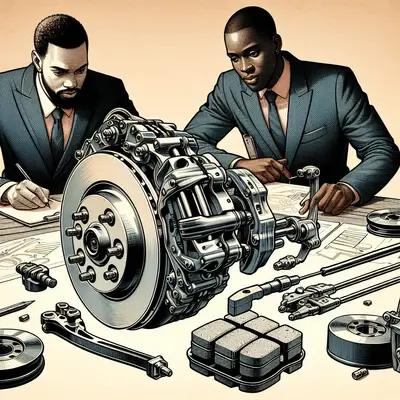
At its core, a modern hydraulic brake system converts your leg’s input into precise clamping force at each wheel. When you press the pedal, a pushrod moves the master cylinder piston, building hydraulic pressure in brake lines filled with fluid. This pressure then drives caliper pistons, pressing pads against the spinning rotor and converting kinetic energy into heat via friction. It is a deceptively simple concept executed by a complex orchestra of components.
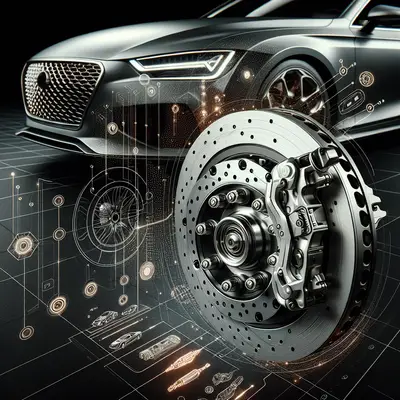
Today’s systems are further refined by electronic control units (ECUs) that monitor wheel speed, steering angle, and pedal input. Anti-lock braking systems (ABS) cyclically modulate pressure to prevent wheel lock-up. Electronic brake-force distribution (EBD) can alter front/rear balance for stability, while brake assist systems detect emergency braking and increase pressure even if your foot is hesitant. On performance and luxury vehicles, multi-piston calipers, larger rotors, and high-friction pad compounds are tuned for not just stopping distance, but pedal feel and heat management.
The result, when everything is functioning as designed, is an impression of effortlessness: firm, predictable pedal response, linear deceleration, and confidence in both dry and wet conditions. When that impression begins to erode—longer pedal travel, faint vibration, a subtle squeal—your brake system is quietly telling you that refinement is slipping, and safety will be next if the signals are ignored.
Materials, Temperatures, and the “Character” of Your Brakes
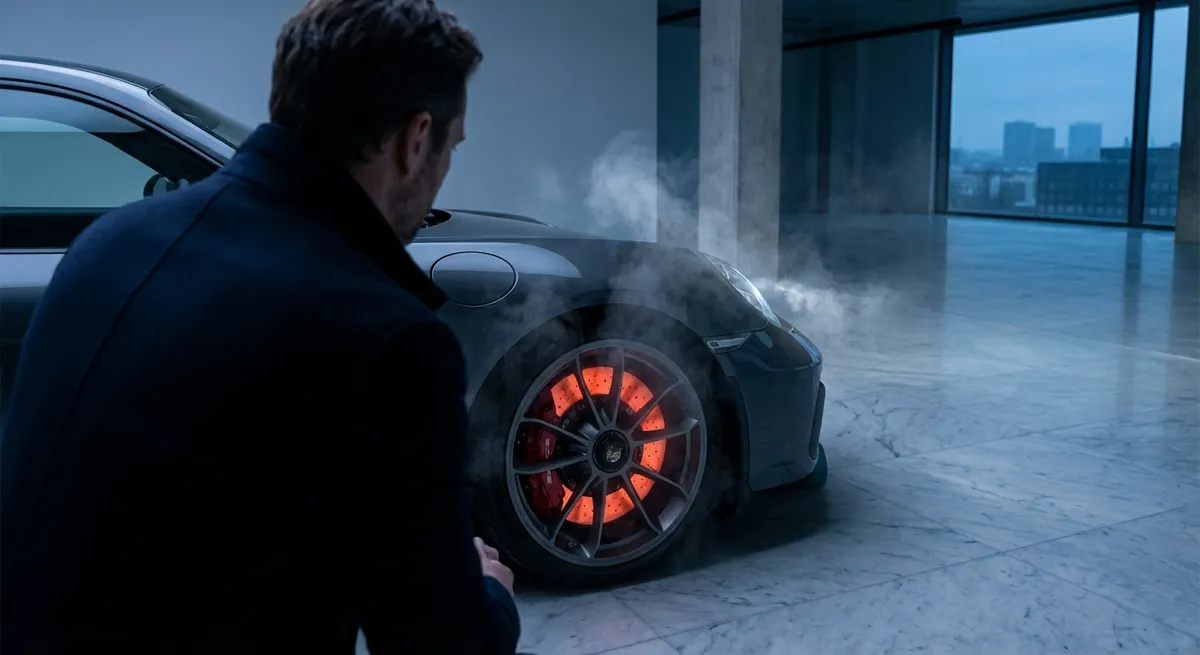
The true character of a brake system lies in its materials and its relationship with heat. Every stop converts motion into thermal energy—sometimes hundreds of degrees Celsius at the rotor surface. How pads, rotors, fluid, and hardware handle those temperatures dictates everything from noise to fade resistance.
Brake pads are not generic “brake material.” They are carefully blended compounds—ceramic, semi-metallic, or organic—each with a different friction profile and temperature window. Ceramic pads tend to be quieter and cleaner, suited to refined daily driving. Semi-metallic formulations tolerate higher temperatures and are typically favored for more spirited or heavy-duty use, sometimes at the expense of noise and dust. Rotors, for their part, must dissipate this heat efficiently. Vented rotors, high-carbon blends, or drilled and slotted designs (when correctly engineered, not purely cosmetic) all influence cooling and feel.
Brake fluid is equally critical but often overlooked. It is hygroscopic, meaning it gradually absorbs moisture from the air. As its water content rises, its boiling point falls. Under heavy braking, fluid can boil and create compressible vapor in the lines, leading to a soft or sinking pedal—classic “brake fade” from the fluid side, rather than the pad/rotor interface. Premium ownership means respecting these thermal limits and refreshing fluid before it becomes a liability.
To a refined driver, these are not abstract technicalities; they are the foundation of predictable, repeatable braking performance—particularly when the unexpected happens.
Exclusive Insight #1: Pedal Feel Is a Precision Instrument, Not a Vague Impression
Most drivers only act when something feels obviously wrong. The safety‑conscious owner treats pedal feel like a precision gauge—one that offers early warnings weeks or months before true failure.
Subtle changes carry meaning:
- A slightly longer initial pedal travel can indicate pad wear, slight air intrusion, or marginal fluid.
- A gradually softening pedal often points to aging fluid or minor leaks long before visible drips appear.
- A pedal that firms up after pumping suggests compressible gas or a small hydraulic issue rather than an immediate mechanical failure.
Make it a habit to “benchmark” your pedal at least once a week, ideally on the same stretch of safe, straight road. Notice how early the brakes bite, how progressively the force builds, and whether the pedal remains consistent between cold starts and after sustained driving. Recording your impressions mentally—and acting when something is “just a bit off”—is one of the most refined forms of preventive brake care. Your technician will have more to work with, and you’ll address issues at the stage where repairs are precise and controlled, not rushed and reactive.
Exclusive Insight #2: Brake Balance Matters as Much as Raw Stopping Power
Many owners focus on how quickly the car can stop in a straight line, but brake sophistication is as much about balance as it is about distance. Poor brake balance can unsettle the vehicle under hard braking, especially when turning, and can increase stopping distances even if individual components seem “strong.”
Imbalances show up subtly:
- The vehicle pulling slightly to one side under braking can signal a sticking caliper, uneven pad wear, or different friction characteristics from side to side.
- Nose‑dive that feels more pronounced than before can suggest rear brakes underperforming, forcing the front to work disproportionately harder.
- Uneven rotor coloration or pad wear patterns indicate that not all corners are contributing equally.
Refined brake maintenance means insisting on a complete system view, not just a “pad slap” at a single axle. When replacing pads or rotors, consider doing an entire axle set, using matched components with consistent friction profiles. If your vehicle uses electronic brake distribution or stability control, ensure your shop has the proper diagnostic tools to perform system calibrations after major brake work. Perfectly balanced braking is not just a comfort—it is a quiet expansion of the safety margin when you need it most.
Exclusive Insight #3: Heat Management Is the Hidden Currency of Brake Longevity
Every impressive stop is a negotiation with heat. For drivers who value both safety and refinement, the aim is not only to stop decisively but to do so in a way that preserves the system’s thermal health.
Several practices significantly improve heat management:
- Allowing a brief “cooling window” on long descents (using engine braking where appropriate) reduces rotor and pad temperatures and prevents glaze or hot spots.
- Avoiding prolonged “brake dragging” in traffic—resting your foot lightly on the pedal—minimizes unnecessary heat and uneven pad deposits on rotors.
- After a high-energy stop (for example, an emergency stop from highway speeds), gently rolling the vehicle a few feet afterward can prevent the hot pad from imprinting material onto a single hot area of the rotor while stationary.
On vehicles driven with vigor, consider discussing higher-performance pad compounds and rotors designed for better heat dissipation with a specialist shop. Even in daily driving, thoughtful heat management keeps pedal feel consistent, preserves rotor integrity, and maintains a wider safety envelope on days when you need multiple hard stops in close succession—on a mountain descent, for example, or during an evasive maneuver in busy traffic.
Exclusive Insight #4: Brake Fluid Quality Is a Time‑Sensitive Safety Asset
Brake fluid is one of the most critical, yet most neglected, elements of a premium‑performing brake system. While it may appear unchanged year to year, internally it is continually absorbing moisture via hoses, seals, and reservoir vents. This slow, invisible process degrades your fluid’s boiling point and corrodes internal components.
Sophisticated ownership means treating brake fluid with the same seriousness as engine oil, but on a slightly longer horizon. Rather than waiting for symptoms, consider periodic fluid replacement based on time and driving conditions—often in the range of every two to three years for typical usage, or more frequently for vehicles that experience heavy braking, high humidity, or performance driving. When possible, verify that the shop uses fluid that meets or exceeds the DOT specification for your vehicle, and that they properly bleed the system to remove air and old fluid from all calipers and the ABS module.
For the truly meticulous, some specialty shops can test your brake fluid’s boiling point or water content, offering an objective measure instead of guesswork. Replacing fluid before it becomes marginal ensures the brake pedal remains firm and responsive under stress, precisely when you can least afford inconsistency.
Exclusive Insight #5: Quiet Brakes Are Often a Reflection of Correct Installation, Not Just “Good Parts”
Many drivers equate squeal or low-speed noise with cheap pads alone. In reality, even premium components can be noisy if installed without proper surface preparation, lubrication, or bedding-in procedures. A quiet, composed brake system is typically the result of disciplined attention to detail.
Key, often-missed refinements include:
- Thoroughly cleaning and de-rusting caliper bracket slides and pad abutment surfaces so the pads can move freely and retract cleanly.
- Applying high-temperature brake lubricant at contact points where the pad backing meets the caliper hardware (never on friction surfaces) to reduce vibration and binding.
- Correctly torquing caliper mounting bolts and wheel lug nuts to spec, preventing distortions that can lead to pulsation or uneven rotor wear.
- Performing a proper bed‑in (or “burnishing”) procedure for new pads and rotors, which gradually transfers an even layer of pad material onto the rotor. This step is critical for optimal friction and reduced noise but is frequently rushed or skipped entirely.
When done well, the result is a braking experience that feels almost luxurious—immediate, silent, and without shudder. That quiet precision is more than a comfort; it is an indicator that your system is operating in harmony, with every component able to perform its role under both everyday and emergency conditions.
Conclusion
An exceptional brake system is never the product of a single component or one hurried service visit. It is the sum of small, disciplined decisions: respecting heat, listening to pedal feel, preserving brake balance, maintaining fluid quality, and insisting on meticulous installation practices. For the safety‑conscious, refined driver, these are not indulgences—they are tangible ways to claim back control over the one system that stands between momentum and disaster.
Braking without compromise means you do more than stop the car; you orchestrate each deceleration with confidence, comfort, and an unwavering margin of safety. That is the quiet luxury of a brake system maintained to a higher standard.
Sources
- [NHTSA – Brakes and Brake Systems](https://www.nhtsa.gov/equipment/brakes) – U.S. government overview of brake system components and safety considerations
- [AAA – Recognizing the Warning Signs of Brake Problems](https://newsroom.aaa.com/2018/08/aaa-brake-warning-signs/) – Practical guidance on how brake issues present in everyday driving
- [Continental – How ABS, ESC and Brake Assist Work Together](https://www.continental-automotive.com/en/systems/safety-management) – Technical insight into modern electronic brake and stability control systems
- [StopTech Engineering – Brake Fluid 101](https://www.stoptech.com/technical-support/technical-white-papers/brake-fluid) – In-depth explanation of brake fluid types, boiling points, and maintenance implications
- [SAE International – Brake System Design and Performance](https://www.sae.org/news/2019/04/brake-system-design) – Industry-level discussion of modern brake system design and thermal performance considerations
Key Takeaway
The most important thing to remember from this article is that this information can change how you think about Brake Systems.