Even the most powerful vehicle is only as sophisticated as its ability to stop. For drivers who care about refinement, safety is never an afterthought; it is the quiet foundation beneath every composed maneuver, every confident glide through traffic, and every controlled stop at the end of a spirited drive. A truly premium driving experience doesn’t just come from horsepower and design—it is curated, in no small part, by the integrity of the brake system and the owner’s understanding of it.
This article explores brake systems from a perspective that values precision and subtlety, and it concludes with five exclusive insights that discerning car owners can use to elevate their safety practices beyond the ordinary checklist.
The Architecture of Modern Brake Systems
A modern brake system is a meticulously coordinated network of mechanical leverage, hydraulic pressure, thermal management, and digital intelligence. At its core is the brake pedal, which does far more than simply “stop the car.” Your foot initiates a series of transformations: mechanical force on the pedal is amplified by the brake booster, translated into hydraulic pressure within the master cylinder, and distributed through precisely engineered brake lines and hoses.
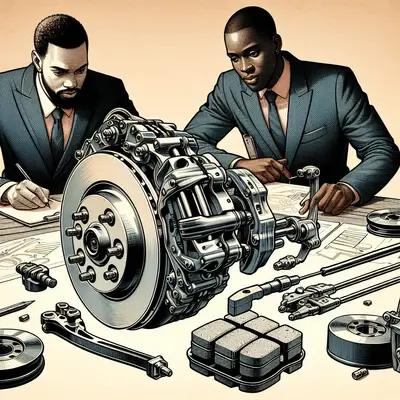
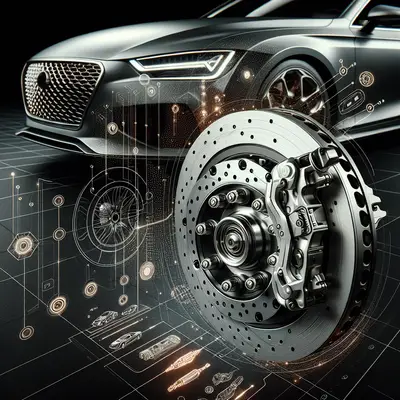
At each wheel, calipers convert that hydraulic pressure into clamping force on brake pads, which then grip the spinning rotor (or drum in some rear configurations). The process appears simple—pressure, friction, heat—but the tolerances are extraordinarily fine. Rotors must remain true and balanced; pad compounds must maintain friction over wide temperature ranges; fluid must resist boiling in demanding conditions while also resisting moisture absorption over time.
Layered atop this are electronic systems: Anti-lock Braking Systems (ABS), Electronic Brake-force Distribution (EBD), and stability control systems monitor sensors hundreds of times per second to apportion braking intelligently. For the refined driver, understanding this architecture transforms routine maintenance from a chore into an informed stewardship of a critical safety system.
Materials, Heat, and the Quiet Science of Friction
Braking is fundamentally the artful conversion of kinetic energy into heat, and the materials chosen for pads and rotors determine how gracefully that transformation occurs. Original Equipment (OE) brake pads are typically engineered for a quietly balanced compromise: low noise, consistent performance, reasonable dust, and durability. Aftermarket options, however, vary dramatically in compound and quality, from budget organic formulations to premium ceramic or semi-metallic blends optimized for specific driving profiles.
Rotors carry an equally important burden. Their mass, metallurgy, and venting patterns determine how quickly heat is absorbed, distributed, and shed. Inferior rotors can glaze, warp under repeated heavy braking, or develop hotspots that compromise both performance and steering feel. This is why high-quality rotors often feature precise machining, strict thickness tolerances, and advanced vent designs.
For the driver who appreciates refinement, it is not enough that the car stops; it must stop consistently, quietly, and predictably, without vibrations, harshness, or fading performance when the brakes are challenged by hills, high-speed stops, or heavy loads. That perception of smooth, controlled deceleration is a direct reflection of the materials and engineering in your brake system.
Hidden Vulnerabilities: Lines, Hoses, and Fluid Integrity
While pads and rotors often get the headlines, the true heartbeat of braking lies in the less glamorous components: brake lines, hoses, and fluid. These are often overlooked precisely because they are less visible, yet they are central to the system’s reliability and feel.
Brake fluid is hygroscopic—it gradually absorbs moisture from the atmosphere. Over time, this lowers its boiling point and can introduce internal corrosion within calipers, lines, and the master cylinder. Under demanding braking, moisture-contaminated fluid can partially vaporize, leading to a soft or sinking pedal and, in extreme cases, loss of braking force. This is why nearly all manufacturers and safety organizations recommend changing brake fluid on a time interval, not merely mileage.
Brake hoses are another subtle point of vulnerability. Rubber hoses can swell internally or crack externally, while metal lines can corrode stealthily, especially in regions where road salt is common. Very slight internal degradation can change pedal feel—introducing sponginess or inconsistency—long before total failure occurs. A sophisticated maintenance approach includes periodic visual inspections and, where appropriate, proactive replacement of aged hoses and lines, not just reactive repairs.
Intelligent Electronics: ABS, Stability Control, and Beyond
Today’s brake systems are inseparable from the broader suite of vehicle safety electronics. ABS prevents wheels from locking under heavy braking, allowing the driver to maintain steering control; electronic stability control applies individual brakes to help correct skids; and advanced driver-assistance systems (ADAS) can initiate braking autonomously under certain conditions.
Each of these systems relies on sensors—wheel-speed sensors, yaw sensors, steering-angle sensors—and a network of control modules. A single corroded sensor connector or a damaged tone ring can impair the system’s ability to intervene effectively. Warning lights on the dashboard, especially ABS or stability control indicators, should never be treated as cosmetic nuisances; they are an explicit signal that the vehicle’s stopping and stability capabilities may be compromised.
For the attentive owner, a premium approach means treating every warning light involving brakes or stability as a priority, ensuring that diagnostics are performed with appropriate scan tools and that repairs follow manufacturer-approved procedures. Sophistication here is measured by how swiftly and systematically these issues are addressed.
Five Exclusive Insights for Exceptionally Brake-Conscious Owners
For drivers who consider safety and refinement inseparable, these five less-discussed insights can meaningfully elevate your brake stewardship:
1. Pedal Feel Is a Diagnostic Language—Learn to “Read” It
Subtle changes in pedal behavior often reveal emerging issues long before they become urgent. A pedal that gradually becomes softer, travels farther before engaging, or feels inconsistently firm from stop to stop may signal air in the system, fluid degradation, or caliper issues.
Cultivate a mental “baseline” for how your pedal feels in everyday driving. Notice how it behaves in stop-and-go traffic, during a hard emergency-style stop on an empty road (performed safely), and after a long downhill descent. When that baseline shifts, you gain an early diagnostic advantage—often weeks or months before a visible symptom emerges.
2. Brake Performance Can Degrade Even When Pads Look “Fine”
Many owners glance through the wheel spokes, see pad material remaining, and assume all is well. In reality, performance can degrade for reasons unrelated to pure thickness: pad glazing from repeated light braking, uneven rotor deposits, heat spots, or contaminated friction surfaces can all reduce friction and increase stopping distances.
If your vehicle’s stopping distance feels longer, or the car no longer decelerates with the same poised immediacy even though the pads are not near minimum thickness, a more nuanced inspection is warranted. Premium maintenance focuses on performance, not just remaining material.
3. Your Driving Style Can Mask Problems—or Expose Them Early
Gentle, anticipatory driving is the hallmark of a refined driver, and it does extend brake life. However, a consistently gentle style can sometimes delay your awareness of weaknesses that only appear during high-demand stops. Conversely, a single controlled, hard stop (performed safely in a clear, straight, dry environment) can reveal pulsation, fade, or instability that may otherwise go unnoticed.
A sophisticated owner occasionally evaluates the system with a deliberate, firm stop—treating it almost like a functional test of the car’s emergency capability. The goal is not abuse but confirmation: when you truly need maximum braking, your system should already have proven itself.
4. Tire Quality and Brake Performance Are Inseparable
Brake systems create stopping potential; tires translate it to the road. Even a flawlessly maintained brake system cannot overcome the limitations of worn, low-grip, or seasonally inappropriate tires. ABS and stability control can only work with the friction the tires provide.
A truly premium approach to brake safety always considers tire condition, compound, and age in parallel with brake hardware. The car that wears well-maintained brakes paired with high-quality, properly inflated, season-appropriate tires will stop shorter, track straighter, and inspire more confidence than one that focuses on brakes alone.
5. Time-Based Service Intervals Matter More Than Many Owners Realize
Many conscientious owners track mileage for oil changes and major services but underestimate how powerfully time affects brake-system health. Moisture in fluid, rubber aging in hoses and seals, and corrosion on metal components progress even when a vehicle is driven sparingly.
Following manufacturer-recommended time intervals—particularly for brake fluid replacement and periodic system inspections—is a signature of elevated ownership. It acknowledges that safety is not merely about how far you drive, but how long critical components have been exposed to the elements and to time itself.
Conclusion
A refined relationship with your vehicle extends beyond admiration of its design and performance; it includes an informed respect for the systems that protect you when things go wrong. Brake systems are not merely utilitarian—they are intricate, finely tuned ensembles of materials, hydraulics, and electronics, all working in concert to deliver the calm, confident stops that define a truly premium driving experience.
By understanding the deeper architecture of your brakes, recognizing the quiet role of fluid, lines, and sensors, and embracing the five insights above, you transform routine brake care into a deliberate, safety-focused ritual. The result is not just shorter stopping distances, but a more composed, more confident drive—every time you press the pedal.
Sources
- [National Highway Traffic Safety Administration (NHTSA) – Brake Safety Information](https://www.nhtsa.gov/equipment/brakes) – Federal guidance on brake safety, defect investigations, and equipment standards
- [U.S. Department of Transportation – Brake Systems Overview (FMVSS)](https://www.transportation.gov/mission/safety/federal-motor-vehicle-safety-standards) – Regulatory framework and standards governing vehicle brake performance in the U.S.
- [AAA – Braking System Basics and Maintenance Recommendations](https://exchange.aaa.com/automotive/automotive-testing-and-research/braking-system/) – Consumer-focused explanations of brake components, common issues, and maintenance advice
- [University of Nebraska–Lincoln – Brake System Fundamentals (Extension Resource)](https://extensionpublications.unl.edu/assets/pdf/g1772.pdf) – Educational overview of brake system operation, hydraulics, and component functions
- [Continental Automotive – ABS and Stability Control Technical Information](https://www.continental-automotive.com/en-us/Passenger-Cars/Brake-Systems/ABS-EBS-ESC) – Technical insight into modern ABS and electronic stability systems from a major OEM supplier
Key Takeaway
The most important thing to remember from this article is that this information can change how you think about Brake Systems.