For the driver who values composure over drama, true confidence at the pedal is never left to chance. It is cultivated—quietly, methodically, and with an appreciation for the way small details in brake maintenance shape every mile. This is not about learning to wrench on every component yourself; it is about understanding the refined cues, subtle rituals, and elevated standards that keep your vehicle’s braking system performing with grace and absolute predictability.
Below are five exclusive insights for car owners who regard brake safety as a non‑negotiable foundation of sophisticated driving.
The Feel of the Pedal: Reading Subtle Changes Before They Escalate
Most drivers respond only to extremes: a shrieking squeal, a grinding noise, an alarm light. Discerning owners pay attention long before that. Brake pedal feel is a language of its own—firmness, travel distance, and responsiveness reveal what’s happening beneath the wheels.
A consistent, confidently firm pedal suggests healthy hydraulic pressure and well‑maintained components. A gradually “softer” pedal, however subtle, may hint at air in the lines, moisture‑contaminated fluid, or slight leaks that haven’t yet left a visible mark. Similarly, a pedal that sits higher or lower than usual, or one that pulses gently underfoot (even before it’s obvious during hard stops), can indicate early rotor irregularities, uneven pad wear, or a developing issue with the anti‑lock braking system (ABS).
Treat every small change as a data point. Note when it happens—only with the engine running, only when cold, or only after extended driving. Bringing these observations to a trusted technician turns vague concerns into precise diagnostics, preserving both performance and peace of mind.
Brake Fluid as a Luxury Item: Treating Hydraulics with the Respect They Deserve
If engine oil is the lifeblood of the powertrain, brake fluid is the circulatory system of your safety. Yet it is one of the most neglected fluids in everyday maintenance. High‑quality brake fluid is engineered to operate at extreme temperatures while resisting moisture and maintaining precise hydraulic pressure—an invisible luxury that serious drivers refuse to overlook.
Over time, brake fluid absorbs water from the atmosphere, lowering its boiling point and compromising performance during repeated or heavy braking. The result may not be dramatic fade on a racetrack; it may be a subtly longer stopping distance on a steep descent or during a sudden multi‑brake maneuver in traffic. Elevated moisture also encourages internal corrosion of brake lines, calipers, and ABS components—issues that unfold quietly and expensively.
A refined maintenance approach treats brake fluid as a scheduled replacement item, not a “top‑off when low” afterthought. Consult your owner’s manual—many manufacturers recommend replacement every 2–3 years, regardless of mileage. For drivers who frequent mountain roads, tow, or live in humid climates, a slightly more assertive interval is a sensible form of insurance. Choosing a fluid that meets or exceeds your vehicle’s specified DOT rating—and having it professionally flushed rather than partially replaced—keeps pedal feel crisp and system integrity intact.
Precision in Pad and Rotor Pairing: Beyond Just “New Brakes”
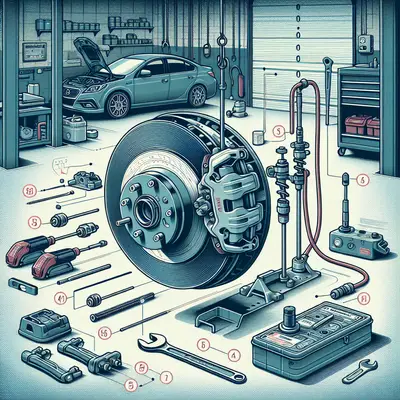
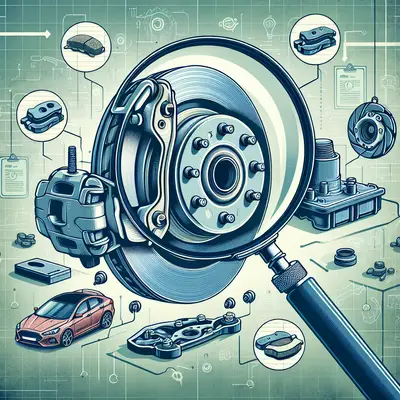
To the untrained eye, a brake job is simply pads and rotors. To the attentive owner, it is a precision pairing that deserves thoughtful selection. Not all friction materials are created equal, and not all rotors are suited to every driving profile. Matching them intelligently can transform braking from merely adequate to exquisitely composed.
Ceramic pads, for example, offer quieter operation, low dust, and stable performance in daily driving. Semi‑metallic pads often deliver stronger bite and better heat tolerance, at the cost of more noise and rotor wear. Premium rotors—properly machined, well‑balanced, and made from quality alloys—resist warping and uneven wear far better than bargain alternatives that may introduce subtle vibrations within a few thousand miles.
The key insight: consistency matters more than raw aggressiveness for most discerning drivers. Seek components engineered as a system—OEM parts or reputable aftermarket combinations specifically validated for your model—rather than assembling mismatched “upgrades” based solely on price or marketing claims. A quiet, linear, predictable response to every pedal application is the hallmark of a well‑curated friction setup.
Cleanliness as Craft: Why Brake Dust, Corrosion, and Hardware Matter
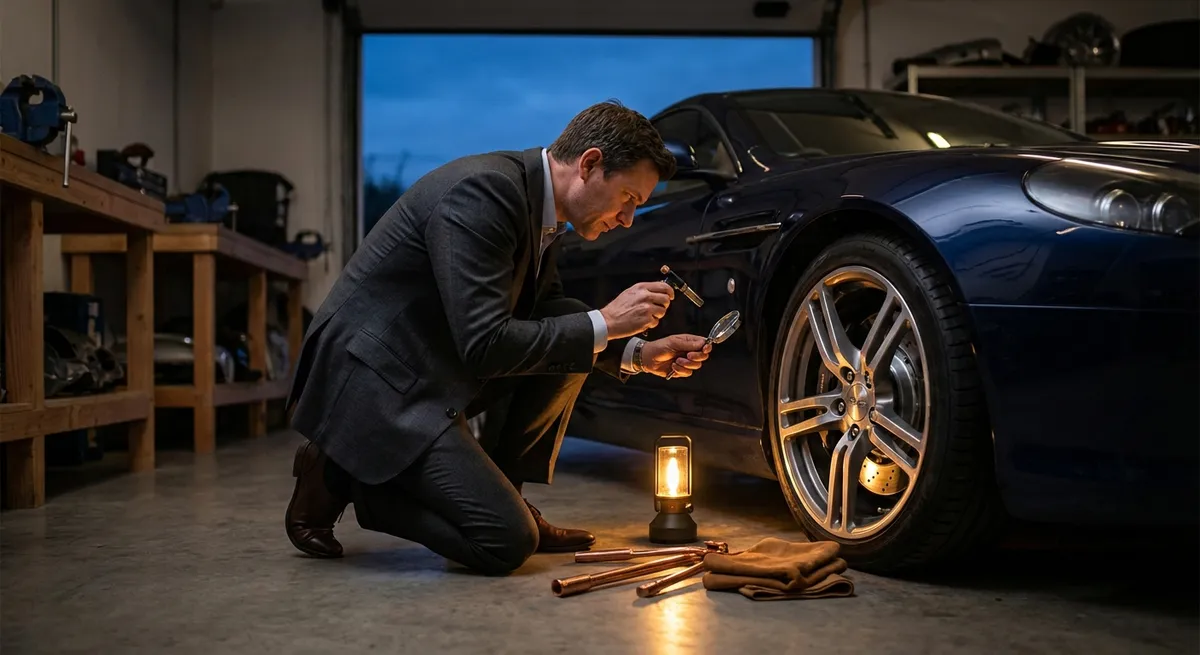
Elegant braking is not only about what you install but how you preserve it. The environment in which your brakes operate—dust, moisture, road salt, heat cycles—has as much influence on longevity and performance as the parts themselves. This is where meticulous, almost artisanal attention to cleanliness and small hardware pays dividends.
Brake dust left to accumulate on calipers, wheels, and nearby components is more than a cosmetic concern. Combined with moisture and salt, it becomes slightly abrasive and corrosive, accelerating wear on calipers, slides, and even wheel finishes. During service, a premium approach includes thorough cleaning with dedicated brake cleaners, careful inspection and lubrication of slide pins, and replacement of aged hardware such as shims, clips, and anti‑rattle springs.
Corrosion on backing plates or caliper brackets can cause pads to hang up, leading to uneven wear and subtle pulling under braking long before obvious symptoms arise. By ensuring hardware is fresh, surfaces are clean, and moving parts are free to glide precisely, you preserve the quiet, linear engagement that turns every stop into an exercise in controlled finesse.
Driving Technique as Preventive Maintenance: How You Brake Shapes How Long Brakes Last
Perhaps the most exclusive insight—because it cannot be purchased—is that your personal driving style is a powerful maintenance tool. Brakes do not fail suddenly in isolation; they are shaped, day after day, by how they are used. The refined driver understands that smoothness is not only elegant but protective.
Anticipatory driving—looking far ahead, lifting off the accelerator earlier, and using gentle, progressive pedal inputs—reduces heat buildup and prevents the repeated high‑energy stops that punish pads and rotors. Allowing sufficient following distance gives you the luxury of controlled deceleration rather than urgent braking. Downshifting appropriately in vehicles designed for it, especially on long descents, shares the load with the powertrain instead of subjecting the brakes to sustained thermal stress.
Critically, avoid resting your foot lightly on the pedal or using the brakes to “hold” the car on inclines instead of the parking brake or hill‑hold function. These habits generate low‑level constant heat that can glaze pads, warp rotors, and degrade fluid over time. Elegant braking is deliberate: decisive when needed, restrained when possible. The reward is extended component life, stable performance, and a feeling of unhurried control in every environment.
Conclusion
Truly exceptional brake maintenance is not defined by panic repairs after something feels wrong; it is the quiet discipline of noticing nuances, respecting quality components, and driving with intention. By listening to the pedal’s subtle language, treating brake fluid as a critical performance fluid, pairing pads and rotors with discernment, maintaining surgical cleanliness, and refining your driving technique, you cultivate a level of braking confidence that feels almost effortless.
For those who view safety as a cornerstone of sophisticated motoring, these practices are less a checklist and more a philosophy: calm, precise, and uncompromising whenever you ask your vehicle for a perfect stop.
Sources
- National Highway Traffic Safety Administration (NHTSA) – Vehicle Maintenance and Safety - Federal guidance on vehicle maintenance practices that influence safety, including braking systems
- U.S. Department of Transportation – Brake Fluid Standards (FMVSS No. 116) - Official specifications for brake fluid performance and safety requirements
- AAA – Car Brake Systems: Operation, Diagnosis and Maintenance - An overview of how brake systems work and how proper maintenance affects reliability
- Car Care Council – Brake System Service and Maintenance - Independent industry organization explaining recommended brake service intervals and practices
- Penn State Extension – Brake Systems and Brake Maintenance Basics - Educational resource detailing components of braking systems and the impact of maintenance on performance
Key Takeaway
The most important thing to remember from this article is that this information can change how you think about Maintenance.