For the genuinely meticulous driver, brake safety is not a yearly chore—it is a quiet discipline. Beyond basic maintenance schedules and dashboard warnings lies a more refined layer of care: the ability to sense, interpret, and respond to the smallest changes in how your car comes to a halt. This guide is designed for drivers who value precision, calm, and control; it gathers subtle, high-impact practices that elevate braking from a routine function to a carefully managed safety system.
Listening to the Car’s “Pre‑Symptoms”: Reading Micro‑Cues Before They Become Problems
Most major brake issues begin as almost imperceptible changes—too faint for the hurried driver, but obvious to someone paying deliberate attention. Rather than waiting for harsh grinding or obvious pulling to one side, cultivate a habit of reading micro‑cues each time you drive. Notice whether pedal travel feels a fraction longer than last week, whether the initial “bite” from the brakes feels slightly softer, or whether the car’s stopping distances seem marginally extended in familiar situations.
These early signals often arrive under low-stress conditions: light braking in city traffic, gentle deceleration exiting a highway, or controlled stops in your driveway. Use these moments as informal diagnostics. If you sense a gradual change, do not wait for a dramatic symptom; record the observation (a quick note in your phone with date and mileage works well) and monitor whether it recurs over several drives. Consistent micro‑changes often precede issues such as pad glazing, minor air intrusion into the brake lines, or early rotor irregularities. Acting at this stage allows for more controlled, less expensive, and significantly safer interventions.
Curating Road Conditions: Treating Surfaces as Part of Your Brake System
Brake components do not function in a vacuum; they are constantly negotiating the quality of the road surface beneath your tires. A refined approach to safety treats certain road conditions—standing water, gravel shoulders, steep declines, or polished urban intersections—as risk multipliers that warrant adapted braking behavior. Instead of relying on ABS or stability control as a safety net, adopt the mindset that these electronic aids are your last line of defense, not your primary plan.
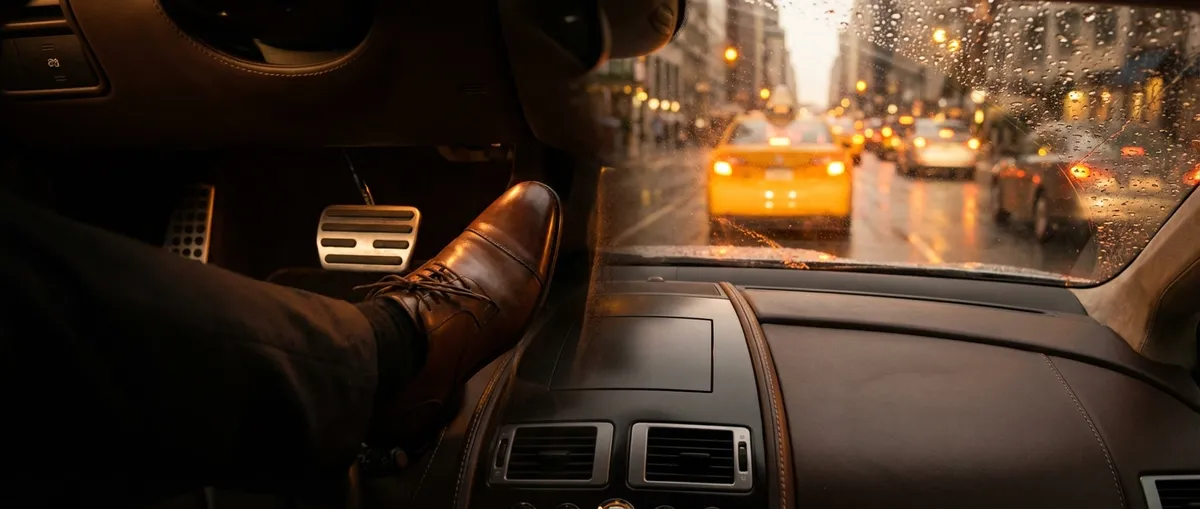
In wet or cold conditions, “test” your brakes gently in a straight line after setting off, allowing moisture or light surface rust to clear from the rotors. On consistently steep routes, such as mountain descents or long highway grades, use engine braking to reduce the burden on your friction brakes and limit heat buildup. When encountering gravel or broken pavement, shift to earlier, gentler braking, preserving control and stability rather than fighting for grip at the last moment. Over time, this conscious curation of road conditions not only improves safety but also protects your braking components from premature wear and thermal stress.
Maintaining a “Brake Reserve”: The Discipline of Predictive Spacing and Speed
Exceptional brake safety is less about how hard your brakes can work in an emergency—and more about how rarely they need to be pushed to their limits. Establishing a personal “brake reserve” means driving with enough following distance, awareness, and speed moderation that your brakes are almost never surprised. This is not merely courteous driving; it is a deliberate preservation of both mechanical integrity and safety margins.
Instead of accepting the minimum legal following distance, adopt a more generous, self-imposed standard that expands further in poor weather, at night, or in heavy traffic. Lift off the accelerator early when you anticipate a red light, known congestion point, or upcoming exit, allowing the car to decelerate naturally before you apply the brakes with measured pressure. This reduces heat buildup, minimizes pad and rotor stress, and keeps your braking consistently within a comfortable operating range. The true luxury is not just having powerful brakes; it is almost never needing to ask them for their maximum performance.
Thermal Awareness: Quietly Managing Brake Temperature in Everyday Driving
Brake fade and rotor warping are often associated with track driving or intense mountain roads, but heat management is relevant even in ordinary use—especially for heavier vehicles, performance models, or those regularly carrying passengers and cargo. A sophisticated driver develops a sense for when the brakes are being thermally stressed long before smoke, odor, or fade appears.
After a series of hard stops, extended downhill braking, or spirited driving, allow your brakes a cool‑down period. Avoid stopping with extremely hot pads pressed firmly against the rotors for long intervals, as this can encourage uneven material transfer and create subtle judder over time. Instead, when possible, roll the car a short distance after a particularly heavy stop or use a slightly lighter hold at the pedal while stationary. For vehicles frequently driven in demanding conditions, periodic inspections focused specifically on heat-related indicators—such as discoloration on rotors, minor surface cracks, or glazing on pads—provide early warnings that your braking system has been working harder than it appears.
Elevating the Annual Inspection: Turning Routine Service into a Brake Audit
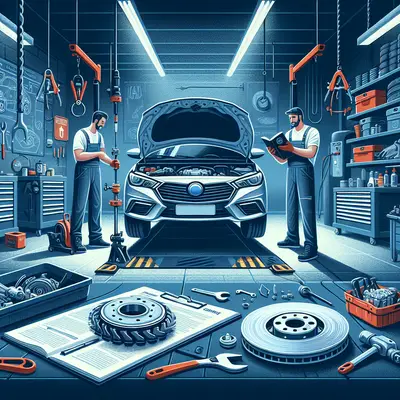
Most annual services or state inspections verify that your brakes meet minimum standards. For those who care about heightened safety and feel, it is worth going beyond the basic checklist and treating this visit as a “brake audit.” Instead of accepting a simple pass/fail, request specific data: remaining pad thickness on each wheel, rotor thickness and condition, brake fluid moisture content, and any uneven wear patterns observed.
A premium approach includes asking the shop to evaluate brake fluid age and contamination, not just fluid level. Brake fluid is hygroscopic and gradually absorbs moisture, which can lower its boiling point and reduce braking performance under stress. If your vehicle’s manual specifies a fluid interval (often two years), adhere to it even if you haven't noticed symptoms. Additionally, ask whether the technician observed any caliper stiffness, sticking slide pins, or minor leaks at hoses or fittings. These are subtle issues that may not yet trigger obvious problems but can degrade performance and safety over time. Keeping a written log of each inspection creates a history that allows you—and any trusted technician—to spot long-term trends rather than reacting only to acute failures.
Conclusion
Brake safety, at its most refined, is not defined by emergency heroics. It is defined by anticipation, observation, and restraint. By learning to recognize micro‑symptoms, respecting road conditions as equal partners in stopping, preserving a consistent brake reserve, quietly managing thermal stress, and transforming routine service into a thoughtful brake audit, you create an environment in which genuine emergencies become rarer—and your braking system is more prepared when they do occur. This is the essence of premium safety: an unhurried, confident control that turns every stop into something quietly intentional rather than merely automatic.
Sources
- [National Highway Traffic Safety Administration (NHTSA) – Brakes](https://www.nhtsa.gov/equipment/brakes) - Federal guidance on brake safety, performance expectations, and consumer information
- [AAA – How to Tell if Your Car Needs Brake Service](https://www.aaa.com/autorepair/articles/how-to-tell-if-your-car-needs-brake-service) - Practical signs of brake wear and when to seek professional inspection
- [U.S. Department of Transportation – Driving in Adverse Weather Conditions](https://www.transportation.gov/testimonials/driving-adverse-weather-conditions) - Official safety advice on driving and braking on compromised road surfaces
- [Car Care Council – Brake System Maintenance](https://www.carcare.org/brake-system/) - Overview of recommended brake inspection intervals and components to monitor
- [University of Nebraska–Lincoln Transportation Safety – Safe Following Distance](https://transportation.unl.edu/safe-following-distance) - Educational explanation of proper spacing and its impact on braking safety
Key Takeaway
The most important thing to remember from this article is that this information can change how you think about Safety Tips.