Brakes are not merely components; they are your vehicle’s final argument against physics. For drivers who demand composure, predictability, and quiet authority from every stop, brake maintenance becomes less about reacting to problems and more about deliberately shaping performance. This is where refinement lives—in the quiet choices you make long before a warning light appears.
Below, we explore a more elevated approach to brake maintenance, with a focus on subtle diagnostics, material quality, and disciplined habits. Interwoven are five exclusive insights that safety‑conscious owners can use to move beyond the basics and into truly intentional brake care.
Understanding Brake Maintenance as a Performance Discipline
Treating brake maintenance as a performance discipline reframes the task entirely. Instead of waiting for noise, vibration, or fading pedal feel, you adopt the mindset of a curator—regularly assessing and preserving a carefully engineered system.
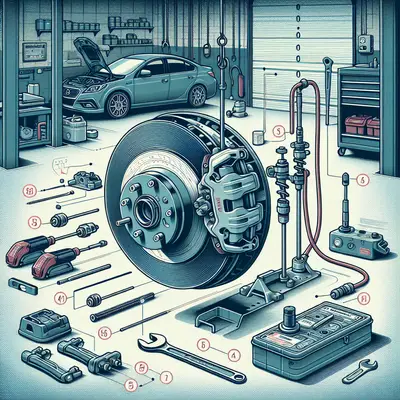
A modern braking system is built around predictable friction, controlled heat, and stable hydraulic pressure. Pads, rotors, calipers, brake fluid, lines, and even wheel bearings all contribute to how confidently a car settles under braking. When any one element begins to degrade, the system may still “work,” but it no longer performs with the crisp assurance it was designed to deliver.
Routine inspections—ideally every 6–12 months or at each tire rotation—allow you to identify trends rather than surprises. Slightly uneven pad wear, a gentle steering shimmy under braking, or a darker-than-usual brake fluid color are early-stage indicators, not emergencies. When you respond at this stage, you preserve both performance and component longevity, rather than trading one for the other.
For a driver who values control, brake maintenance is less about repair and more about continuous calibration.
The Foundation: Cleanliness, Precision, and Consistency
Behind every confident brake pedal is an unglamorous trio: cleanliness, precision, and consistency. Dust, rust scale, and dried grease are quiet saboteurs; they may not cause immediate failure, but they undermine refinement over time.
During a professional brake service, attention should extend far beyond pad and rotor replacement. Caliper slides must move freely and evenly, with the correct high‑temperature lubricant applied in the correct amount. Pad abutment points should be cleaned back to bare metal when appropriate, then treated to prevent corrosion-induced binding. Hardware such as anti-rattle clips and shims should be inspected and replaced when fatigued, not merely reused “because they fit.”
Rotor surfaces should be evaluated not only for thickness and runout but also for finish quality. A properly finished rotor face pairs with the pad material to create a stable friction layer (or “transfer film”) that supports smooth, consistent braking. Likewise, torqueing wheel lug nuts accurately and in the correct pattern is an underappreciated contributor to rotor longevity and steering-wheel calmness. Over‑torqued or unevenly tightened lugs can distort rotors and introduce subtle pulsations over time.
By insisting on process discipline—clean surfaces, measured lubrication, correct torque—you safeguard the nuanced feel that separates merely functional brakes from truly reassuring ones.
Exclusive Insight 1: Listening for Micro-Symptoms, Not Just Obvious Noises
Most drivers wait for overt squeals or grinding before taking brakes seriously. A more discerning approach involves recognizing “micro-symptoms” that precede dramatic sounds.
Pay attention to:
- A very slight delay between initial pedal pressure and the car’s response, especially at low speeds.
- A soft, nearly imperceptible groan or moan during gentle stops in parking lots.
- Faint pedal vibration that appears only during prolonged braking on downhill stretches.
- Subtle steering-wheel movement under moderate braking, not just at highway speeds.
- A change in the way the car “settles” from 30–0 mph compared with 60–0 mph.
Individually, these might seem too minor to warrant attention. Collectively, they help you detect glazing, uneven pad deposits, minor rotor runout, or early caliper issues. Addressing the system at this stage typically results in simpler, less invasive service and maintains a consistently premium feel in everyday driving.
The key is to build a quiet mental reference library of how your brakes feel and sound at various speeds, temperatures, and loads. Any departure from that baseline—no matter how subtle—is worth noting and, if persistent, worth a professional inspection.
Exclusive Insight 2: Matching Brake Pad Compound to Driving Style
Not all brake pads are created for the same purpose, and “upgraded” does not always mean “better for you.” An informed owner chooses a pad compound that matches actual usage, not marketing language.
- Organic / NAO (Non-Asbestos Organic): Often quieter with a softer pedal feel, suitable for lighter vehicles and gentle city driving, but may wear faster and perform less consistently under heavy load.
- Semi-metallic: Durable and effective at higher temperatures, ideal for mixed driving or heavier vehicles, though sometimes noisier with more brake dust.
- Ceramic: Favored for low dust and quiet operation, often with a refined pedal feel, but not always optimal for very aggressive driving or heavy towing where maximum thermal capacity is critical.
Ask your technician—not just for a “good” pad—but for a compound suited to your environment (urban, mountainous, highway-heavy), vehicle weight, and driving temperament. A well-chosen pad compound can reduce noise, improve modulation, and extend rotor life, all while maintaining or improving safety margins.
Owners who insist on compound transparency (brand, model line, and friction rating where available) tend to enjoy more consistent performance and fewer unwelcome surprises.
Exclusive Insight 3: Intelligent Brake Fluid Strategy, Not Just Periodic Replacement
Brake fluid is often treated as an afterthought, yet it is the lifeblood of your braking system. Over time, it absorbs moisture from the air, lowering its boiling point and encouraging internal corrosion of calipers, lines, and ABS components.
While many manufacturers recommend brake fluid replacement every two to three years, a more deliberate approach involves:
- Baseline testing: Having your brake fluid’s boiling point or moisture content measured at least annually.
- Environment-aware intervals: Shortening replacement intervals if you live in humid climates, tow frequently, or drive in mountain regions where brakes run hotter.
- Quality selection: Choosing a high-quality fluid meeting or exceeding the manufacturer’s DOT specification (DOT 3, 4, or 5.1), and avoiding mixing types unless explicitly compatible.
Regularly refreshed fluid enhances pedal consistency, especially during repeated stops or spirited driving. Perhaps more importantly, it quietly extends the service life of expensive ABS modules and calipers, which are far more costly than a fluid flush.
This fluid strategy transforms brake maintenance from a schedule-based obligation into a condition-based, data-informed practice.
Exclusive Insight 4: Protecting Brake Performance Through Wheel and Tire Choices
Wheel and tire decisions, often driven by aesthetics, can significantly influence brake effectiveness and durability. Upgraded wheels, low-profile tires, or aggressive offsets can unintentionally compromise brake cooling, balance, or feel.
Consider these nuances:
- Wheel design and airflow: Some wheel designs channel air effectively past the rotors, enhancing cooling. Others restrict airflow and trap heat, especially during high-speed or downhill braking.
- Wheel size and weight: Larger, heavier wheels increase rotational mass, requiring more braking effort and generating more heat. This can subtly shorten pad and rotor life and increase stopping distances.
- Tire compound and tread: Premium braking is not just about the brakes themselves; it is about the tire’s grip. High-quality tires with appropriate speed and load ratings drastically influence how effectively your brake system translates hydraulic pressure into deceleration.
When considering wheel or tire changes, view them as an integrated decision: aesthetics, yes, but also brake cooling, weight, and contact patch performance. An owner who aligns all three enjoys braking that feels both composed and effortless, even when driven assertively.
Exclusive Insight 5: Seasonal Brake Etiquette for Drivers Who Refuse Surprises
Road conditions change dramatically with the seasons, and your braking strategy should adapt just as thoughtfully. Switching to a seasonal “brake etiquette” mindset helps you maintain consistent performance year-round.
In cold weather, pad compounds may take longer to reach optimal friction, and moisture can accumulate on rotors overnight, leading to initial surface rust. The first few stops each morning should be deliberate but gentle, allowing the pads and rotors to warm and clean themselves without hard, abrupt braking.
In wet or slushy conditions, water film and road grime can momentarily reduce friction. Avoid sudden, aggressive inputs immediately after driving through deep puddles or slush; instead, apply light, repeated brake pressure to help re-establish a clean, dry contact surface.
In hot climates or mountain driving, prolonged braking can lead to fade if unmanaged. Use engine braking when descending long grades and allow short cooling intervals when safe to do so. If you notice a softening pedal or a change in smell (a sharp, hot odor near the wheels), give the brakes a chance to cool and consider a professional inspection.
This kind of seasonal etiquette isn’t about driving slowly; it’s about managing heat, moisture, and friction with intention so your brakes remain poised, not stressed.
Partnering with the Right Professional (and Asking Elevated Questions)
For owners who value a premium driving experience, the choice of service provider is as important as the components themselves. A refined brake service relationship is built on shared standards: precise workmanship, clear documentation, and respect for engineering details.
When evaluating a shop or technician, consider asking:
- How do you measure rotor runout and pad thickness, and do you record those values?
- What brake pad brands and compounds do you prefer for my vehicle and why?
- How do you handle caliper hardware, slide pins, and anti-rattle clips during a service?
- Do you use a torque wrench on wheels and caliper bracket bolts every time?
- How often do you recommend brake fluid testing, and how is that performed?
Their answers will reveal how seriously they treat brake systems as precision equipment rather than mere wear items. Ideally, you receive not only fresh parts, but a concise report: measured values, remaining life estimates, fluid condition, and any early-stage concerns.
Over time, this documentation becomes your personal brake dossier—a record that enables smarter decisions, better budgeting, and unwavering confidence in your car’s ability to stop as elegantly as it accelerates.
Conclusion
Exceptional braking is never an accident; it is the result of deliberate maintenance, informed decisions, and quiet vigilance. By recognizing micro-symptoms early, matching pad compounds to your actual driving, managing brake fluid intelligently, considering the impact of wheel and tire choices, and adopting seasonal brake etiquette, you move beyond basic safety into a realm of truly cultivated control.
For the driver who values refinement, each stop is a subtle statement of preparation and care. Underneath that composed deceleration lies a system you have chosen not to take for granted—and that is what transforms routine brake maintenance into a genuine driving advantage.
Sources
- [National Highway Traffic Safety Administration (NHTSA) – Brake Safety Overview](https://www.nhtsa.gov/equipment/brakes) - Federal guidance on brake system components, performance expectations, and safety considerations.
- [U.S. Department of Transportation – Brake Fluid Standards (FMVSS No. 116)](https://www.transportation.gov/regulations/federal-motor-vehicle-safety-standards-brake-fluids-fmvss-no-116) - Official specifications and requirements governing brake fluid performance and classification.
- [AAA – How to Know When Your Brakes Need Servicing](https://www.aaa.com/autorepair/articles/how-to-know-when-your-brakes-need-servicing) - Practical indicators of brake wear and professional service recommendations for motorists.
- [Car Care Council – Brake System Service and Maintenance](https://www.carcare.org/car-care-resource/brake-system/) - Consumer-focused guidance on routine brake inspections, component care, and maintenance intervals.
- [Bridgestone Tire – How Tires Affect Braking Distance](https://www.bridgestonetire.com/learn/maintenance/how-tires-affect-braking-distance/) - Technical explanation of how tire design and condition influence braking performance and stopping distances.
Key Takeaway
The most important thing to remember from this article is that this information can change how you think about Maintenance.