Brake maintenance is often treated as a reactive chore—something addressed only when the car squeals, pulls, or shudders. Discerning drivers know better. When you view your brake system as a finely calibrated safety instrument rather than a consumable part, your approach changes: inspections become rituals, repairs become investments, and each stop reflects your standard, not your mechanic’s minimum. This is maintenance as a quiet discipline, not a last-minute expense.
Below is a refined framework for maintaining your brakes with intention—anchored by five exclusive insights for drivers who insist that “safe enough” is never the goal.
Seeing Your Brakes as a System, Not a Set of Parts
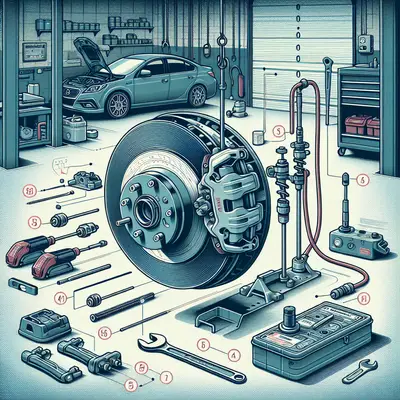
Modern braking is a choreography of components working together: pads, rotors, calipers, hoses, brake fluid, ABS sensors, and the electronic control unit. Treating any one of these in isolation leads to piecemeal repairs and uneven performance.
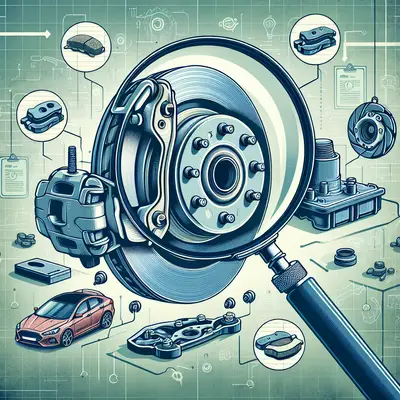
A system-focused mindset begins at the inspection stage. When brake pads are worn, a thoughtful technician does not simply quote pad replacement; they measure rotor thickness and runout, inspect caliper slide pins for smooth motion, check the condition of rubber hoses, and evaluate brake fluid clarity and moisture content. They also review wear patterns—uneven pad wear can reveal frozen caliper slides, sticky pistons, or poor-quality hardware installed at a previous service.
This systemic view prevents “stacked compromises.” A fresh set of premium pads installed on overheated, glazed rotors will never feel refined; equally, pristine rotors will not perform as designed if mated to bargain pads that fade early. The goal is harmony, not just newness.
The Foundation: Establishing a Brake Maintenance Rhythm
An elevated brake maintenance routine is defined not only by what you check, but by how predictably you check it. Brake wear is influenced heavily by driving environment, load, and style, so waiting for a standard mileage interval alone is imprecise.
A sophisticated owner’s rhythm typically includes:
- A visual brake inspection with each tire rotation (often every 5,000–7,500 miles)
- A more detailed brake inspection annually, even if no symptoms are present
- A brake fluid evaluation every visit, with moisture testing where available
- A full brake fluid flush at the interval recommended by the manufacturer (often 2–3 years, or sooner in harsh climates or performance use)
This cadence allows you to catch subtle trends long before they become problems: one wheel accumulating more brake dust, a very slight pull while braking, or the first hint of steering wheel vibration at highway speeds. Addressing issues at this early stage often means resurfacing rotors instead of replacing them, or cleaning and lubricating caliper hardware instead of replacing calipers outright.
Five Exclusive Insights for Drivers Who Refuse to Compromise
These five insights are frequently overlooked in everyday service conversations yet matter deeply to owners who value precise, consistent braking.
1. Brake Feel Is a Diagnostic Tool, Not Just a Preference
Most drivers can describe brake performance only in rough terms—“soft,” “grabby,” or “fine.” You can go further. A deliberate driver pays attention to:
- Initial bite: How promptly do the brakes respond when the pedal is first pressed?
- Linearity: Does braking force build smoothly as pedal pressure increases?
- Pedal travel: Has the pedal gradually been getting lower or spongier over months, not days?
- Consistency: Do repeated stops from moderate speed feel the same, or does the pedal change character as the brakes warm?
Changes that happen slowly are easy to dismiss, but they often precede obvious failures. A subtly lengthening pedal over many months might indicate increasing fluid moisture, deteriorating rubber lines, or early master cylinder wear. By mentally “calibrating” how your brakes feel and noting changes—even if the car still “stops fine”—you turn subjective impressions into an early-warning system that a skilled technician can interpret.
2. Brake Fluid Condition Is as Critical as Pad Thickness
Brake fluid is not an afterthought; it is the hydraulic medium that translates your foot’s intent into clamping force. Because it is hygroscopic (it absorbs moisture over time), its boiling point declines as it ages. This does more than affect extreme, high-speed braking—it can also degrade pedal firmness during repeated stops on long descents or in heavy traffic.
A refined maintenance plan doesn’t wait for visible cloudiness. Instead, it includes:
- Regular testing for moisture content (with an electronic tester or chemical strips)
- Adherence to DOT specification (DOT 3, 4, or 5.1 as specified by your manufacturer)
- Full system flushes, not just “topping off,” which only dilutes old fluid rather than replacing it
When brake fluid is treated as an integral performance component instead of background fluid, you preserve consistent pedal feel and reduce long-term corrosion inside calipers, lines, and ABS components—areas you do not want to replace prematurely.
3. Hardware and Lubrication Quietly Decide How Long Your Brakes Last
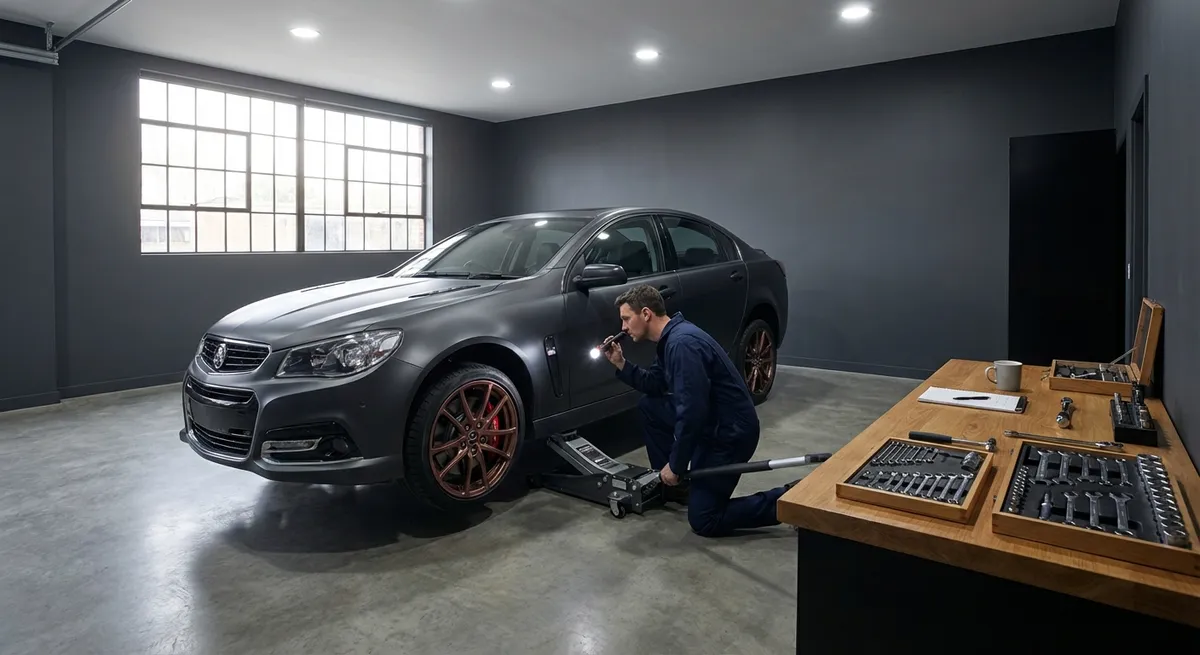
Pad and rotor selection gets attention; the humble hardware holding everything together rarely does. Yet the performance and longevity of your brake job are often decided by details you cannot see without removing the wheel:
- Caliper slide pins must be cleaned and lubricated with high-temperature, brake-specific grease (not general-purpose lubricant). Dry, corroded pins cause uneven wear and hot spots.
- Pad abutment clips and shims should be replaced or properly cleaned and dressed, especially in regions with road salt. Rust buildup can restrict pad movement, leading to noise and premature wear.
- Anti-rattle clips and springs keep pads from chattering and vibrating; leaving them out or reusing damaged pieces is a shortcut that shows up later as squeaks and rattles.
Requesting premium hardware kits and precise lubrication practices, not just “new pads and rotors,” signals that you value the craftsmanship of the job as much as the parts invoice.
4. Rotor Finish and Bedding Shape the Braking Experience
Many shops treat rotor installation as a purely mechanical step: bolt on, move on. A refined approach pays close attention to the rotor’s mating surfaces, finish, and integration with the pad.
Key practices include:
- Cleaning rotor surfaces thoroughly to remove protective oils before installation
- Checking and cleaning hub faces to ensure rotors sit perfectly flat, minimizing runout and future pulsation
- Following a proper bedding-in (burnishing) procedure after new pad and rotor installation, gradually heating the system through a series of moderate stops to transfer an even layer of pad material to the rotor
Improper or rushed bedding can lead to uneven pad deposits, which present as “warped rotor” sensations long before the rotor is actually out-of-spec. When your brake feel remains smooth and vibration-free tens of thousands of miles after a service, it is often because the initial finish and bedding were executed patiently and correctly.
5. Driving Style as a Strategic Maintenance Tool
Braking behavior is not only about comfort and smoothness; it is also a strategic way to manage heat and extend component life. Thoughtful habits can dramatically alter how often you need major brake work:
- Looking farther ahead to reduce last-second, high-pressure stops
- Allowing more following distance, which enables gentler braking and more coasting
- Downshifting appropriately on long descents (in vehicles where this is recommended), using engine braking to reduce heat load on pads and rotors
- Avoiding repeated hard stops from high speed when not necessary, as these are especially punishing to friction materials and fluid
For owners who routinely drive in mountainous areas, tow, or commute in heavy stop-and-go traffic, these habits are not merely about elegance; they directly reduce the likelihood of brake fade, fluid boiling, and accelerated rotor wear.
Choosing Service Partners Who Match Your Standards
A premium approach to brake maintenance is only as strong as the people you entrust with the work. The right service partner welcomes questions and can discuss brakes in terms of measurement and procedure, not just price.
Signals of a high-caliber brake service provider include:
- Printed measurements: pad thickness, rotor thickness vs. minimum spec, and rotor runout where appropriate
- Transparent inspection reports with photos of your actual components
- Willingness to discuss part options (OEM vs. premium aftermarket) and explain trade-offs
- Clear recommendations for when to recheck or service again, tailored to your driving pattern rather than a generic interval
When you combine your own attentiveness with a technician who respects process and precision, brake service becomes more like preventative medicine than emergency surgery.
Conclusion
Brake maintenance, handled thoughtfully, is not just another line item on a service invoice—it is a reflection of how you define safety, comfort, and control. By treating your brake system as an integrated whole, establishing a disciplined inspection rhythm, and embracing the five insights above, you position yourself in a small but serious group of drivers who manage risk proactively rather than reactively.
Every quiet, confident stop you make is the result of choices—about parts, procedures, and habits—that most drivers never see. You do. And that difference is exactly what keeps you, and those around you, safer for far longer.
Sources
- [National Highway Traffic Safety Administration (NHTSA) – Vehicle Maintenance & Safety](https://www.nhtsa.gov/road-safety/vehicle-safety-checks) – Guidance on regular safety checks, including brakes, and their role in crash prevention
- [U.S. Department of Energy – FOTW #1235: Effects of Driving Behavior on Fuel Economy and Wear](https://www.energy.gov/eere/vehicles/articles/fotw-1235-may-9-2022-aggressive-driving-lowers-fuel-economy-15-30-highway) – Explains how aggressive driving and hard braking affect vehicle wear and performance
- [StopTech Technical White Paper – Brake Fluid 101](https://stoptech.com/technical-support/technical-white-papers/brake-fluid-101/) – In-depth explanation of brake fluid properties, boiling points, and moisture effects
- [Brembo – How to Run-In New Brakes (Bedding Procedure)](https://www.brembo.com/en/company/news/how-to-run-in-the-brakes) – Manufacturer guidance on proper bedding-in of pads and rotors for optimal performance
- [Carnegie Mellon University – Vehicle Inspection Guidelines](https://www.cmu.edu/police/vehicle-safety/index.html) – University resource outlining brake inspection expectations as part of overall vehicle safety practices
Key Takeaway
The most important thing to remember from this article is that this information can change how you think about Maintenance.