There is a quiet confidence that comes from knowing your brakes are not merely functional, but truly dependable. For discerning drivers, “good enough” is never the benchmark; the goal is a braking system that behaves predictably in the most unpredictable moments. This guide explores refined, safety‑first practices that go beyond basic maintenance and into the realm of intentional, thoughtful brake care—so every stop feels deliberate, not lucky.
Why Elevated Brake Safety Starts Before the First Stop
Most drivers wait for a symptom—a squeal, a vibration, a warning light—before thinking about brakes. By then, precious safety margins may already be compromised. Elevated brake safety begins earlier, with an understanding that brakes are a system, not a single component. Pads, rotors, calipers, brake fluid, hoses, tires, and even suspension all participate in how confidently your vehicle slows and stops.
Instead of viewing brake service as a reaction to problems, treat it as an ongoing refinement of a safety system you rely on every time you drive. This mindset shift helps you prioritize proactive inspections, precise component choices, and road habits that preserve your braking performance under stress. The result is a vehicle that responds consistently—under hard braking, in the rain, down a steep grade, or during an emergency lane change—rather than one that surprises you when it matters most.
Insight 1: Reading the “Silent Language” of Pedal Feel
Brake warning lights and loud squeals get attention, but sophisticated brake safety begins with subtler cues—especially pedal feel. The brake pedal is your direct line of communication with the hydraulic system, and minor changes can reveal developing issues long before they become obvious.
A firm, predictable pedal that responds linearly to pressure suggests a healthy system. A pedal that slowly sinks at a stoplight can hint at internal leaks or a failing master cylinder. A pedal that feels “spongy” or compressible often signals air or moisture in the brake lines, while a high, overly sensitive pedal can indicate excessive pad wear compensation or an incorrectly adjusted system. Take note of how the pedal behaves when the engine is off versus running (with vacuum assist); any dramatic difference deserves a professional inspection.
Instead of dismissing small changes—an extra bit of travel, a new faint vibration, or a slight delay in bite—treat them as early safety prompts. Noticing and acting on these cues turns you into an active participant in your vehicle’s safety, rather than a passive driver waiting for a problem to announce itself.
Insight 2: Elevating Brake Fluid from Afterthought to Safety Asset
Among all brake components, fluid is the one most likely to be ignored and yet most critical to consistent stopping power. Brake fluid is hygroscopic—it absorbs moisture over time, even in a closed system. As water content increases, the fluid’s boiling point drops, raising the risk of brake fade during heavy or repeated braking. This is especially relevant for drivers who commute in hilly areas, tow, or drive aggressively on highways.
Elevated brake safety means treating fluid replacement as a scheduled priority, not an optional upsell. Consult your owner’s manual and consider more frequent changes if you drive in demanding conditions. If your vehicle offers a brake fluid moisture or quality test during service, review the results and don’t delay a flush when recommended.
Equally important is choosing the correct specification—DOT 3, 4, or 5.1—as mixing incompatible types or using lower-grade fluid than specified can subtly erode performance and, in extreme conditions, safety. A properly flushed and bled system delivers a firmer pedal, more consistent braking under load, and greater confidence on long descents or during sudden stops—precisely when you cannot afford uncertainty.
Insight 3: Understanding How Tires Quietly Dictate Stopping Distance
Brake components turn motion into heat, but tires turn motion into grip. Even the finest pads and rotors cannot compensate for worn, underinflated, or inappropriate tires. A sophisticated approach to brake safety recognizes that your actual stopping distance depends heavily on what’s in contact with the road.
Start with tread depth: once your tires approach the legal minimum, stopping distances—especially on wet roads—can increase dramatically. However, premium safety practice means not waiting for the legal limit. Many safety-conscious drivers treat 4 mm (about 5/32") as an early warning point for wet performance and reevaluate tire replacement as they near that threshold.
Tire pressure is equally influential. Underinflated tires flex more, lengthening stopping distances and compromising stability under hard braking or evasive maneuvers. Check pressures at least monthly and before longer trips, when tires are cold. Also consider the compound and category of your tires; performance, touring, and winter tires each behave differently under emergency braking. Matching tire type to climate and driving profile is an understated yet powerful way to enhance brake safety without touching the brake hardware itself.
Insight 4: Designing Your Driving Habits Around Brake Preservation
Exceptional brake safety is not just about components—it’s about the way you drive. Subtle habit changes can dramatically reduce heat buildup, wear, and the likelihood of fade or failure when you need full braking capacity.
Cultivate extended sightlines: look well ahead so you can release the throttle earlier and use engine braking rather than relying solely on your brake pedal. Smooth, progressive stops keep components cooler and more predictable on subsequent braking events. On downhill grades, particularly when fully loaded or towing, downshift or use your vehicle’s manual or low-gear modes. Continuous light braking on long descents is a recipe for overheating; alternating between engine braking and firm, intermittent braking is safer and more controlled.
Leave generous following distance, especially in wet or low-visibility conditions. This isn’t just courteous—it creates the space needed for measured braking rather than sudden, aggressive stops that can upset the vehicle’s balance. Over time, these refined habits not only extend brake life but also preserve your system’s emergency performance for when you genuinely need it.
Insight 5: Treating Brake Inspections as Precision Evaluations, Not Formalities
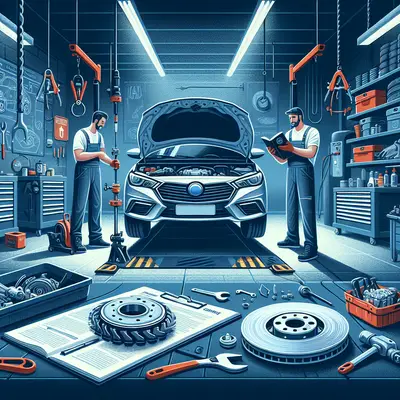
A premium approach to safety means expecting more from a brake inspection than a cursory glance and a quick “it’s fine.” Whether you perform your own checks or work with a shop, treat every brake evaluation as a precision exercise.
Ask for measured values, not vague impressions. How much pad thickness remains, in millimeters? Are rotors within manufacturer specifications for minimum thickness and runout? Are there any signs of uneven wear that might indicate a sticking caliper, misaligned hardware, or an issue with brake balance? A refined safety mindset also considers the age and condition of rubber components—hoses, seals, and dust boots—as they quietly age and can contribute to leaks, contamination, or caliper sticking.
If your vehicle is equipped with ABS or advanced driver-assistance systems (ADAS), confirm that sensors and tone rings are clean and undamaged, and that no intermittent warning codes are present. Modern safety systems depend on clean data; a marginal sensor can compromise ABS performance just when you need it most. Documenting each inspection, including measurements and recommendations, gives you a clear safety history and makes it easier to plan service before minor concerns become urgent repairs.
Conclusion
Brake safety, at its highest standard, is not about reacting when something feels wrong. It is about cultivating a deliberate relationship with the systems that protect you every time you drive. By listening to pedal feel, respecting brake fluid as a critical safety medium, honoring the role of tires, refining your driving habits, and insisting on precise, data‑driven inspections, you transform braking from a basic function into a carefully managed safety asset.
The reward is not just shorter stopping distances; it is a calm, assured confidence behind the wheel—a quiet certainty that, when you ask your vehicle to stop, it will answer with composure and control.
Sources
- National Highway Traffic Safety Administration (NHTSA) – Brakes and Brake Systems – Federal guidance and safety information on vehicle brake systems and performance
- AAA – How to Know When You Need New Brakes – Consumer-focused overview of brake wear indicators, inspection practices, and safety considerations
- U.S. Department of Transportation – Tire Safety: Everything Rides on It – Official brochure detailing how tire condition, pressure, and tread affect vehicle control and stopping distance
- University of Nebraska–Lincoln – “Brake Fluid: What It Is and Why It Matters” – Educational explanation of brake fluid properties, moisture absorption, and its impact on braking performance
- Car and Driver – Brake System Maintenance Guide – Technical yet accessible overview of brake system components, operation, and maintenance best practices
Key Takeaway
The most important thing to remember from this article is that this information can change how you think about Safety Tips.