Brake maintenance, at its finest, is less a reaction to problems and more a quiet, ongoing curation of safety. For the discerning driver, each stop should feel deliberate, predictable, and wholly unremarkable—in the best possible way. This level of calm confidence is not achieved by chance; it’s the result of attentive habits, precise observations, and a willingness to look beyond the obvious “squeak = problem” narrative.
This guide explores refined brake maintenance practices and presents five exclusive insights that safety‑minded owners will appreciate—details that typically live just beyond the standard advice.
Seeing Brakes as a System, Not a Part
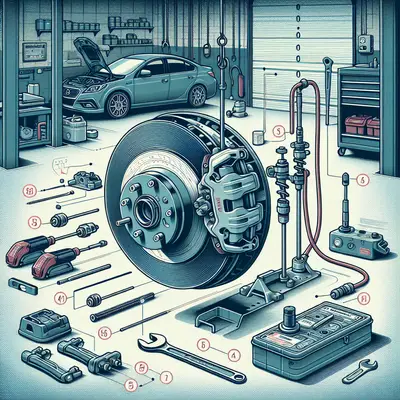
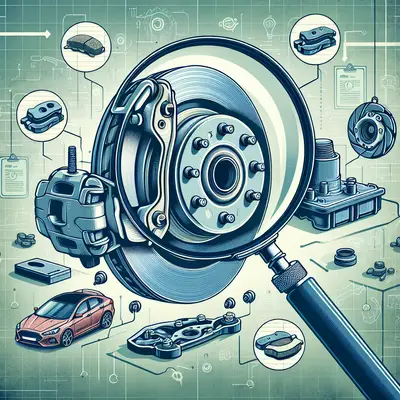
Many drivers think of brakes as a single component: pads. In reality, effective stopping is a choreography of pads, rotors, calipers, brake fluid, hoses, hardware, and even tires and suspension. When one element falls out of tune, the entire performance suffers.
A premium maintenance mindset treats brakes as a system that must age gracefully together. That means replacing pads before they become critically thin, pairing them appropriately with compatible rotor materials, and ensuring that calipers slide freely and retract as designed. It also means acknowledging that tires, alignment, and shocks quietly influence stopping distances; worn shocks or uneven tires can undermine even the finest brake components. Professional inspections should therefore be system‑wide, not pad‑only. The objective is not just to stop, but to stop consistently—under stress, over time, and in imperfect conditions.
Five Exclusive Insights for the Safety‑Obsessed Driver
Below are five elevated considerations that go beyond the usual “check your pads” advice. Each one reflects a subtle but consequential layer of brake safety.
1. Your Brake Pedal Has a “Signature Feel”—Memorize It
Most drivers notice the pedal only when something feels obviously wrong. The meticulous driver, however, becomes familiar with the normal resistance, travel, and feedback of the pedal, almost like learning the weight of a fine pen.
Set a mental baseline during calm driving: how far the pedal travels before engagement, how firm it feels under steady pressure, and whether it responds the same on cold mornings and hot afternoons. Slight increases in pedal travel can hint at pad wear, fluid issues, or air in the system. A gradually softening pedal often emerges long before any warning lights do. By “memorizing” this signature feel, you can detect subtleties early—well before they escalate into performance or safety concerns.
2. Temperature Management Is the Unseen Guardian of Brake Life
Repeated hard stops, long downhill grades, and spirited driving all create substantial heat in the braking system. Excessive heat can lead to fade (a loss of braking effectiveness), premature pad wear, and even subtle rotor distortion that later presents as steering wheel vibration.
Refined brake maintenance includes a respect for temperature. When descending extended hills, shift to lower gears where appropriate to use engine braking and spare your pads. After intense braking (such as an emergency stop), avoid immediately parking with the brakes clamped hard on very hot rotors, which can encourage uneven pad deposits. If you drive in mountain regions, consider discussing higher‑temperature‑tolerant pads and fluid with your technician. The goal is to ensure that your brakes are not merely strong in ideal conditions, but stable when stressed.
3. Brake Fluid Is Not Just a “Top-Up” Item—It’s a Wear Item
Brake fluid quietly absorbs moisture over time, which lowers its boiling point and introduces the risk of internal corrosion within lines, calipers, and the master cylinder. Many owners top it off but rarely consider replacement intervals, even though most manufacturers recommend periodic fluid changes.
A sophisticated approach treats brake fluid as a scheduled wear item rather than an afterthought. Ask your service provider for the age and condition of your brake fluid, and whether they can measure its moisture content or boiling point. Fresh, high‑quality fluid provides more consistent pedal feel under heavy braking and helps preserve delicate internal components. For drivers who tow, drive in hilly regions, or frequently travel at motorway speeds, fluid condition is as critical as pad thickness.
4. Cleanliness at the Caliper Level Is a Safety Practice, Not Just Aesthetic
What happens behind each wheel—where calipers, slides, and hardware reside—defines how evenly your car stops. Corroded slide pins, dirty mounting surfaces, and aged hardware can cause one pad to do more work than the other, leading to uneven wear, pulling under braking, or hot spots on the rotor.
Premium brake service includes careful cleaning and preparation: removing rust from pad abutment surfaces, lubricating slide pins with the correct high‑temperature grease, and replacing hardware (shims, clips, pins) rather than reusing fatigued pieces. For the owner, an “elevated standard” means asking about these details rather than simply requesting “new pads and rotors.” Symmetry is the hallmark of refined braking; both sides should share the load, not compete for it.
5. Listening to Brakes Means More Than Hearing Squeals
Brake sounds are often reduced to one dimension—squealing means worn pads. In reality, acoustic feedback from brakes can be nuanced, and different sounds hint at different conditions. A gentle, consistent squeak on light braking may indicate vibration between pad and rotor, sometimes mitigated by shims or specific compounds. A harsh metallic grind typically signals that friction material is gone and metal is contacting metal—a late‑stage condition.
The attentive driver also considers when noises occur: only during the first few stops on a damp morning, only when reversing, or only when braking lightly at low speed. Each pattern points toward different causes, from surface rust removal on rotors to backing plate contact or hardware-related vibration. Documenting what you hear, and under which conditions, helps a qualified technician diagnose accurately and avoid unnecessary part replacement. Listening becomes a diagnostic habit, not a source of anxiety.
Crafting a Routine That Feels Effortless, Yet Exceptional
Exceptional brake maintenance is most effective when it feels integrated into your life, not added on as a chore. That means crafting a routine that is both disciplined and realistic.
Consider pairing your brake evaluations with natural milestones: seasonal tire changes, annual inspections, or the first long trip of the year. Ask for a written overview from your technician that includes pad thickness in millimeters, rotor condition, and fluid status, so you can track trends over time rather than relying on vague terms like “fine for now.” For those who appreciate documentation, maintaining a simple log of brake services and noted changes in pedal feel or noise patterns turns your history into a powerful safety tool.
Above all, aim for consistency rather than drama. The most “impressive” brake systems are often those you never have to think about on the road—because you’ve already thought about them, calmly and carefully, in the driveway and at the service bay.
Conclusion
Refined brake maintenance is not about obsessing over every stop; it is about creating conditions in which every stop feels unremarkable, repeatable, and secure. By treating brakes as a complete system, observing the pedal’s subtle language, respecting heat, elevating fluid and cleanliness to priorities, and listening intelligently to sounds, you position yourself among the small group of drivers who manage risk proactively rather than reactively.
On the surface, your car will simply stop as expected. Beneath that quiet confidence, however, will be a structure of thoughtful habits—an invisible yet powerful expression of care, precision, and respect for everyone who shares the road with you.
Sources
- National Highway Traffic Safety Administration (NHTSA) – Brakes and Safety - Federal guidance on brake systems, recalls, and safety information
- U.S. Department of Energy – Braking and Vehicle Efficiency - Discusses how tires and related factors influence braking performance and efficiency
- University of California, Berkeley – Vehicle Dynamics and Braking Overview - Explains the physics of braking and vehicle stability from an academic perspective
- Bosch Auto Parts – Brake System Fundamentals - Technical overview of modern brake components and maintenance considerations from a major OEM supplier
- Car and Driver – How to Know When You Need New Brakes - Practical guidance on common brake wear indicators and inspection practices
Key Takeaway
The most important thing to remember from this article is that this information can change how you think about Maintenance.