For the driver who values composure over spectacle, brake maintenance is not a chore—it is a quiet craft. The most refined vehicles on the road do not simply stop; they arrive at stillness with precision, predictability, and poise. Achieving that level of confidence is less about dramatic repairs and more about the subtle, consistent habits that keep your brake system operating at its absolute best.
This is not a checklist for the casual owner. It is a considered approach to maintenance for those who regard stopping distance, pedal feel, and safety margins as non‑negotiable.
Understanding Brake Health as a System, Not a Single Part
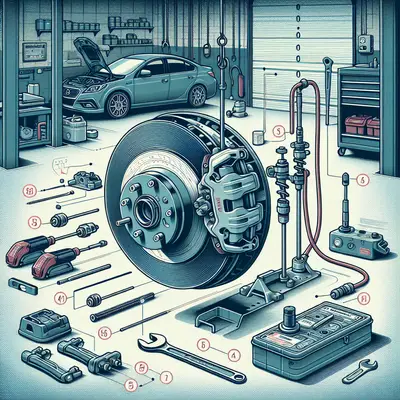
Brakes are often spoken of as if they are singular: “my brakes.” In reality, your stopping power is an orchestra of components—pads, rotors, calipers, brake lines, fluid, and ABS or stability systems—all working together. Treating one component in isolation while ignoring the others is how small issues quietly become critical failures.
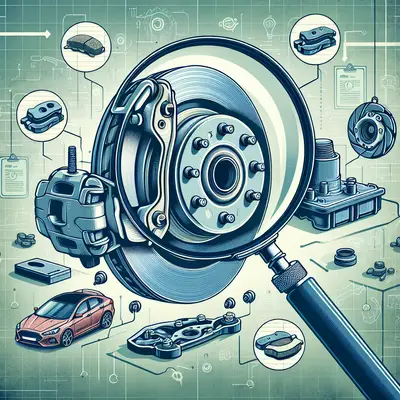
A sophisticated brake maintenance approach begins with system thinking. Worn pads can overheat rotors; neglected fluid can degrade ABS performance; sticky caliper pins can undo the benefits of premium pads and rotors. When scheduling inspections or repairs, insist on a holistic assessment: pad thickness and condition, rotor measurements and surface quality, caliper operation, hose/line integrity, and fluid quality. Viewing your brakes as an integrated safety system rather than a handful of replaceable parts sets the stage for truly elevated care.
Insight 1: Treat Brake Fluid Like a Precision Instrument, Not an Afterthought
Among all consumables on your vehicle, brake fluid may be the most underestimated. It is the medium that converts a measured press of your foot into hydraulic force at the calipers. Over time, brake fluid absorbs moisture from the air, even in a closed system. This water content lowers its boiling point and can introduce internal corrosion—subtle at first, but eventually capable of compromising pedal feel and emergency performance.
Discerning owners do not wait for a soft pedal to appear before addressing their fluid. Instead, they regard fluid replacement as part of a precision schedule, typically every 2–3 years (or as recommended in the owner’s manual), even if the car is infrequently driven. In performance or heavily loaded vehicles, a more frequent interval can be a meaningful safety margin.
Ask your technician for a documented boiling point test or moisture content reading. Clear, light‑colored fluid with a high boiling point is an indication that your braking system’s “nervous system” is prepared for demanding conditions—long downhill descents, sudden evasive maneuvers, or repeated hard stops. In a refined maintenance regime, fluid health is not a guess; it is measured.
Insight 2: Prioritize Rotor Quality and Finish for Quiet, Predictable Stops
Rotors are more than metal discs; they are the stage upon which your brake pads perform. Inferior rotors, or rotors with inconsistent thickness or surface finish, can cause vibration, noise, and uneven wear—issues that erode driver confidence, even if the car technically still “stops.”
A premium brake maintenance strategy looks beyond minimum thickness specifications. It considers:
- Rotor thickness variation (TV): Minute differences in thickness as the rotor rotates can lead to pedal pulsation and steering wheel shake.
- Runout: Even subtle warping or improper mounting can translate into vibrations under braking.
- Surface finish: A clean, properly bedded surface offers a stable friction interface for the pads.
Rather than simply “turning” rotors whenever pads are replaced, a discerning owner discusses measurements: Are the rotors comfortably above minimum thickness? Is runout within a strict tolerance? Would replacement with high‑quality, well‑balanced rotors offer better long‑term refinement and safety than machining worn surfaces thinner? Thoughtful decisions here can significantly reduce noise, enhance smoothness, and maintain consistent braking behavior over time.
Insight 3: Elevate Pad Selection Beyond “Will It Fit?”
Brake pads are often selected on price or simple compatibility, but for a driver invested in brake excellence, that bar is too low. Different pad compounds behave differently in terms of initial bite, noise, dust, fade resistance, and operating temperature. Matching the pad to the vehicle’s role—and your driving style—is a hallmark of refined maintenance.
Urban, stop‑and‑go driving may call for pads that prioritize quiet, progressive engagement and minimal dust. Long‑distance or performance‑oriented driving may benefit from pads that maintain friction at higher temperatures, even if they generate more dust or require a short warm‑up. Importantly, the best pad is not universally the most aggressive—it is the most appropriate.
Discuss pad options in terms of:
- Friction stability across temperature range
- Noise and vibration tendencies
- Rotor friendliness (how aggressively they wear the rotor)
- Dust characteristics and impact on wheels and finish
Once chosen, proper bedding‑in of new pads—using a controlled series of moderate stops to transfer an even layer of pad material onto the rotor surface—is crucial. This quiet, disciplined routine is the difference between a merely new brake job and one that feels deliberately tuned.
Insight 4: Respect the Role of Caliper Hardware and Slide Pins
Calipers may not be glamorous, but they are central to consistent, even braking. A perfectly chosen pad on a perfectly machined rotor cannot deliver its potential if the caliper hardware is neglected. Sticking slide pins, seized guide bolts, or tired hardware can cause one side of a brake assembly to “work harder” than the other, leading to uneven pad wear, pull under braking, and accelerated heat in one area.
Refined maintenance includes a focus on:
- Thorough cleaning and proper lubrication of slide pins with high‑temperature, brake‑specific grease
- Inspection or replacement of abutment clips and shims to maintain correct pad positioning
- Verification of piston movement to ensure no dragging or hesitation in release
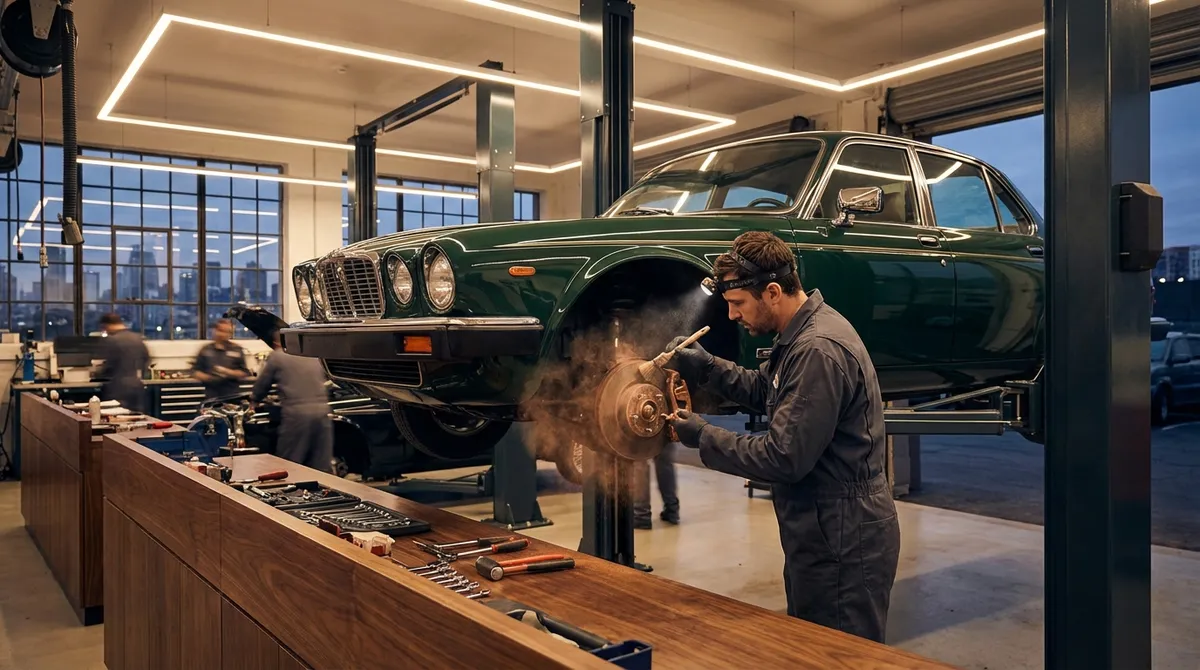
Ask your shop not merely to “check the brakes,” but to document caliper condition and hardware care. This is where attention to detail materially enhances both safety and the long‑term elegance of how your vehicle brakes: linear pedal feel, no pull, no surprise noises, and even pad wear from one service interval to the next.
Insight 5: Allow Your Driving Habits to Support, Not Sabotage, Your Brake System
Brake maintenance does not end when the tools are put away. The way you drive either honors that work—or steadily undoes it. For the careful driver, habit becomes part of the maintenance plan.
Several refined practices significantly extend brake performance and reliability:
- Look further ahead. Anticipating traffic flow allows you to ease off the throttle earlier and brake more progressively, avoiding repeated hard stops that generate unnecessary heat.
- Avoid “left‑foot resting” on the pedal. Even a slight, constant brake application can cause chronic drag, heat buildup, and premature pad and rotor wear.
- Respect cool‑down after demanding braking. After a long descent or spirited drive, allow a short period of easy driving before parking; this helps avoid heat spots from pads resting on very hot rotors.
- Be selective with heavy loads and towing. When towing or carrying full loads, downshifting and engine braking become not just driving techniques but protective strategies for your brake system.
These habits may appear subtle, but over tens of thousands of miles, they are the difference between brakes that always feel composed and brakes that gradually become noisy, inconsistent, or unpredictable.
Making Your Brake Maintenance Standard Match Your Standards as a Driver
Brake maintenance, done at a premium level, is not defined by how often you replace parts but by how deliberately you protect your vehicle’s most important safety system. It is the unhurried decision to test fluid instead of guessing, to measure rotors instead of blindly resurfacing, to choose pads for their behavior rather than their discount, and to insist that caliper hardware receives the same respect as more visible components.
For the driver who values quiet authority on the road, that mindset becomes part of the vehicle’s identity. Every smooth, drama‑free stop—especially the urgent ones you never post about—is a quiet confirmation that your attention to refined details has paid off.
Sources
- National Highway Traffic Safety Administration (NHTSA) – Brake Safety – Federal guidance on brake safety, system components, and defect investigations
- U.S. Department of Transportation – Brake System Inspection Basics (FMCSA) – Technical details on brake inspections and performance considerations
- University of Nebraska – “Principles of Brake Systems” PDF – Educational overview of brake system operation and key components
- Continental – Brake Fluid and Hydraulic Systems Overview – Manufacturer information on brake fluid types, aging, and maintenance intervals
- Brembo – Technical Insights on Brake Discs and Pads – In‑depth discussion of rotor and pad design, performance, and wear behavior
Key Takeaway
The most important thing to remember from this article is that this information can change how you think about Maintenance.